Describe the lineup, not just the breakers
Start with the equipment’s function and overall arrangement as shown in existing records: for example, a lineup described as incoming, feeder, tie or metering sections, if those labels are documented. Record the section count and any stated sequence, but do not infer a function from appearance alone. A breaker inventory is not a complete switchgear description; the assembly may also include bus, instrument compartments and control equipment. Share available drawings or schedules only if authorized, and distinguish documented details from assumptions. That gives a buyer a clearer basis to assess the assembly as a whole.
Use voltage class and ratings precisely
Record the nominal voltage and equipment ratings exactly as they appear on safely accessible exterior nameplates or existing documentation. Keep separate the switchgear assembly rating and any breaker ratings; also distinguish a breaker’s frame rating from its trip rating when those are shown. Do not treat one value as a substitute for another, or assume that similar labels establish compatibility. If a field is unreadable or records disagree, note that uncertainty rather than guessing. A buyer may assess equipment across all voltage classes, but each asset and its documented ratings are reviewed individually.
Decide what belongs in the sale
Define the proposed lot in practical terms: complete lineup, selected sections, spare breakers, or associated control components. If a lineup is being separated from adjacent equipment, identify the intended boundary from drawings or an existing asset list; do not make physical changes to clarify it. Note whether bus connections, transition sections, protective devices or loose spares are included, excluded or simply unverified. A complete assembly may present a different review and logistics question than a partial lineup. Clear inclusion notes prevent a component list from being mistaken for the full scope of the sale.
Report condition as known, not presumed
Share condition information already held by the owner, such as maintenance records, inspection documents, outage history or a recorded defect. Identify the source and date where known, and distinguish a documented observation from an unverified report. Do not energize, open, test or otherwise inspect equipment to answer a buyer’s questions; seller testing is not required. If a condition is unknown, say so. Prior service, stored status or a visual description alone does not establish present operability or suitability. The buyer considers the available information alongside the specific equipment and may make an individual offer.
Provide safe, useful identification material
Useful materials can include an existing single-line diagram, section schedule, breaker list and exterior nameplate information, provided the seller is authorized to share them. Photographs should show only safely accessible exterior nameplates or equipment from an authorized safe position. Never approach, touch, open, operate, test, disconnect or move equipment to obtain a clearer image, including equipment that may be energized. If a label cannot be read from a safe position, report that limitation and provide an existing record instead. Keep identifiers tied to the relevant section where possible, without presenting uncertain matches as confirmed.
Plan handling around the installed arrangement
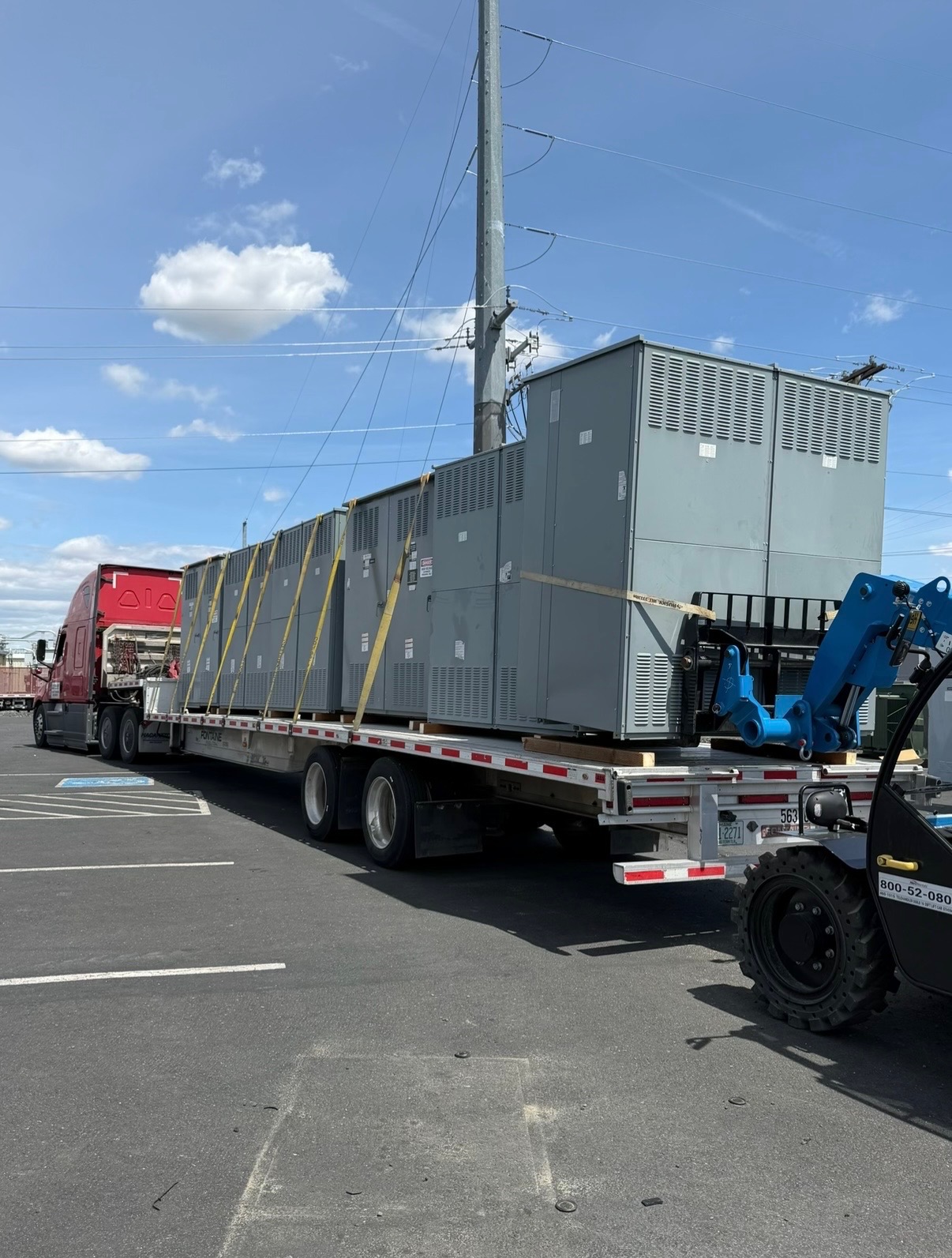
Medium-voltage lineups can involve multiple sections and substantial components, so removal planning depends on the actual configuration, access and site constraints—not section count alone. Share available layout drawings and known access limits, and explain whether equipment remains installed or has already been disconnected by authorized personnel. Electrical work, including disconnection, must be performed by qualified authorized personnel under site rules. The buyer can cover crane, rigging, disconnects, loading, freight and hauling as applicable to an individually assessed transaction; sellers need not arrange crews or prepare equipment. No removal method or schedule should be assumed before review.
Request a review with a clear scope
For an offer review, provide the owner or authorized seller contact, equipment description, section count, documented voltage and ratings, proposed inclusions, known condition and available records. Include whether the equipment is from a decommissioned data center or shut-down power plant when relevant to its history, without implying a particular operating condition. This buyer purchases used, surplus and decommissioned electrical equipment, pays cash upfront when proceeding, and assesses assets and offers individually; acceptance, price and timing are not guaranteed. A precise description helps distinguish a complete lineup from selected components and supports a more informed next discussion.