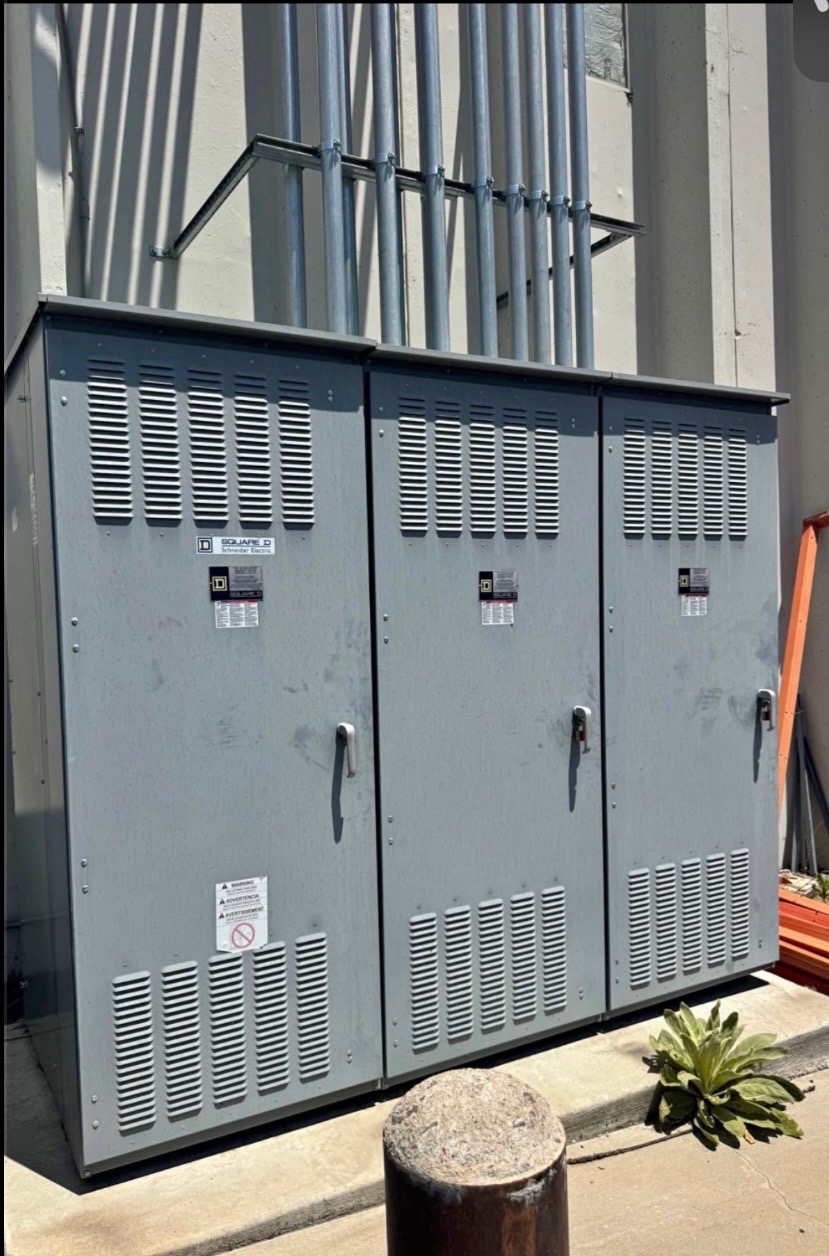
Separate the transfer assembly from the generator
Start with the sale boundary, not an assumption that the switchgear and generator form one package. Identify the transfer-switch assembly, associated controls or accessories, and the generator as separate items in the disposition documents. Note whether the generator is expressly excluded, retained by another owner, or subject to a separate agreement; avoid implying that its condition or availability is part of the switchgear offer. Existing schedules, asset lists and marked-up building plans can help clarify scope. A buyer may assess the transfer assembly on its own, but acceptance depends on the individual review. If ownership or boundary lines remain unclear, resolve them with the responsible property representative before release.
Clarify controls, ownership and release authority
Transfer equipment can have related control components, wiring interfaces or remote-control items that are not obvious from a brief asset description. Use available purchase records, maintenance files, control-panel schedules and disposition exhibits to identify what the seller owns and may release. Do not assume a control belongs with the switchgear merely because it is nearby, or that it is included because it appears on a drawing. List known exclusions, retained components and any third-party interests. Where control ownership is uncertain, ask the asset owner or authorized representative to settle the question through records. The buyer can evaluate the stated scope, but cannot establish the seller’s title or authorize release on the seller’s behalf.
Use records without creating new test work
Useful records may include an asset tag, prior invoices, available one-line drawings, service documents and the existing equipment schedule. If records state ratings, preserve their labels: nominal system voltage, assembly voltage, continuous-current rating, device frame, trip setting or rating, and interrupting rating are distinct values. Do not fill gaps by inference or treat one rating as a substitute for another. No seller testing, measurements, energized checks or fabrication are needed to request a purchase assessment. Photos may show only safely accessible exterior surfaces and exterior nameplates, taken from positions permitted by site rules. Never open a cabinet or take interior images; if access is not clearly safe, rely on existing documentation instead.
Describe condition as known, not presumed
A transfer-switch assembly’s presence in a building record does not establish that it is operational, complete or compatible with a generator. Describe only what the seller already knows, such as an existing status notation, known missing items or an unresolved condition. Do not ask staff to operate the assembly or investigate inside it to improve a listing. Treat unknown operating condition as unknown, and keep any condition statement separate from recorded ratings and ownership. The buyer considers the information available for that particular offer; neither an assessment request nor an offer guarantees acceptance or a particular value. This approach is especially useful when the generator is excluded and no functional relationship can be verified.
Agree the boundary and removal plan before release
For an agreed purchase, the buyer covers the necessary crane, rigging, disconnect work, loading, freight and hauling identified for that purchase. The seller does not need to hire or pay a removal crew. Before scheduling, both parties should confirm the included assets, exclusions, access authorization, site contacts and handover timing in writing. Electrical tasks must be handled only by qualified personnel authorized for the work and operating under the site’s safety rules. No one should approach, touch, open, operate, test, disconnect, remove or move equipment that is energized or may be energized. If safe work status or access is uncertain, leave the equipment undisturbed and have the site’s authorized personnel determine the permitted next step.
Request an offer with a clear scope
Send the buyer the location in Marietta, a concise description of the transfer assembly, the generator’s explicit exclusion, known ownership details and any available records. Safe exterior photos or exterior nameplate images can supplement that information, but they are not a substitute for site authorization. The buyer makes cash offers and pays upfront for agreed purchases; payment terms and timing are confirmed for each accepted agreement, with no guaranteed price or schedule. Purchases span all voltage classes and may include equipment from decommissioned data centers and shut-down power plants. A buyer may decline an asset or revise an assessment if scope or release rights remain unresolved. Do not represent unrelated demolition or hazardous-material cleanup as part of the purchase.