Start with a count from the records
For busway, make an inventory from available schedules, drawings, removal records or earlier asset lists—not by handling installed equipment. Separate recorded straight sections from elbows and plug-in units, and note any items labeled as spares, transitions or unknown. Quantities that cannot be confirmed should remain estimates, not be presented as verified counts. A short list of unresolved parts is useful because mixed lots may need individual review. Do not infer that visually similar sections connect or are interchangeable; the buyer evaluates the described items and records rather than assuming a system configuration.
Preserve exact Square D markings
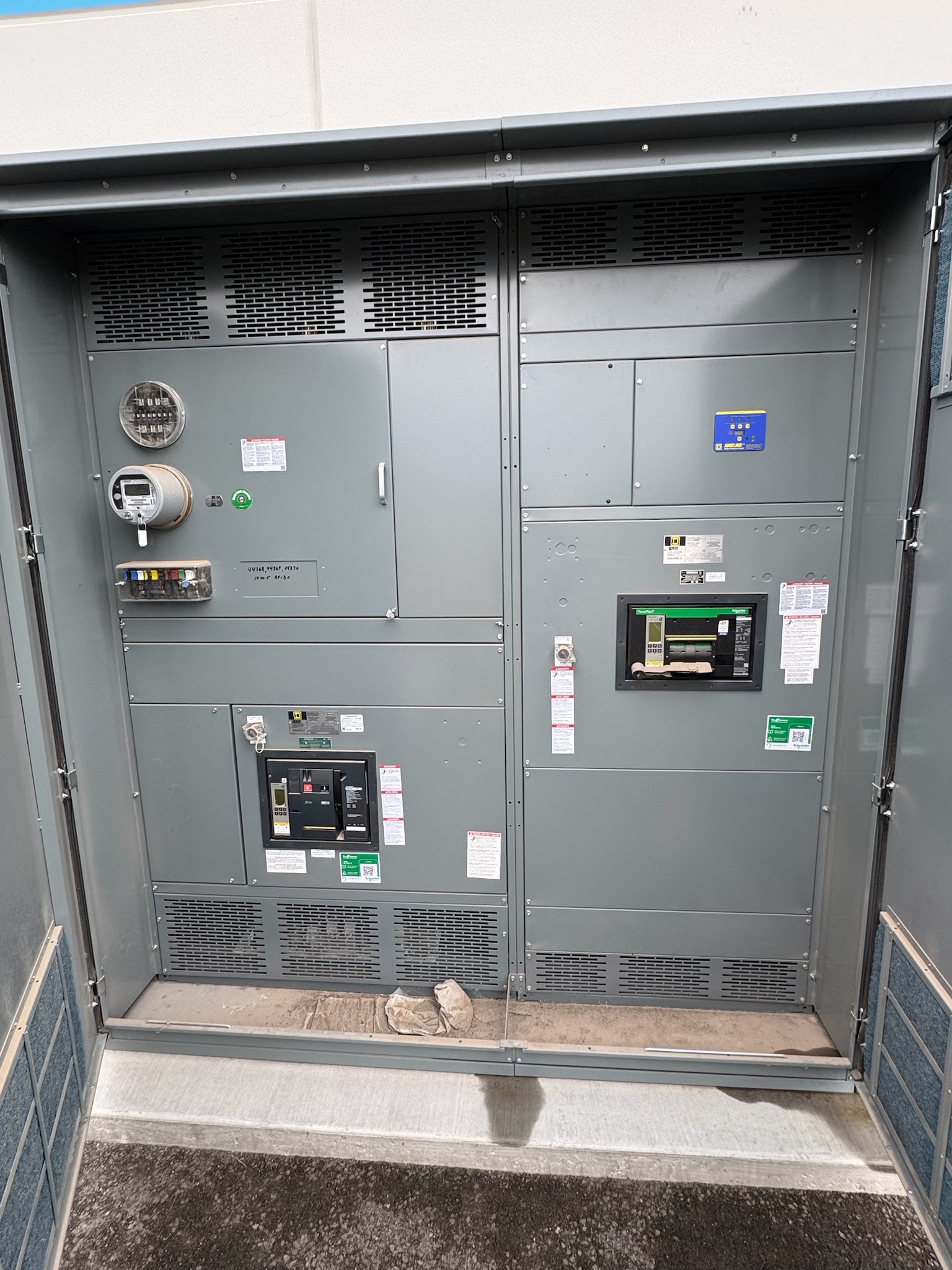
Transcribe the wording and numbers exactly as they appear in existing records or on an exterior label that is safely accessible. Keep punctuation, abbreviations and distinctions between labels; do not expand an unclear code by guessing. If site rules authorize photography and the position is safe, exterior equipment surfaces and exterior nameplates may be photographed. Never open a cabinet or take interior images. A Square D marking identifies what is marked, but does not by itself establish manufacturer affiliation, product origin, a product line, technical characteristics or compatibility with other equipment.
Report ratings only when documented
Include rating information only when supported by records already in hand, and preserve what each number describes. Nominal system voltage is not the same as assembly or equipment voltage. Continuous current, device frame, trip setting or rating, and interrupting rating are separate values and should not be substituted for one another. If a record is incomplete, ambiguous or appears to describe a different component, flag it rather than resolving the discrepancy yourself. A buyer can assess what the documentation supports and identify what remains uncertain; sellers are not asked to measure, test or fabricate missing data.
Set out the lot and its limits
Describe whether the proposed purchase is a complete documented group, selected busway components or a mixed electrical-equipment lot. List known exclusions, such as items retained by the owner, unlisted accessories or equipment outside the agreed scope. Mark duplicate records and uncertain quantities so they are not mistaken for additional assets. The buyer considers each item and proposed group individually; an inquiry does not guarantee acceptance or a particular value. This independent buyer considers used, surplus and decommissioned electrical equipment across all voltage classes, including equipment from decommissioned data centers and shut-down power plants.
Share records without testing equipment
Useful material can include existing inventories, schedules, drawings, prior work records and safely available exterior-label details. Identify the site contact, access constraints, equipment status as documented, and any known ownership or removal restrictions. No seller testing is required, and the seller need not take measurements, stage equipment or prepare it for pickup. Do not approach, touch, operate, open, test, disconnect, remove or move equipment that is energized or may still be energized. Any electrical work must be handled by qualified, authorized personnel following the site’s procedures and access controls.
Agree on handover and payment
For an agreed purchase, the buyer makes a cash offer and pays upfront under the purchase arrangement. If removal is part of that agreement, the buyer covers necessary crane, rigging, disconnects, loading, freight and hauling. The seller does not have to hire or pay a crew for that work. Coordinate access, sequencing and site permissions before a handover; the buyer’s removal scope does not extend automatically to demolition or hazardous-material remediation. Each offer and acceptance is assessed individually, so neither a price nor a schedule is guaranteed before the specific terms are agreed.
Keep the site handover controlled
Before any agreed collection, confirm the included items, responsible site contacts, authorized work boundaries and any required permits or escorts. Keep operating equipment and excluded assets outside the removal scope. Sellers should not make equipment safe or prepare it for lifting themselves; qualified personnel and the agreed removal team must follow site rules. For initial review, share records and only exterior photographs taken from a site-authorized safe position. If safe access to an exterior label is unavailable, use the records already on file and state that the label could not be verified rather than approaching the equipment.