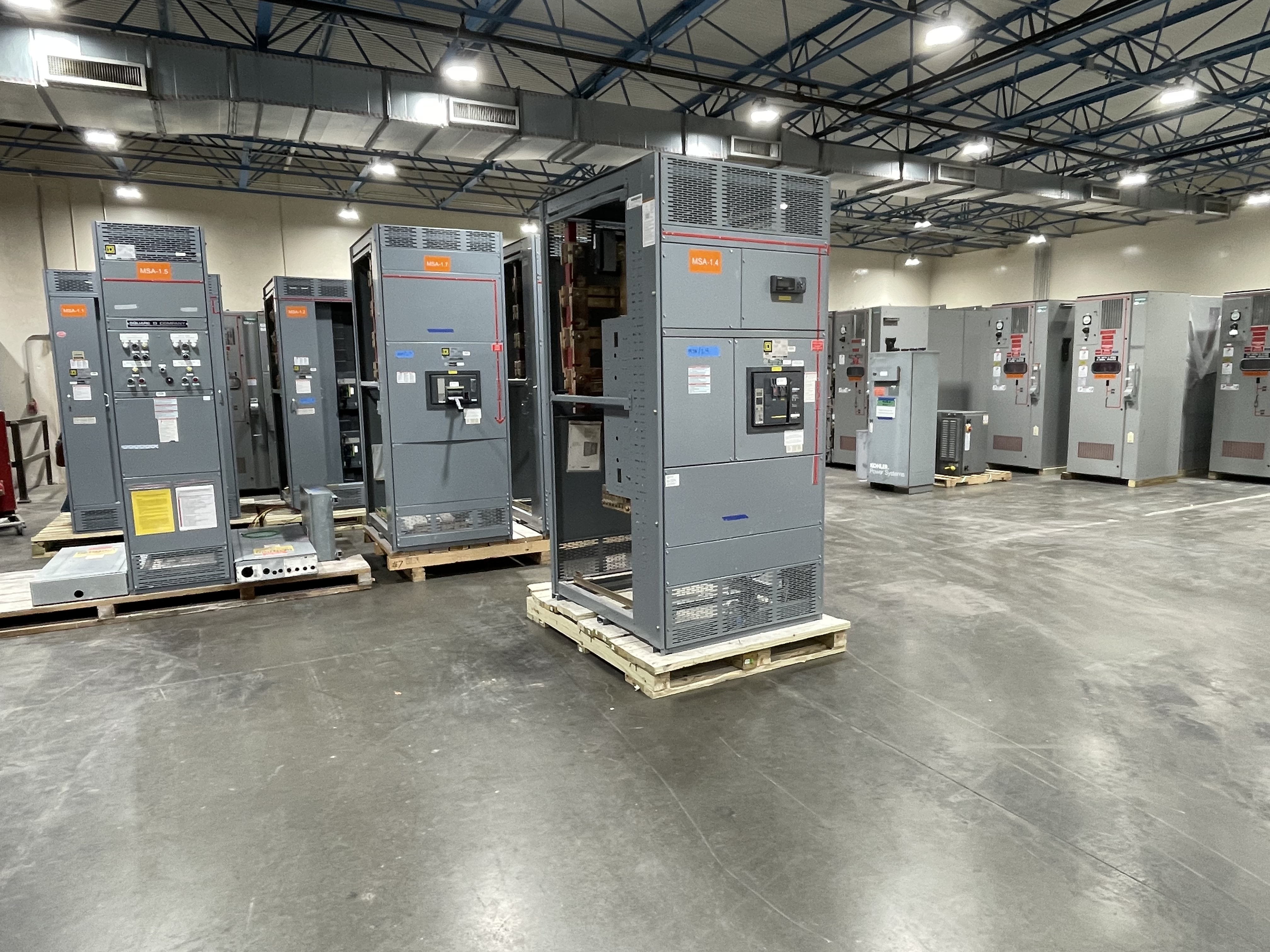
Separate tenant assets from shared distribution
If a tenant is vacating space, its records may identify equipment it purchased or installed, but location alone does not establish ownership. A panel serving only the tenant’s suite may still belong to the property owner under the lease or improvement agreement. Conversely, a tenant-owned assembly may connect to common building distribution. Compare purchase records, lease terms, asset registers and landlord approvals; do not infer ownership from labels or who paid a service invoice. Ask who has authority to sell each item and record that answer before preparing an offer request.
Define sale boundaries in writing
Build an inclusions-and-exclusions list that identifies equipment by visible label, room or other safe location reference, and quantity where known. For example, include a tenant-owned switchboard assembly while excluding the upstream service equipment and any shared feeder serving neighboring suites. List uncertain items separately as “ownership to confirm,” rather than treating them as included by default. Have the property owner and tenant review the same version, then retain written approval and note any lease or sale conditions. Clear boundaries help avoid confusion about what may be collected and what must remain in service.
Distinguish an assembly from its components
A listed asset may be a complete switchgear or switchboard assembly, an individual breaker, a bus section, or another component; those are not interchangeable descriptions. A breaker’s frame, trip unit and ratings also describe different attributes, and a label on one part does not establish the characteristics of the full assembly. Use existing records and safely accessible exterior nameplate photographs to describe what is offered, without opening covers or approaching energized gear. If a photograph cannot be taken from an authorized safe position, provide available documentation instead. Accurate identification supports individual assessment without guessing.
Resolve consent before arranging removal
Removal planning should wait until the seller’s authority and the property owner’s requirements are clear. If an asset connects to common distribution or occupies shared electrical space, ask who can authorize its disconnection and what site approvals apply. Electrical work must be performed by qualified, authorized personnel under site rules; the seller need not perform it or hire a crew as a condition of requesting consideration. Confirm whether the owner requires notice, escort, shutdown coordination or a specific access window, and document responsibility for approvals. Do not treat a tenant’s move-out date as permission to remove building equipment.
Describe condition without seller testing
Do not energize, open, test, disconnect or move equipment to establish its condition. No seller testing or seller preparation is required. Instead, share available maintenance records, prior service information and exterior nameplate details that can be obtained safely from an authorized position. Note known gaps plainly: a missing record or unverified operating status is not a reason to invent a conclusion. If multiple tenants have used shared equipment, distinguish documented history from assumptions about which space it served. The buyer assesses assets and any offer individually; neither acceptance nor a particular price or outcome is assured.
Coordinate scope, access and logistics
After ownership and boundaries are settled, identify practical access constraints: door clearances, loading areas, site rules and whether a lift plan or other coordination may be needed. Do not measure by approaching or handling energized gear; rely on existing drawings, records or observations made from authorized safe positions. The buyer covers crane, rigging, disconnects, loading, freight and hauling when arranging applicable work, subject to individual assessment and site coordination. Clarify which rooms and assets are in scope so shared areas and excluded equipment remain undisturbed. Do not assume unrelated demolition or hazardous-material work is included.
Request an offer with a complete, bounded inventory
Submit the approved inclusions and exclusions, ownership or sale-authority confirmation, available records, and safe exterior identification information for review. State which items are tenant-owned, which are owner-controlled, and which remain unresolved; hold unresolved items out of the proposed sale until authority is established. The buyer purchases used, surplus and decommissioned electrical equipment, including assets from decommissioned data centers and shut-down power plants, and considers all voltage classes individually—not as a promise to accept every item. Offers are cash and paid upfront when agreed, with no seller testing required. Keep payment, scope and access terms documented before any authorized removal begins.