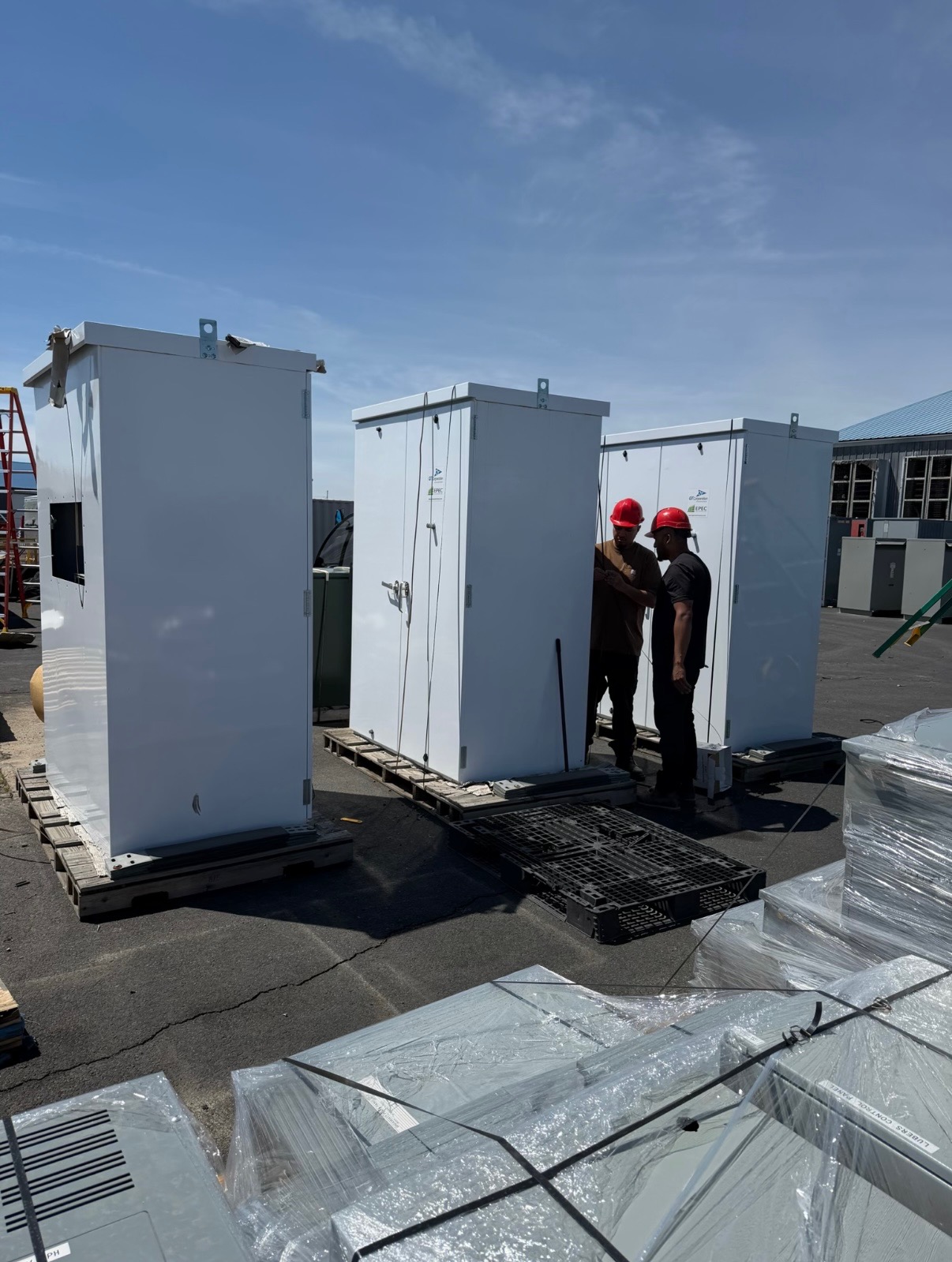
Separate the offer groups, not the equipment
Describe boxed breakers as loose inventory and identify installed breakers as part of the assembly that contains them. If you want both considered, request separate assessments for the assembly and boxed items; do not remove devices to create a loose-breaker lot. Keeping the installed equipment in place avoids extra handling and preserves the assembly context. Tell us whether the assembly is complete, partial, or being considered with other equipment, but do not make a physical inspection to answer. Acceptance and pricing are determined individually, and listing items separately does not guarantee that either group will be purchased. Your request can rely on existing records and safe exterior information.
Use records to distinguish breaker ratings
For each group, share available inventory lists, drawings, prior purchase records or maintenance documents. Report values only as the records label them: nominal system voltage, assembly voltage, continuous current, device frame, trip rating and interrupting rating are different details, not interchangeable descriptions. A rating recorded for the assembly does not establish every installed breaker's rating. If records are incomplete or conflict, identify the uncertainty rather than infer a value from appearance or a nearby label. Manufacturer and catalog information can help identify an item, but does not by itself prove condition, compatibility or suitability. No testing or new measurements by the seller are required to request an assessment.
Share exterior information from a safe position
Photos are optional and should show only equipment exteriors or exterior labels and nameplates, taken from a position permitted by the site. Do not open a cabinet, remove a cover, reach inside, or take interior photographs. Never approach, touch, open, operate, test, disconnect, extract or move a breaker or assembly that is energized or may still be energized. Follow the facility’s access controls and instructions. Any electrical isolation or other electrical work must be performed only by qualified, authorized personnel in accordance with site rules. If a safe view is unavailable, use existing documentation or omit the image; a seller need not stage equipment for photographs.
Explain condition without creating a new inspection
Useful context may include whether boxed items are documented as unused, whether packaging is damaged, and whether installed devices are listed in an equipment schedule. State what is known and what is not: a record may establish identity without confirming present condition. Do not operate breakers, remove them for inspection, or ask staff to conduct tests for a quote. Note known exclusions, such as items not included in the offered group, and disclose access limits or incomplete records. We may request clarification before deciding whether to make an offer. A cash offer and upfront payment apply to an agreed purchase, not to every item submitted for review or to an unaccepted estimate.
Plan removal around the agreed scope
Before accepting, establish which assembly and loose items are included, who can authorize access, and what site restrictions govern the work. For an agreed purchase, the buyer covers the necessary crane, rigging, disconnect work, loading, freight and hauling. The seller is not expected to hire a removal crew or pay one. Electrical disconnects and related electrical work remain subject to site authorization and must be handled by qualified personnel under site rules; no one should disturb potentially energized equipment. The agreed scope does not include general demolition or hazardous-material remediation. Timing depends on the specific purchase and site arrangements, so neither an offer nor a removal date is guaranteed.
Request a Snellville-area assessment
Send the approximate location, a description of the assembly and boxed-breaker groups, available records, known exclusions and any access constraints. Include exterior-only images only when they can be taken safely and with site permission. We consider used, surplus and decommissioned circuit breakers across all voltage classes, but each asset and proposed handover is assessed individually. Equipment offered from a decommissioned data center or a shut-down power plant can be presented in the same way; those examples do not imply a particular facility or a guaranteed purchase. If terms are agreed, payment is made upfront for that purchase. No seller testing, staging, extraction or preparation is needed to request consideration.