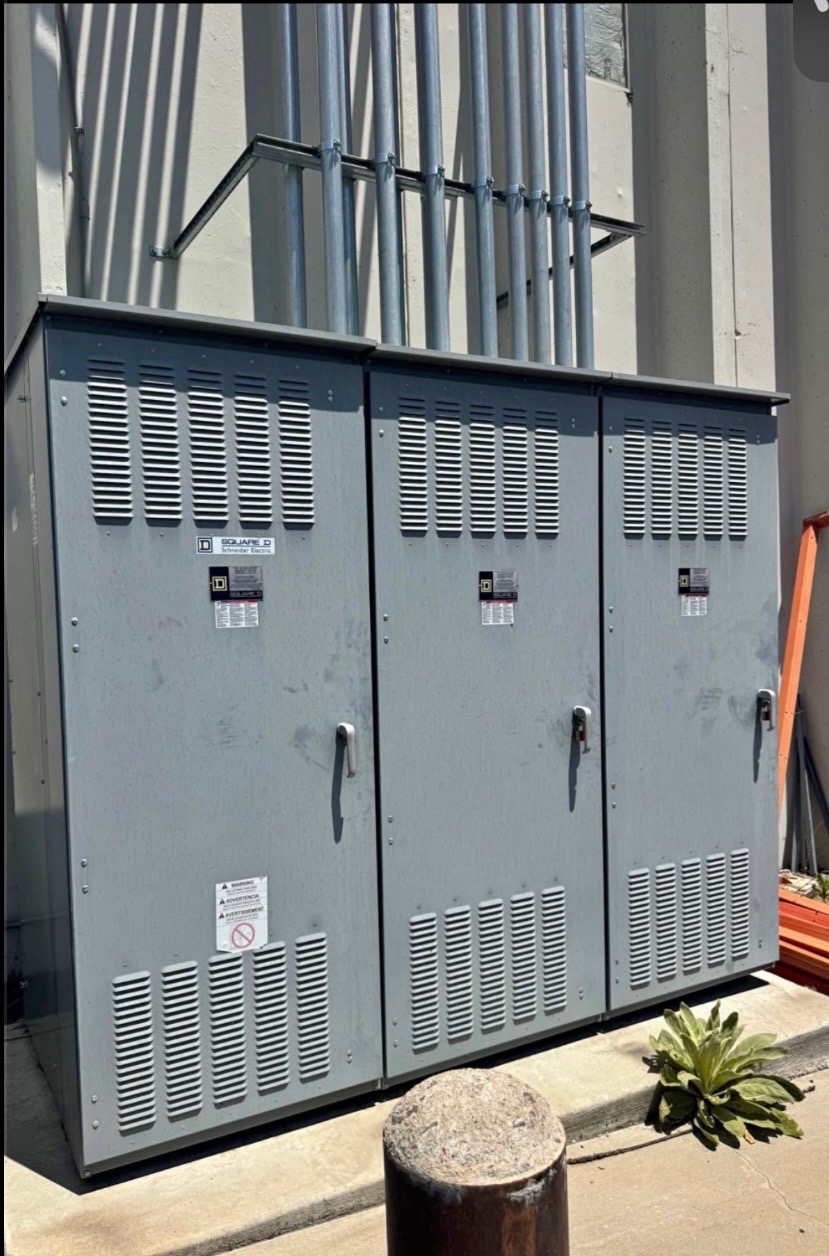
Describe the lineup without disturbing it
For a preliminary review, identify the lineup’s general location, cabinet count, visible section arrangement and which breaker positions are believed to be vacant or incomplete. Separate direct observations from assumptions: a missing device noted in an existing inventory is different from a position that merely appears unused from outside. Do not open doors, reach into a compartment, or extract installed breakers to confirm completeness. Never approach, touch, open, operate, test, disconnect, remove or move equipment that is energized or may still be energized. Any electrical inspection or work must be handled by qualified, authorized personnel following the facility’s safety procedures. No seller testing is required to request a purchase assessment.
Document completeness using records
Existing asset registers, one-line drawings, panel schedules, prior decommissioning inventories and maintenance records can help explain what the lineup includes. Note which sections have known installed breakers, which positions are reported empty, and where the records leave uncertainty. A vacant position may affect the scope or value of a potential purchase, but it does not by itself establish that a lineup is complete, compatible with another assembly or ready for reuse. Avoid treating a missing record as proof of a missing component. If staff have already recorded device identification, share that information as documented; do not create new observations by opening a cabinet or handling equipment.
Keep electrical ratings distinct
Share rating information only when it appears in existing, legible records or on exterior nameplates photographed from a site-authorized safe position. Keep nominal system voltage separate from assembly voltage, and report continuous current independently from breaker frame, trip and interrupting ratings. These values describe different attributes and are not interchangeable. A lineup’s value or suitability cannot be inferred from one rating alone, and a breaker’s presence does not establish compatibility with a particular position. If a rating is unreadable or undocumented, mark it unknown rather than estimating it. A review can proceed without seller measurements or testing; the buyer assesses the available information and the particular equipment offered.
Share safe exterior information
Useful images are limited to safely accessible equipment exteriors and exterior labels or nameplates, taken only from positions authorized under site rules. Keep cabinet doors closed; do not photograph interiors, even if a position is believed to be empty. If photography would require approaching a hazard, entering a restricted area or changing the equipment’s condition, skip it. A written note can identify where information is missing. Provide records through an approved channel and avoid including sensitive site-security details unnecessarily. Photographs and documents support a preliminary assessment, but they do not replace an on-site safety review or guarantee that the buyer will accept any particular section or lineup.
Set clear purchase and removal terms
When an assessment supports a purchase, the buyer makes a cash offer and pays upfront for the agreed purchase under its terms. Each offer and acceptance is evaluated individually, so neither a price nor a schedule is guaranteed. For an agreed purchase, the buyer covers necessary crane and rigging work, disconnects, loading, freight and hauling as arranged for the handover. The seller is not expected to hire or pay a crew for that removal. Before work begins, the parties should coordinate access, authorization, work boundaries and timing with the facility. Electrical tasks remain the responsibility of qualified, authorized personnel working under site rules; the purchase arrangement does not authorize unsafe work.
Coordinate a safe handover in Milton
Metal-clad switchgear may be considered from any voltage class, including surplus assets associated with decommissioned data centers or shut-down power plants; location alone does not establish suitability or value. For a Milton-area handover, confirm who controls site access, which safety requirements govern contractor entry, and how the facility will authorize any necessary electrical work. Do not move equipment to make it easier to inspect or collect. The agreed scope should identify the assets being purchased and the planned removal responsibilities. A purchase review does not include unrelated building demolition or hazardous-material remediation, and no particular asset is accepted until the buyer and seller agree on its terms.