Define the sale boundary before pricing
For a partial lineup, identify the proposed sale by section, cubicle or other existing site designation, and distinguish it from sections that remain in use. A one-line diagram, lineup schedule or equipment list may help clarify the boundary, but it should be treated as a reference rather than proof of present condition or isolation. Note any shared structures, bus arrangements or control relationships shown in records as unresolved questions for site engineering. The buyer assesses only the equipment offered; acceptance of particular sections is not guaranteed, and a clear boundary helps avoid assuming adjoining operating gear is included.
Separate equipment identity from ratings
Metal-clad switchgear descriptions can combine several different ratings and identifiers. If available, share existing nameplate records for nominal system voltage, assembly voltage and continuous current separately from breaker device frame, trip and interrupting ratings. Do not infer one value from another or from a lineup label. Manufacturer, catalog or section identifiers may assist identification, but do not establish compatibility, condition or completeness. Missing or conflicting records can remain unknown during an initial review; do not create, measure or verify data for the buyer. A purchase assessment can proceed from available documentation, subject to individual review and any agreed scope.
Use records already held by the site
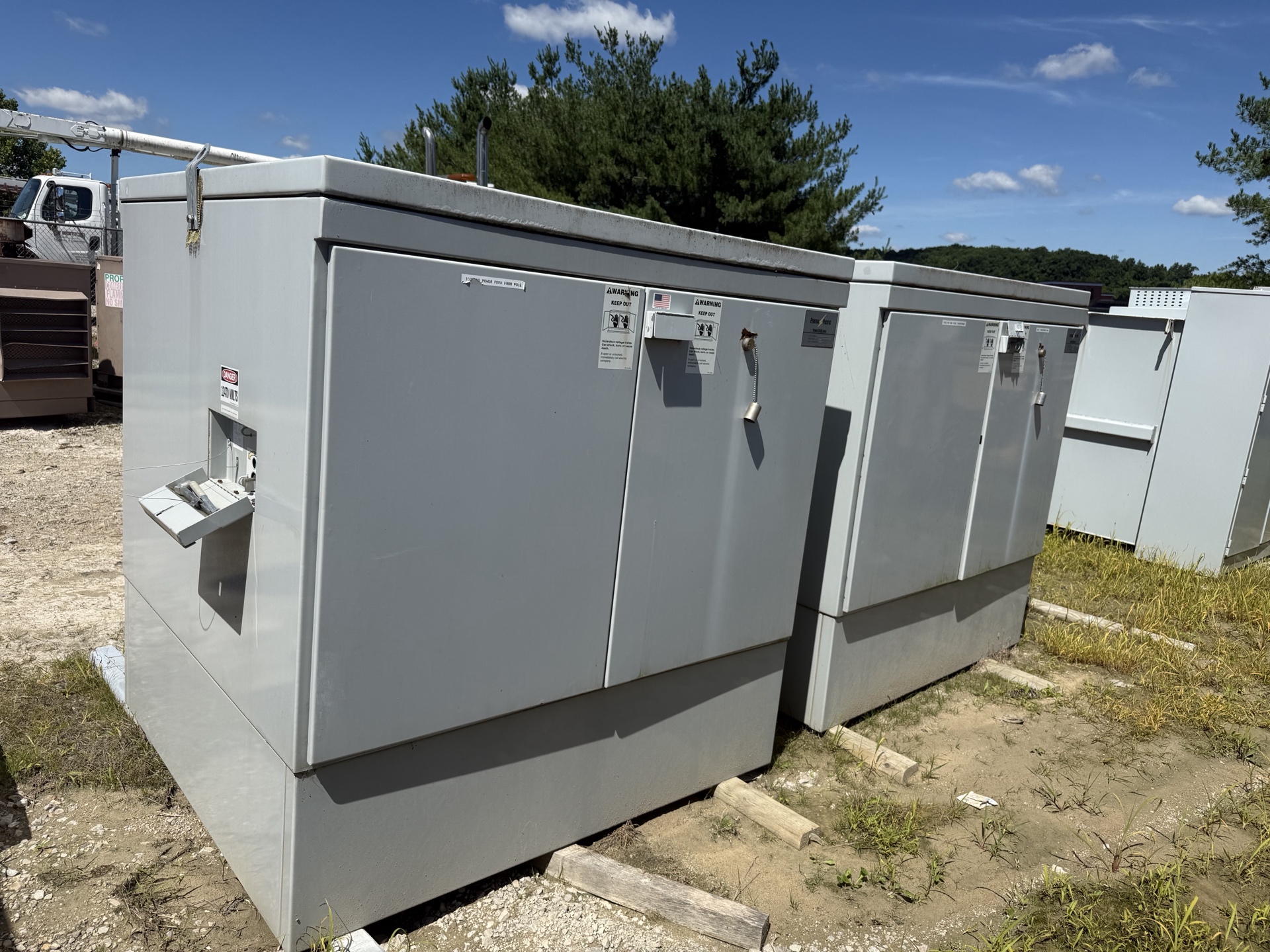
Useful existing material may include equipment schedules, drawings, prior inventory sheets, decommissioning records and exterior nameplate details. Share only records the site authorizes for disclosure, and flag revisions or uncertain associations between paperwork and sections. If photographs are permitted, take them only from site-authorized safe positions and only of safely accessible equipment exteriors and exterior labels or nameplates. Never open a cabinet or photograph internal components. No seller testing is required to request an assessment. Records and photographs inform discussion; they do not replace site-controlled electrical procedures or establish that equipment is safe to handle.
Keep electrical release under site control
A proposed sale does not authorize electrical work or establish that equipment is de-energized. Never approach, touch, open, operate, test, disconnect, remove or move equipment that is energized or potentially energized. Any electrical work, including isolation and release, must be performed only by qualified, authorized personnel under applicable site rules. The site determines whether and when equipment can be released, what boundaries apply, and who may enter controlled areas. The buyer coordinates handover only after an agreed purchase and site authorization; a commercial offer is not a substitute for a site safety clearance.
Account for lineup dependencies and exclusions
Before agreeing scope, clarify whether the offered portion includes breakers, instrument compartments, control components or other items listed in existing inventories, without asking the seller to remove anything for inspection. Shared structures, adjacent sections, site wiring and systems that remain in service should be expressly identified as included, excluded or unresolved. If a component’s ownership or boundary is unclear, leave it out of the assumed scope until the parties resolve it. The buyer does not undertake unrelated demolition or hazardous-material remediation. An assessment may identify questions that affect whether a proposed purchase is workable, not promise acceptance of every listed item.
Arrange removal only after agreement
For an agreed purchase, the buyer covers necessary crane, rigging, disconnects, loading, freight and hauling as part of the agreed handover plan. The seller does not hire or pay a removal crew. Timing, access, route, lift planning and work sequence must be coordinated with the site and its authorized personnel, especially where adjoining sections remain operational. Do not stage, lift, move or prepare equipment for collection unless the site has authorized the work and the responsible qualified personnel control it. Scope and logistics are individually assessed; neither acceptance nor a particular removal date is guaranteed.
Request a review without preparing equipment
Send the available equipment description, proposed section boundary, existing records and any permitted exterior-only photographs for review. The independent buyer considers used, surplus and decommissioned metal-clad switchgear across all voltage classes, including equipment from decommissioned data centers and shut-down power plants. Cash offers are made for individually assessed purchases, and payment is made upfront for an agreed purchase. No seller testing or special preparation is required. If the scope and handover terms are accepted by both parties, the buyer and site can coordinate authorized release and collection; no price or timing is guaranteed.