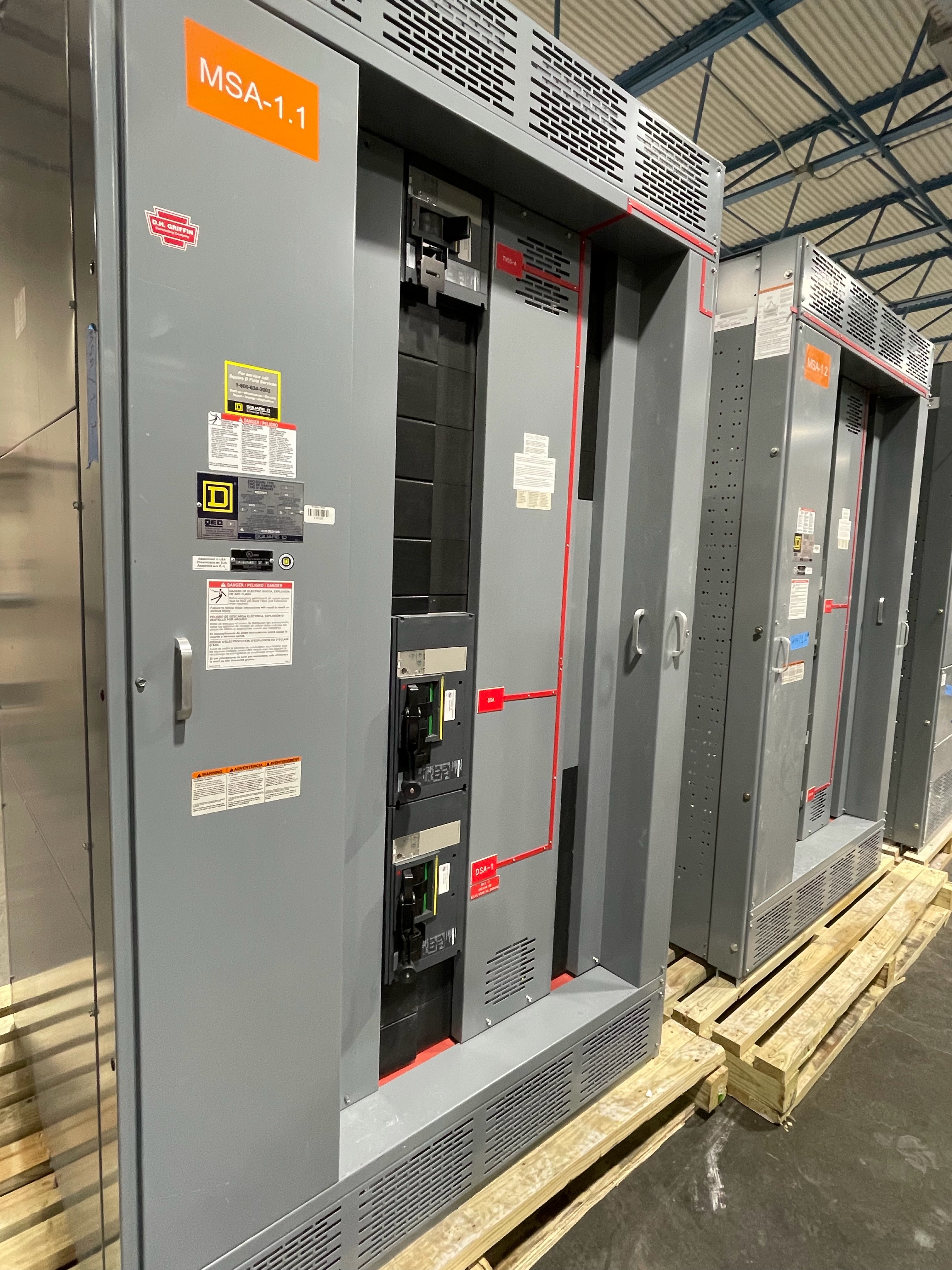
Start with the equipment’s status
Pad-mounted switchgear may remain part of an operating site’s electrical system even when an owner considers it surplus. Before discussing a sale, the site’s authorized representative should establish whether the equipment is retired and whether access can be considered under site procedures. Do not approach, touch, open, operate, test, disconnect, remove, or move gear that is energized or could still be energized. Electrical work, where authorized and necessary for the agreed handover, belongs only to qualified personnel approved under the site’s rules. A purchase assessment does not authorize work or guarantee acceptance.
Use existing records, not seller testing
Useful starting material may include inventory descriptions, available drawings, maintenance or decommissioning records, and photographs made from an authorized safe position. Photos should show only accessible enclosure exteriors and exterior nameplates or labels; never open a cabinet or photograph its interior. No seller testing, measurements, or special preparation are required to request an assessment. If records do not establish the equipment’s configuration or condition, identify that as unknown rather than guessing. A buyer can review what is available and decide whether there is enough information to make an offer.
Keep ratings distinct
Labels and records may state several different ratings, and they should not be treated as interchangeable. If documented, identify nominal system voltage separately from assembly voltage and continuous-current rating; device frame, trip, and interrupting ratings are separate details as well. Do not infer one value from another, or conclude that a component is compatible based on a shared number. Transcribe existing records accurately and flag illegible or missing information. The buyer can assess the available documentation without asking the seller to expose internal parts, take measurements, or verify ratings in the field.
Plan fenced-compound access early
For an outdoor enclosure behind a controlled gate, clarify who can authorize entry, whether an escort is required, and how a vehicle may approach without blocking site operations. Agree on an access window and route with the site contact; preserve emergency lanes, restricted areas, and any required separation from active equipment. Do not assume a truck or lifting equipment can pass through a gate or reach the enclosure. The buyer and seller can settle practical access details after a purchase is agreed, using site rules and a safe, authorized plan rather than improvising on arrival.
Agree on removal responsibilities
For an agreed purchase, the buyer covers necessary crane or rigging support, authorized disconnect work, loading, freight, and hauling. The seller is not expected to hire or pay a crew for that removal. These arrangements must be defined for the specific site and asset; they do not include unrelated demolition or hazardous-material remediation. Any electrical isolation or disconnect work must be performed by qualified, authorized personnel in accordance with site procedures. If access restrictions, equipment condition, or required services change the plan, the parties should resolve that before scheduling work.
Review the offer and handover terms
Each asset and proposed transaction is assessed individually, so neither a particular offer nor a removal date is guaranteed. A cash offer can be made when the buyer has reviewed enough information; for an agreed purchase, payment is made upfront under the accepted terms. Confirm what equipment is included, who can authorize its release, the approved access arrangements, and the planned handover sequence. Do not treat an initial discussion as acceptance. A clear written agreement helps avoid confusion about payment, scope, access, and responsibilities before any authorized site work begins.
Request an assessment without preparing the gear
Share the location in Smyrna, a basic description of the pad-mounted switchgear, any existing records, and whether the site has a controlled gate or escort process. Include exterior photographs only when the equipment is safely accessible and the site authorizes photography; capture no interior views and do not approach potentially energized equipment to get a better image. Missing details can simply be noted. There is no need to test, stage, or move the equipment for review. The buyer can determine whether to proceed, then coordinate any agreed handover within the site’s safety and access requirements.