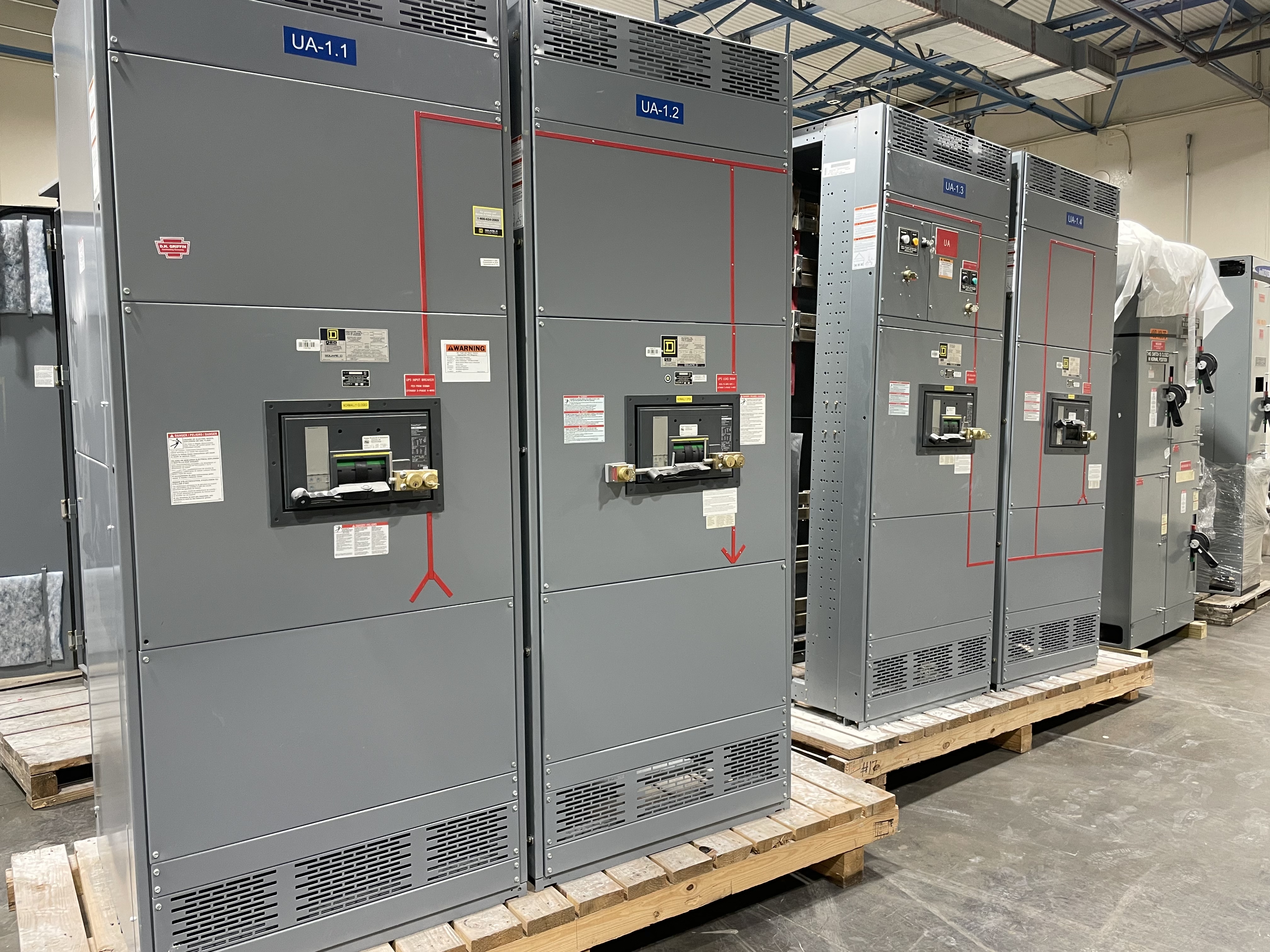
Identify the lineup and its boundaries
Start with a written inventory of the outdoor lineup as it stands: enclosure sections, visible nameplates, attached control or auxiliary cabinets, and any separately stored components believed to belong with it. Record manufacturer, catalog or type designation, serial number, and ratings only when legible from an authorized, safely accessible position. Do not infer that a nearby cabinet or loose breaker is part of the lineup merely because it is close by. A site drawing, existing asset register, or prior equipment record may clarify boundaries. Distinguish confirmed identification from assumptions so the review can account for uncertainty.
Decide what is included in the offer
Specify whether the proposed sale includes the complete outdoor assembly, selected sections, breakers, spare parts, or control cabinets. A breaker’s identification is not a substitute for identifying the assembly it came from; likewise, note frame and trip information separately when those details are available in existing records. If loose parts have been separated, list them individually and state whether their association with a section is confirmed. This prevents an offer review from treating a partial lineup as complete. The buyer considers assets individually, so a clear scope is more useful than a broad label such as “switchgear.”
Document weather exposure and known condition
Describe observed exterior condition without opening, touching, or approaching equipment to investigate it. For example, existing records might note a damaged-looking door, visible corrosion, faded identification, water staining, or missing exterior hardware; report these as observations, not as diagnoses. State whether the enclosure has been outdoors, how long that is known, and whether any cover or shelter was present, if those facts are documented. Separate firsthand observations from maintenance-history entries and unknowns. Weather exposure alone does not establish internal condition, and no seller testing is required. Review can proceed using available information without asserting unverified functionality.
Use photographs only from safe positions
Photos can help distinguish sections and document visible exterior details, but take them only from an authorized safe position where the equipment is safely accessible. Do not move barriers, enter restricted areas, open doors, or get closer to improve a picture. Useful images may include the exterior lineup, visible nameplates, and the surrounding access route, provided each can be captured safely under site rules. If a label cannot be read safely, transcribe what existing records show or mark it unknown. Avoid presenting a close-up as proof of condition beyond what it actually shows.
Describe access before planning removal
Outdoor placement does not by itself establish that equipment is easy to remove or load. Note the route from the lineup to a potential loading area, gate or doorway constraints, overhead or ground-level obstructions visible from authorized positions, surface conditions, and any known vehicle or lifting restrictions. Identify whether the lineup is elevated, behind a fence, or positioned where turning space may be limited, if known. Do not estimate lift weights or prescribe a removal method without reliable information and qualified review. These details help assess whether crane and rigging arrangements may be needed, and what site coordination to discuss.
Coordinate electrical work and handling responsibilities
Clarify who controls site access, what approvals apply, and who is authorized to perform electrical work. Disconnects and other electrical work must be performed by qualified, authorized personnel under site rules; sellers should not disconnect, remove, or handle equipment. If the buyer proceeds, buyer-paid crane, rigging, disconnects, loading, freight, and hauling can be included in the handling discussion, with arrangements assessed for the specific asset and site. Share known scheduling or access restrictions without promising a removal date. A site contact can help coordinate permissions and explain constraints without taking on unapproved work.
Prepare a grounded sale review
For an initial review, provide the inventory, safely obtained exterior identification, documented condition, inclusion list, ownership or authority to sell, and access information. Include whether the equipment came from a decommissioned data center or shut-down power plant when that is accurate and relevant to its history. The buyer considers equipment across all voltage classes, but acceptance and terms depend on individual assessment; do not assume a rating guarantees a match or outcome. Offers are cash and paid upfront when agreed. With no seller testing or preparation required, the goal is a clear account of what exists and what remains unknown.