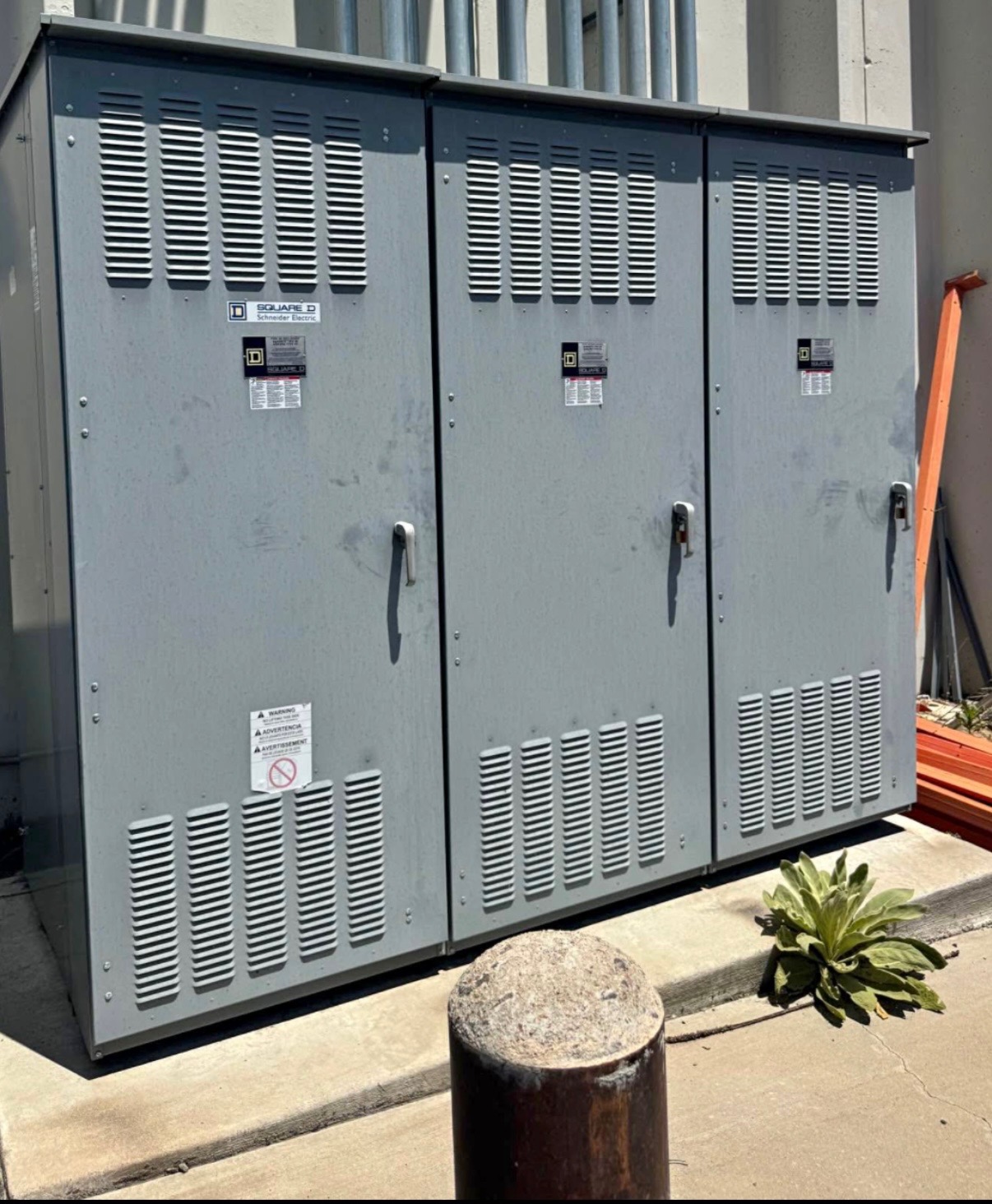
Separate the device from the assembly
Start by describing the withdrawable device and the stationary switchgear assembly separately. A device may be a breaker or another withdrawable component; the assembly is the lineup or section that receives it and includes its own identifying information. Record each visible nameplate independently, along with manufacturer, catalog or model identifiers, serial numbers, and any legible ratings. Do not assume a breaker’s details describe the assembly, or that a lineup label identifies every device installed in it. If the labels are incomplete or obscured, note that rather than inferring a match. This distinction helps buyers assess what is offered without asking a seller to remove, rack out, test, or handle equipment.
Define exactly what the sale includes
Make an inclusion list that distinguishes the lineup, individual withdrawable devices, and any separately stored components. For example, state whether the offer covers one identified assembly with the devices currently associated with it, or a group of devices stored separately, if that is what the records show. Note visible accessories or loose parts only when their identity and inclusion are clear; avoid treating a component as part of the system merely because it is nearby. If a device’s association with a particular section is uncertain, mark it as unconfirmed. This gives the buyer a basis for an individual asset review and reduces ambiguity about what would be sold and collected.
Document ratings without conflating them
Transcribe the information actually shown on accessible nameplates and records, keeping each rating tied to the item it identifies. A breaker’s frame and trip information are not interchangeable with the assembly’s identification or nominal voltage; likewise, a system-level rating should not be assigned to a device without supporting documentation. Record voltage class as stated, not as an estimate based on appearance or neighboring equipment. If a field is unreadable, say so. Buyers of surplus electrical equipment may consider all voltage classes, but that does not establish compatibility or acceptance for a particular device and lineup. Clear, item-specific records let the buyer review the combination without overstating what is known.
Describe known condition, not assumed performance
Share condition information from existing records and observations made from authorized, safe positions. Useful context can include whether the equipment was decommissioned, whether documentation is available, and whether records identify known damage or missing components. Separate documented facts from uncertainty: “inspection record notes a damaged exterior panel” is more informative than a broad label such as “good condition.” Do not operate, open, touch, approach, test, disconnect, remove, rack out, or move energized equipment, including to obtain photographs. No seller testing or equipment preparation is required. Safe photographs should be limited to exterior nameplates and visible equipment from authorized safe positions; qualified authorized personnel must perform electrical work under site rules.
Plan collection around the actual configuration
Drawout equipment can involve multiple items, distinct sections, and devices that are not included in the same sale, so collection planning should follow the inventory rather than an assumed single-unit load. Share known access constraints, equipment location within the facility, and available loading information through the site’s authorized process. Do not disconnect or reposition anything to improve access. If the sale proceeds, the buyer covers freight and can arrange crane, rigging, disconnects, loading, and hauling as applicable to the individually assessed assets and site conditions. The seller does not need to hire a crew or prepare the equipment. All electrical work remains with qualified authorized personnel operating under site rules.
Request an individual offer with a clear inventory
Send the buyer the separate assembly and device identifiers, inclusion list, available records, known-condition notes, and safe exterior photographs. Identify any uncertainty explicitly, such as a device with no confirmed section association or a nameplate that cannot be read from an authorized position. The company buys used, surplus, and decommissioned electrical equipment, including assets from decommissioned data centers and shut-down power plants, and offers cash with payment upfront. Each asset and offer is assessed individually; submission does not guarantee acceptance, a particular price, or a collection outcome. A precise inventory supports that review while leaving technical verification and any site-specific electrical work to qualified authorized personnel.