Start with what each record actually describes
Before requesting an assessment, identify whether a rating comes from a switchboard record, an equipment nameplate, a breaker label, or another existing document. A 400 A notation and a 120/208 V notation should not be combined into one assumed specification unless records support that relationship. The buyer purchases used equipment across all voltage classes, including from decommissioned data centers and shut-down power plants, but evaluates each offered asset individually. Records help distinguish items and describe known information; they do not, by themselves, establish condition, completeness, suitability, or acceptance.
Keep voltage and current categories distinct
Nominal system voltage describes the electrical system designation; equipment nameplate voltage describes the rating recorded for a particular assembly or device. Report them separately when both are documented. Likewise, an assembly’s continuous-current rating is not interchangeable with a breaker’s frame rating or trip rating. An interrupting rating is a further, separate value. Do not infer any missing figure, assume all markings apply to the same component, or conclude that a breaker is appropriate for an assembly from matching numbers. If records are unclear, mark the relationship as unknown rather than resolving it through seller testing.
Use existing paperwork, not new measurements
A useful request can include an existing equipment list, decommissioning inventory, prior record, or safely available exterior nameplate information. Note the document source and the asset it identifies; record uncertainty plainly where labels or files cannot be confidently matched. No seller testing, measurements, staging, or fabrication is needed to request a purchase assessment. If a discrepancy matters to valuation or removal planning, the buyer may ask a follow-up question or decide not to proceed. Do not create a new record by operating equipment, opening an enclosure, or accessing an unsafe location.
Set expectations about condition and scope
Ratings are only part of an offer review. The buyer may consider identity, quantity, accessible condition information, completeness as represented in records, and the practical requirements of an agreed handover. A listing that says “400 amp, 120/208 volt” without identifying which value belongs to which item leaves important questions open. It does not establish that the equipment is available, compatible, intact, or suitable for reuse. No particular asset is guaranteed acceptance, and each offer and acceptance is individually assessed; neither a price nor a response or completion date is guaranteed.
Share exterior information from a safe position
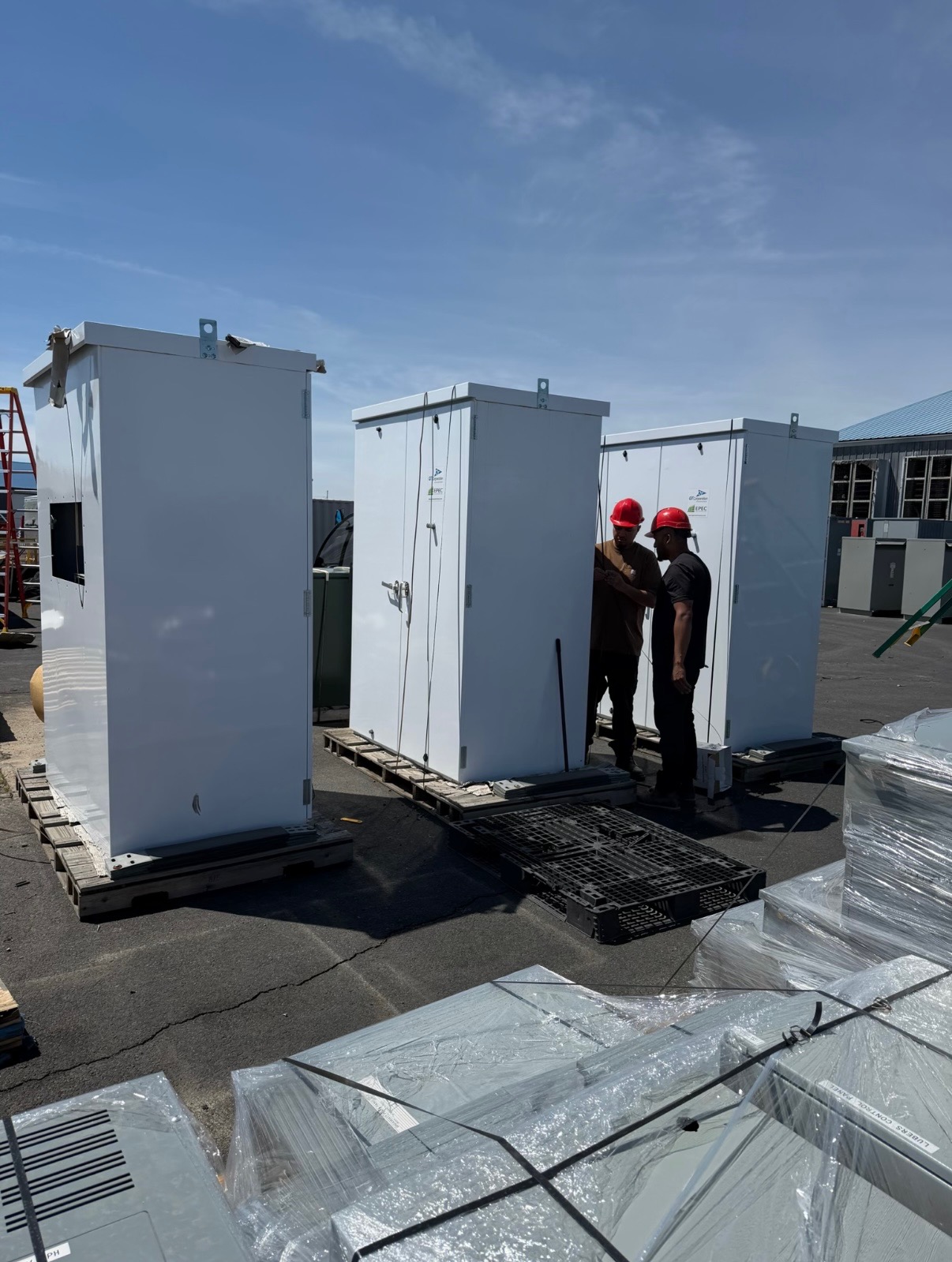
Photographs are optional supporting information, not a reason to take a safety risk. If permitted, photograph only safely accessible equipment exteriors and exterior labels or nameplates, from positions authorized under site rules. Never open a cabinet or photograph its interior. Do not approach, touch, operate, test, disconnect, remove, or move equipment that is energized or potentially energized. Any electrical work or access requiring electrical work must be handled only by qualified, authorized personnel under the site’s rules. If a label cannot be viewed safely, use existing records or leave that detail unknown.
Agree removal responsibilities before scheduling
For this equipment purchase, once agreed, the buyer funds the required disconnects and crane service, together with rigging, loading, hauling and freight. The seller does not hire or pay a removal crew. Confirm in advance which assets are included, who controls site access, applicable safety procedures, and the handover sequence. Electrical disconnects and related work remain subject to site authorization and must be performed by qualified, authorized personnel. The seller should not prepare equipment by disconnecting, moving, or staging it. A purchase arrangement does not include unrelated demolition or hazardous-material remediation.
Request a review without overstating the ratings
Send the asset description, Georgia site location, available existing records, and any safe exterior images, while separating confirmed values from unknowns. For a switchboard and a boxed spare device, list them as distinct assets when their records show different markings; do not imply they form a matched set. The buyer makes cash offers and pays upfront for purchases that are agreed, with terms confirmed for that purchase. A request is not a commitment to buy. Clear documentation supports a more informed discussion while leaving verification, acceptance, and logistics subject to individual review and site requirements.