Separate apparent age from documented age
Paint wear, faded labels, and an older-looking enclosure can suggest age, but appearance alone cannot establish when switchgear was manufactured. Look for purchase records, maintenance files, drawings, or prior asset inventories that may support a date; distinguish documented information from estimates. A date on one component may not date the full assembly, especially if breakers were replaced over time. If records disagree, preserve the discrepancy rather than selecting the most favorable year. This distinction matters when requesting an assessment: a buyer can consider the equipment and available information, but should not be asked to treat an inferred age as proven history or a guarantee of value.
Capture labels without creating electrical risk
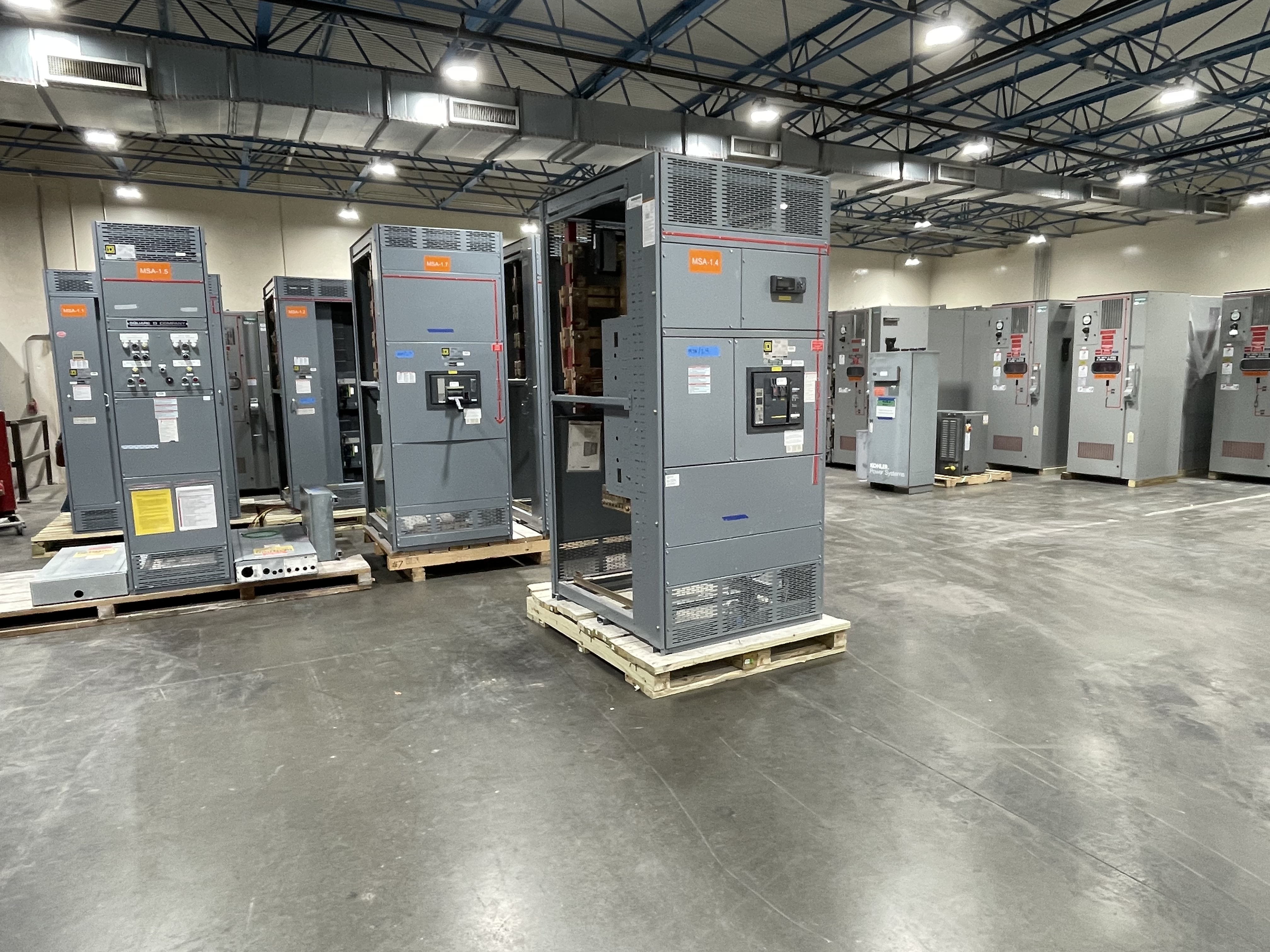
Legible identification helps distinguish an assembly from the devices installed within it. From an authorized, safely accessible position, photographs may show exterior nameplates and labels; never approach, open, touch, or operate equipment to obtain an image. Record the label text that is plainly visible, including manufacturer, catalog or serial identifiers, and stated ratings, while marking any unreadable fields as unknown. A switchgear assembly, breaker, bus, frame, and trip unit are different items, and a label on one does not automatically describe the others. If a label cannot be safely seen, note that limitation rather than arranging an unsafe inspection or guessing at the missing information.
Describe condition as observed, not assumed
Condition notes are useful when they separate visible observations from conclusions about electrical performance. For example, an exterior panel may show dents or corrosion, while neither observation establishes the internal condition or whether a breaker functions. Do not test the equipment for a sale; seller testing is not required. If qualified personnel already have records from prior authorized work, identify their source and date, without presenting old documentation as proof of current status. Also note whether the gear is known to have been stored, maintained, or exposed to water, if that information is available. Uncertainty is more useful than an unsupported claim that equipment is operational, complete, or ready for reuse.
Record modifications and missing components
Older installations can change through replacement breakers, added compartments, revised protection, or other alterations. Document modifications you know about, including approximate timing and supporting records, and distinguish those from changes that are merely suspected. If an inventory shows a breaker was removed or a trip unit replaced, identify the affected position where that can be done from existing documentation. Do not open gear or remove covers to verify an inventory. Assembly ratings and component ratings may differ; nominal voltage, frame size, trip rating, and bus rating are not interchangeable descriptions. A clear account of what is original, substituted, missing, or unknown helps an individual review without implying universal compatibility or acceptance.
Choose what information to share before pickup
Prepare the records you already have: exterior-label photographs taken from safe positions, inventories, drawings, service history, known modification notes, and an estimate of quantity. Do not delay contact to commission testing or undertake seller preparation; no testing or preparation is required. If the equipment is part of a larger decommissioning, identify which items are being offered and which remain in service or are outside the sale. The seller must own the equipment or have authority to sell it. These distinctions can help an individual assessment, but do not determine a price, acceptance, or schedule in advance. Avoid describing undocumented ratings or condition as confirmed.
Coordinate an authorized, site-specific removal
If an offer is made, clarify access, equipment location, site rules, and the scope of removal before work is arranged. The buyer purchases used, surplus, and decommissioned electrical equipment, including equipment from decommissioned data centers and shut-down power plants, and may make cash offers with upfront payment. It buys across voltage classes, with each asset assessed individually. Buyer-paid freight, crane, rigging, disconnects, loading, and hauling can be part of the logistics arrangement; the actual plan depends on the equipment and site. Electrical disconnect and other electrical work must be performed by qualified, authorized personnel under site rules. Never move or handle energized gear, and do not assume that an offer includes unrelated demolition or hazardous-material remediation.