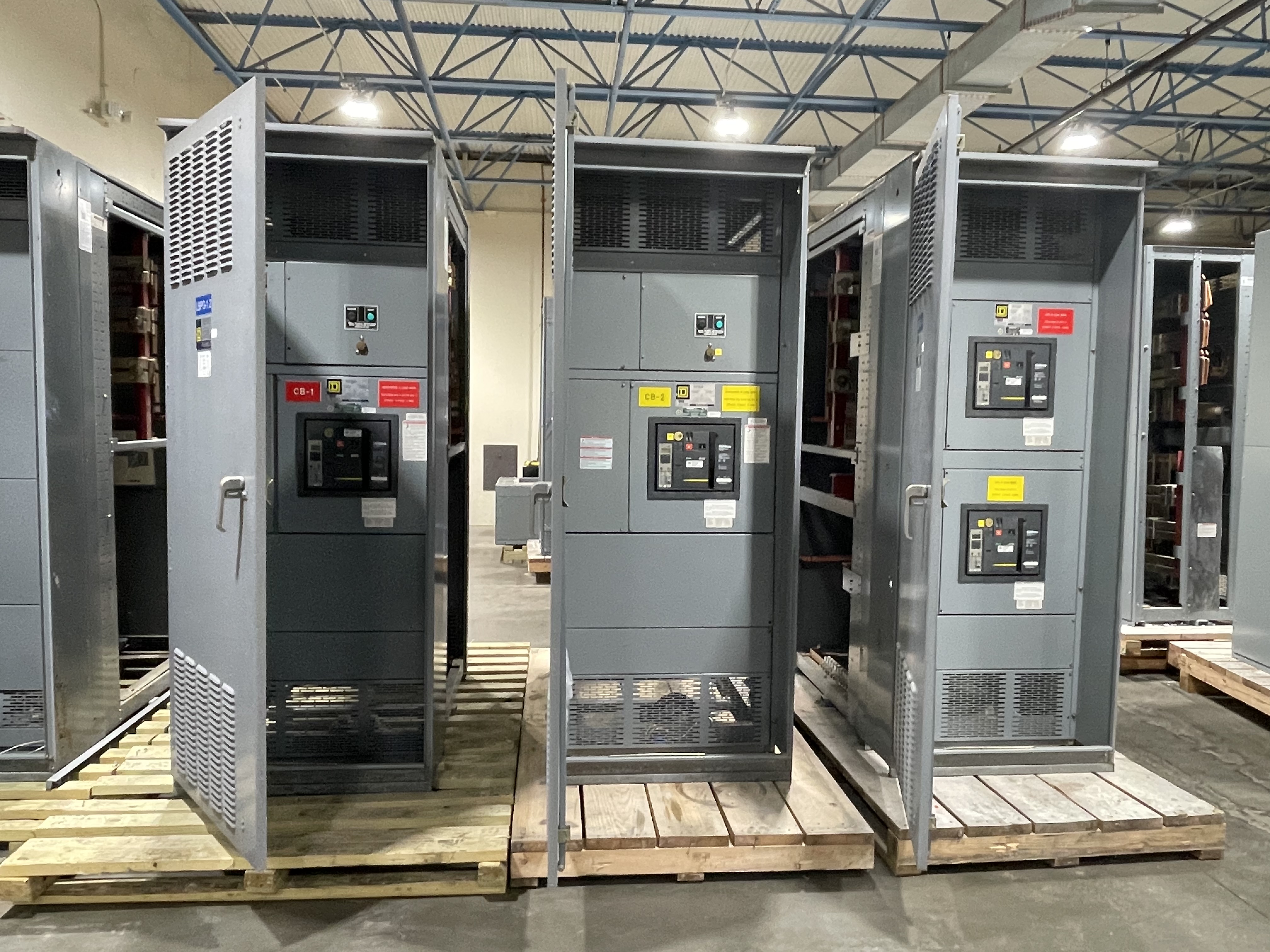
Decide whether to present a lineup or separate sections
A connected lineup may be considered as one asset, while a buyer may also assess identifiable sections individually; neither approach guarantees acceptance or a particular offer. The tradeoff is completeness versus flexibility. A complete assembly can preserve the context of adjoining sections, but a constrained doorway or lift path may make the whole arrangement impractical to handle. Separating the discussion by section can clarify what is available, yet should not mean physically separating anything. Share the lineup’s general arrangement and ask whether the buyer wants an assembly-level review or section-by-section information.
Identify sections without dismantling them
Use existing section numbers, lineup drawings, door schedules or facility asset records when available. A simple map can relate a visible exterior label to its position—for example, “Section 3, beside the end section”—without implying that the seller should remove covers or reach inside. If records conflict, note that uncertainty rather than guessing. Distinguish the complete switchgear assembly from individual breakers or other components listed in records; a component reference does not establish that it is separately removable or included. The buyer can clarify what identification is useful before evaluating the proposed scope.
Give ratings context, not a guessed valuation
For a lineup breakup, one rating copied from a single section may misrepresent the rest. Existing documents can help distinguish nominal system voltage, bus ratings, breaker ratings, frame size and trip settings; these terms describe different things and should not be treated as interchangeable. Record only information already available in authorized records or safely visible exterior nameplates. Do not infer a rating from appearance or photograph internal parts. Offers are assessed individually, and the buyer may ask for clarification where documentation differs across sections or does not establish what is included.
Plan the lift around the actual access route
Rigging decisions can determine whether a whole lineup, a group of sections or a narrower scope is workable. Useful details include doorway and aisle constraints, overhead obstructions, floor access, loading-area limits and whether a crane could be positioned, if permitted. Provide measurements from existing plans or measurements taken from safe, authorized positions; do not approach equipment to obtain them. The buyer can review crane and rigging needs and coordinate disconnects, loading, freight and hauling. Confirm who controls access and what site approvals apply before discussing a removal sequence.
Keep electrical work with authorized personnel
Section identification is not permission to disconnect or dismantle a lineup. Electrical work and any isolation or disconnection must be performed by qualified, authorized personnel under the site’s rules. The seller does not need to test equipment, open enclosures, move breakers, unbolt sections or prepare the lineup for a buyer’s review. This distinction matters when comparing offers: a proposed scope should make clear that buyer-coordinated removal logistics do not authorize unqualified work or override facility procedures. Ask how responsibilities and access approvals will be coordinated before any removal activity is scheduled.
Document condition and access safely
Share available service records, asset lists and drawings, and describe known gaps or visible exterior damage without attempting an inspection that requires access to hazardous areas. Photographs should be limited to safely accessible exterior nameplates and exterior views taken from authorized safe positions. Never approach, touch, open, operate, test or move energized equipment to obtain information or images. If a label cannot be read safely, say so and provide the corresponding record reference instead. These limits still allow an initial review while leaving technical verification to qualified authorized personnel and the buyer’s individual assessment.
Compare scope, payment and removal responsibilities
When a buyer responds, compare the stated assets and sections, any exclusions, payment terms and the proposed removal responsibilities—not just a headline figure. This buyer offers cash and pays upfront, but each asset and offer is assessed individually; acceptance, price and timing are not guaranteed. It buys surplus and decommissioned switchgear across all voltage classes, with no seller testing required, and pays buyer-side freight, crane, rigging, disconnects, loading and hauling as applicable to an agreed scope. Confirm that you own the equipment or have authority to sell it, then resolve scope and site requirements before proceeding.