Separate ownership from operating knowledge
The operator may know which lineup serves a particular load, while the owner holds title or manages the asset disposition. Neither role automatically grants authority to sell. If a property owner hires a separate operator, ask who owns the switchgear and who has written authority to transfer it. Record the owner’s legal name, the authorized seller’s name and role, and the document or approval supporting that authority. An operator’s equipment list can help identify the intended assets, but it should not substitute for sale approval. This distinction matters if a lineup was installed for another party, remains under a lease, or is subject to an owner-controlled removal process.
Give the authorized seller a clear approval path
When several parties must approve disposition, identify that chain before discussing pickup. For example, an asset manager might authorize a sale, while a corporate signatory executes the transfer and the operator confirms which sections are surplus. Ask whether approvals cover the complete lineup or only specified sections, and whether attachments, spare breakers, or loose components are included. Keep written confirmation tied to an inventory or offer description so approval does not drift as details change. If authority is still pending, say so rather than presenting an operator’s interest as final approval. Offers are assessed individually; the buyer needs a clear basis to understand what the authorized seller is offering.
Define the pickup contact’s limited role
The pickup contact solves an access and coordination problem, not an ownership problem. That person may know the gate procedure, escort rules, loading-area limits, and who can confirm an appointment, yet lack authority to amend the sale or release additional equipment. Ask the authorized seller to identify the contact in writing and specify what the contact may coordinate. Separately document the contact’s phone or email, required notice, access restrictions, and any site sign-in process. If the contact changes, confirm the replacement through the authorized seller. A name on a pickup message should not be treated as proof of title, sale authority, or permission to remove property beyond the agreed scope.
Make the inventory match the approval
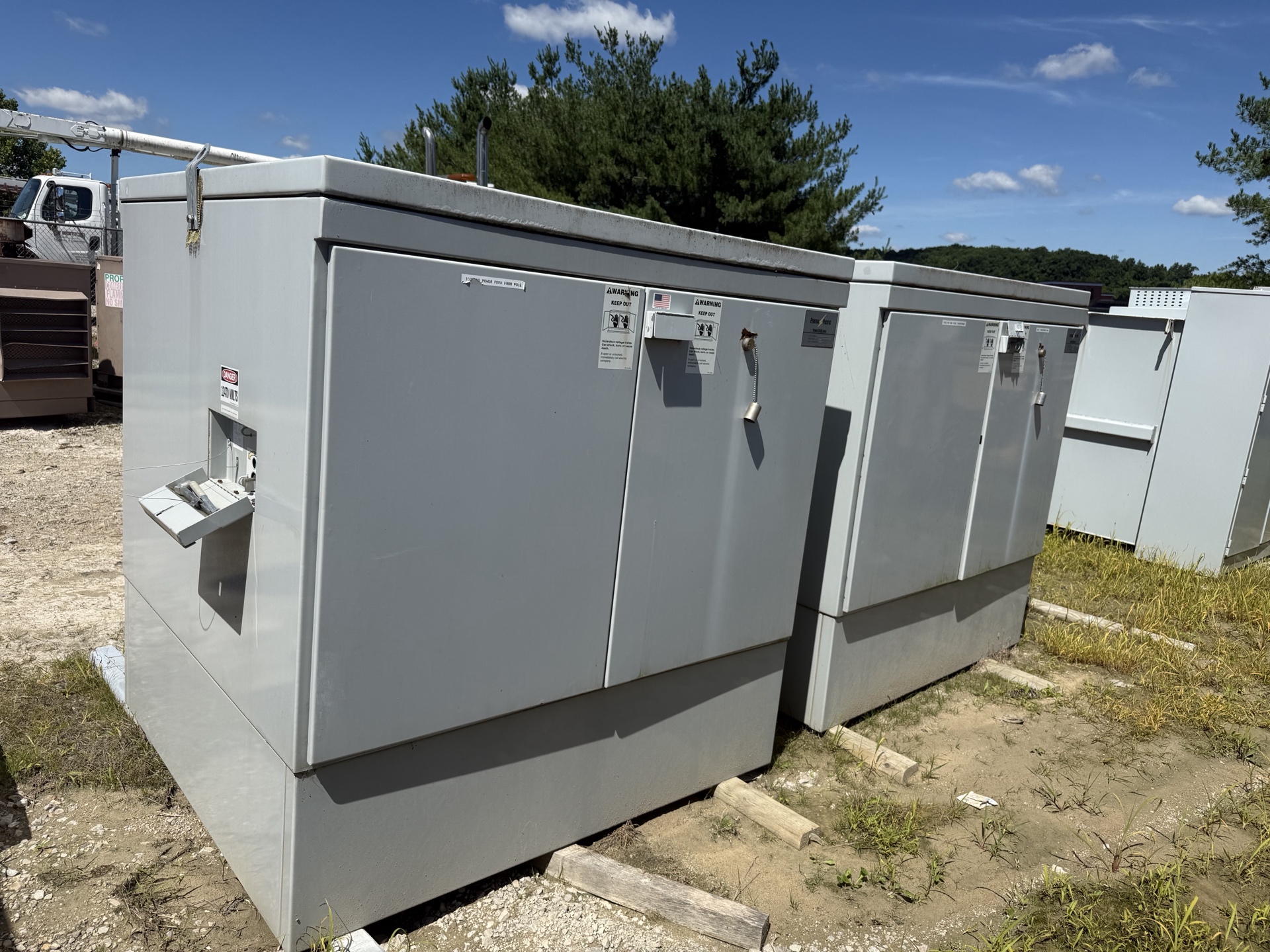
Switchgear descriptions can blur meaningful differences: an assembly may contain multiple sections, and a breaker’s frame and trip details are not the same as the lineup’s nominal voltage or ratings. Reconcile available records against the authorized seller’s intended sale scope, noting visible nameplate information and whether listed breakers are installed or separate. Do not infer compatibility or condition from a shared label or catalog description. If an image would help, use only safely accessible exterior nameplates and equipment from an authorized safe position; never approach, open, touch, or operate equipment for a photograph. No seller testing or preparation is required. Clarify discrepancies through records and qualified site personnel, not hands-on inspection.
Resolve commercial terms and work boundaries
Once authority and scope are clear, request an individually assessed cash offer and confirm the agreed upfront payment arrangements before transfer. The buyer purchases used, surplus, and decommissioned equipment across all voltage classes, including equipment from decommissioned data centers and shut-down power plants; that does not guarantee acceptance or a particular price. Confirm in writing which assets the offer covers and whether any exclusions remain. For agreed purchases, the buyer covers crane, rigging, disconnects, loading, freight, and hauling as applicable to the site and equipment. Electrical work must be performed by qualified, authorized personnel under site rules. The seller need not test equipment or hire a crew; do not assume unrelated demolition or remediation is included.
Release equipment only through a controlled handoff
Before pickup, have the authorized seller confirm the final inventory, the person empowered to release it, and the pickup contact’s coordination role. Ask what site approvals, escorts, scheduling steps, and documentation are required, without asking the contact to perform electrical work. If ownership, scope, or authorization is disputed, pause release until the parties resolve it in writing. The buyer and seller can then align access and logistics with qualified personnel and applicable site procedures. Keep a transfer record identifying the parties, the agreed equipment, and the release confirmation. This protects the owner’s disposition decision, gives the operator a defined coordination role, and helps the pickup contact avoid being treated as the seller.