Define the asset boundary before discussing removal
“Auxiliary transformer switchgear” can refer to an assembly, a lineup section, or particular devices associated with a transformer supply. For a possible sale, identify the equipment by location or existing asset tag and describe whether the offer would include only switchgear or also associated control gear, bus, cable, or other items. Do not assume ownership follows physical proximity. Plant structures, transformers, and retained circuits may belong to different parties or be excluded from the transaction. A written scope helps both sides avoid treating retained or third-party property as saleable equipment.
Separate title, authority, and electrical release
Ownership evidence and permission to sell are distinct from permission to disconnect or remove equipment. Depending on the shutdown, title or disposal authority may rest with an owner, operator, lender, contractor, or asset manager; the responsible parties should resolve that internally. Separately, the site’s qualified authorized personnel must control electrical isolation and release under applicable site rules. A purchase assessment does not authorize electrical work or establish that equipment is de-energized. Never approach, touch, open, operate, test, disconnect, remove, or move equipment that is energized or may be energized.
Use existing records without creating a testing task
Helpful materials may include asset registers, disposal schedules, one-line diagrams, equipment schedules, prior inspection documents, and existing exterior nameplate records. Share available information; a seller does not need to test, measure, stage, fabricate, or prepare equipment to request an assessment. Keep ratings distinct: a nominal system voltage is not the same as assembly voltage, and neither establishes continuous-current, device-frame, trip, or interrupting ratings. Report each value only where existing records support it. Unknown, conflicting, or missing details should be identified as unknown rather than inferred from appearance.
Describe condition and exclusions plainly
For a possible purchase, useful context includes whether the lineup is reported intact, incomplete, stored, or subject to a planned site disposition, plus any known exclusions or access restrictions. Avoid representing unverified condition as confirmed. Clarify if transformers, retained circuits, control wiring, building steel, foundations, or other plant assets are outside the proposed scope. A purchase assessment does not commit the buyer to accept a particular assembly or resolve demolition, environmental, or hazardous-material work. The buyer purchases electrical equipment, not unrelated plant teardown or hazardous-material remediation; those responsibilities require separate arrangements.
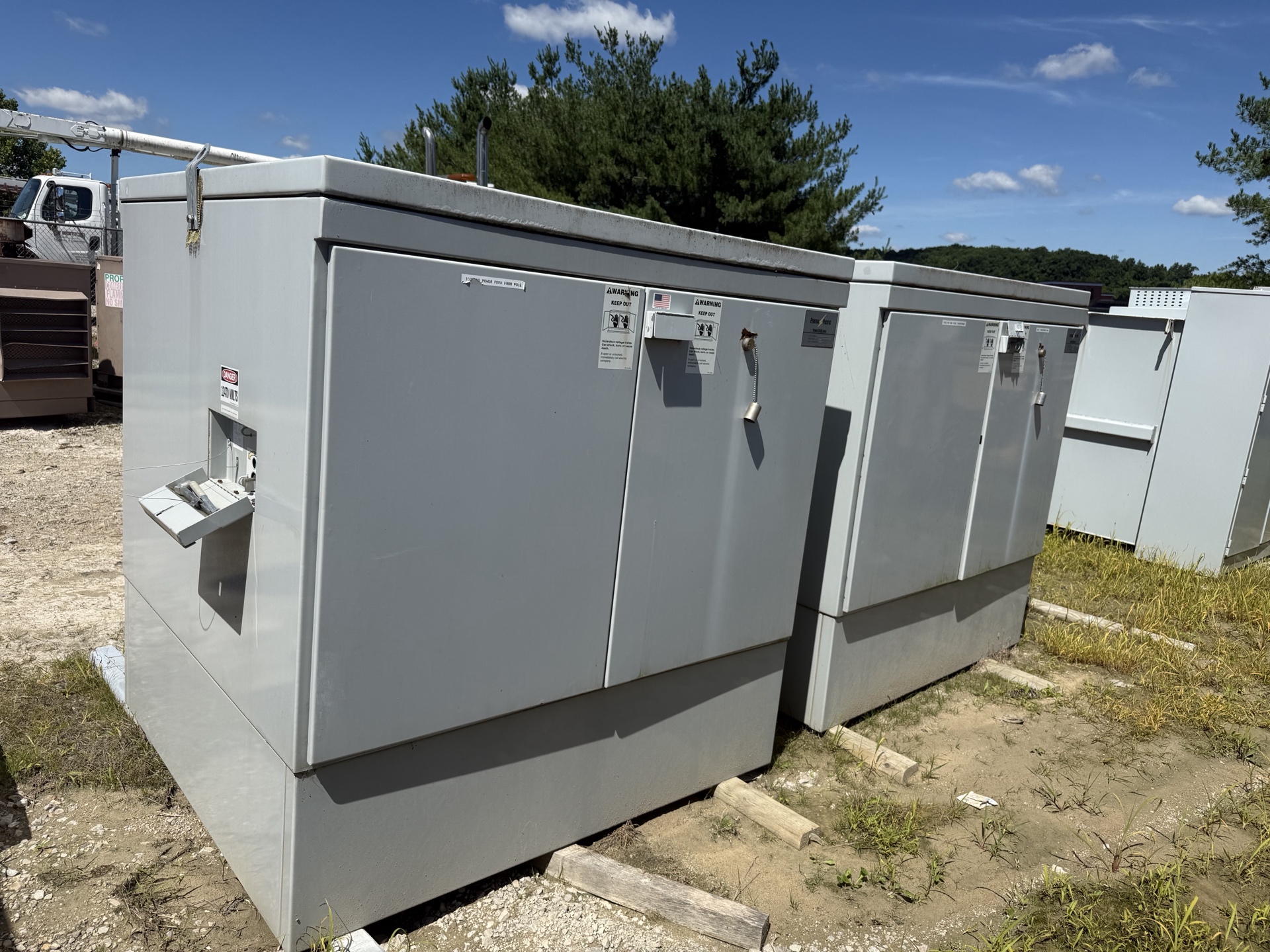
Keep photographs to safe exterior views
If site rules permit, photographs can help identify equipment when taken only from a site-authorized safe position and only of safely accessible exterior surfaces and exterior labels or nameplates. Do not open a cabinet, remove a cover, enter a restricted area, or approach equipment to obtain a better image. No internal photographs are needed. If a nameplate cannot be safely seen, rely on existing records or leave the detail unconfirmed. A photo request is not permission to enter an electrical area or interfere with equipment; site access rules and qualified personnel remain controlling.
Plan removal around the agreed purchase scope
When a purchase is agreed, the buyer covers necessary crane, rigging, disconnects, loading, freight, and hauling under that agreement; the seller does not hire or pay a removal crew. The parties should align the equipment boundary, access permissions, site schedule, and handover conditions before work is arranged. All electrical work must be performed by qualified authorized personnel under site rules. No seller removal or preparation is required for an assessment. Do not move or handle equipment, including equipment believed to be out of service, unless authorized site personnel have released it and the agreed plan permits the work.
Request an offer with clear expectations
Send the available ownership and scope information, relevant existing records, known exclusions, and any safe exterior images. The buyer makes cash offers and pays upfront for agreed purchases, subject to the individual assessment and agreed terms. There is no seller testing requirement. The buyer considers used, surplus, and decommissioned equipment across all voltage classes, including equipment from shut-down power plants and decommissioned data centers; that does not guarantee acceptance of any specific asset. Offer amount, purchase decision, and timing depend on the details and agreement, so none should be treated as guaranteed before acceptance.
DECOMMISSIONING / THE COMPLETE SERVICE
From shut-down site to paid seller.
We buy electrical switchgear from decommissioned data centers and shut-down power plants. We handle all rigging and logistics: crane, rigging, disconnects, loading, freight and hauling are on us. Qualified personnel handle electrical disconnects and isolation according to site safety procedures. The seller does nothing but get paid.
We make cash offers, pay upfront, require no testing from the seller, and buy all voltage classes. Share the site and equipment details you know; photos are helpful only when they can be taken safely. Never open or touch energized equipment or disturb a live installation.