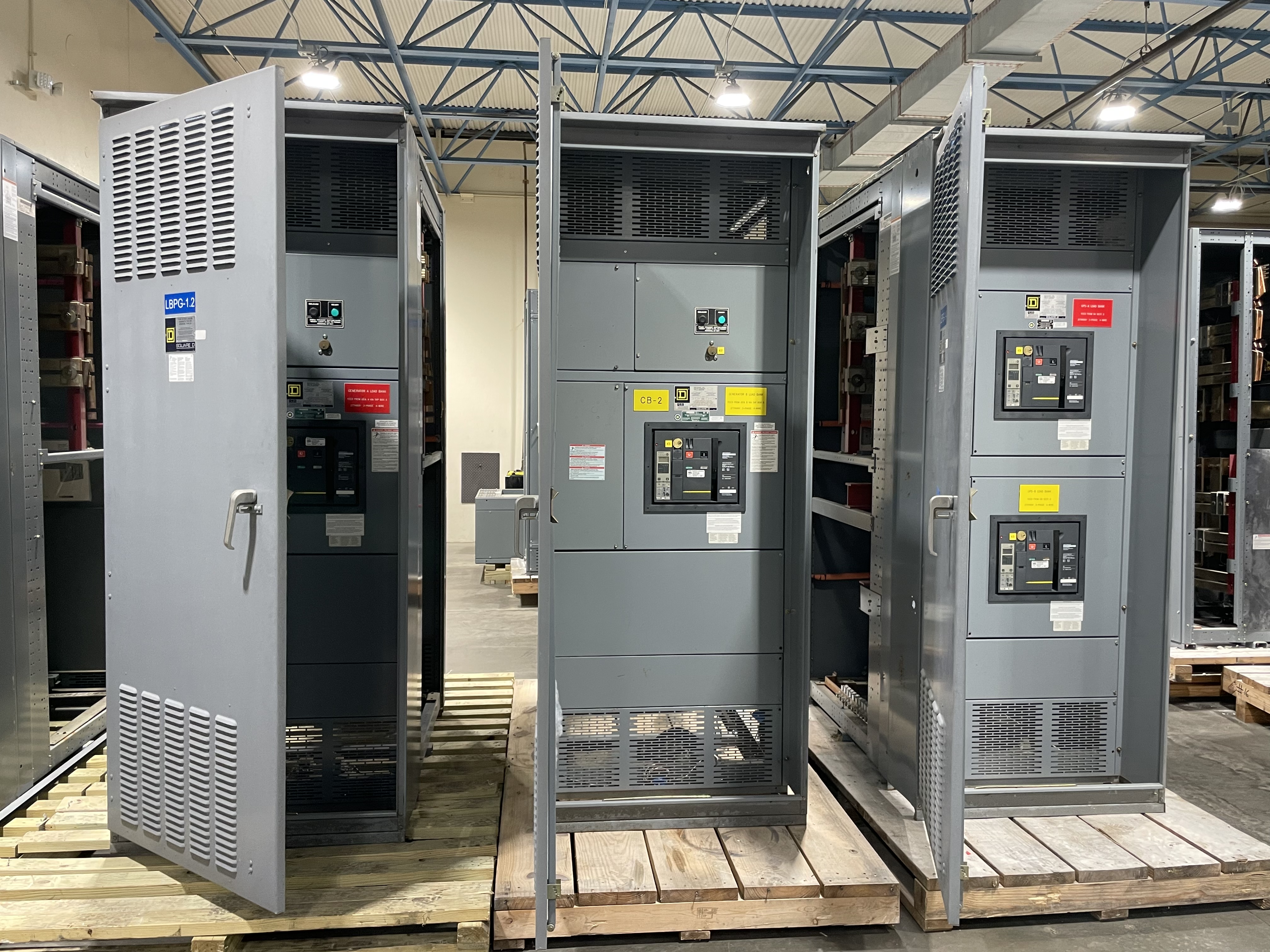
Start with the release boundary, not the lifting plan
If a manufacturing site is preparing to retire a switchgear lineup, first identify who has authority to release it and who controls the electrical work. The seller must own the equipment or have authority to sell it. Qualified, authorized personnel—not a buyer’s valuation discussion—must determine isolation, disconnection, and safe release under site rules. Keep those responsibilities distinct from removal logistics: the buyer can cover disconnects, rigging, crane coordination, loading, freight, and hauling, without requiring the seller to hire a crew. Before discussing a pickup window, document the authorized contact, applicable site access rules, and the point at which equipment may be presented for evaluation and removal.
Choose forklift access or crane access from actual constraints
A forklift may suit accessible, manageable sections, but a route that passes through a production aisle can be impractical during active shifts. A crane may avoid interior travel, yet needs a suitable setup area, reach, lifting path, and access that do not conflict with overhead obstructions or site restrictions. Neither method should be selected from a photograph alone. Share safely accessible exterior views and available dimensions or weight information only if already documented; do not approach or handle equipment to obtain them. Ask the buyer what information is needed to assess lifting options, then have the site contact identify approved access points and restrictions for qualified removal personnel.
Set a traffic window that works for the whole route
Manufacturing traffic is more than the pickup gate: delivery queues, shift changes, yard crossings, and shared loading areas can all affect a removal window. If a crane setup would narrow a drive lane, compare a quieter operating period with the added coordination that an off-shift window may require. If a forklift route crosses a receiving area, a brief delivery pause might be preferable to blocking the route for an extended period. Record gate procedures, vehicle limits if known, escort requirements, and any prohibited hours. These details help the buyer assess freight and hauling logistics without assuming the seller must arrange labor or guarantee a particular schedule.
Describe the assembly and its ratings precisely
For an initial assessment, distinguish the complete switchgear assembly from individual breakers or other removable components. A lineup’s frame and bus arrangement are not interchangeable descriptions of a breaker’s trip unit or rating; nominal voltage and current or interrupting ratings are separate details, too. Use existing records where available, such as asset schedules or exterior nameplate information safely visible from an authorized position. Do not open doors, approach energized equipment, or test anything to fill gaps. The buyer considers assets and offers individually, buys equipment across voltage classes, and may assess used, surplus, or decommissioned gear; no particular brand, rating, or configuration guarantees acceptance.
Compare the offer structure with removal responsibilities
Ask how the proposed purchase and removal scope fit together: this buyer makes cash offers and pays upfront, with assessment and terms determined individually. The buyer pays freight and handles crane, rigging, disconnects, loading, and hauling as part of the agreed scope; the seller need not arrange removal labor or conduct tests. Clarify what equipment is included, the intended pickup boundary, and how site access limitations may affect the plan before accepting an offer. Do not assume that payment or a preliminary discussion confirms a fixed timetable or outcome. The seller’s useful contribution is accurate ownership authority, available records, and clear site rules—not electrical work or a self-organized lifting crew.
Keep evaluation photographs and records safely obtainable
Useful documentation can include an existing inventory, drawings already held by the seller, known access dimensions, and photographs of safely accessible exterior nameplates. Take or provide images only from an authorized safe position; never operate, open, touch, approach, test, disconnect, rack out, remove, move, or handle energized gear, including for a photograph. If the equipment’s status or access conditions are uncertain, leave it alone and defer to qualified authorized personnel and site procedures. When discussing a possible Stewart County pickup, separate confirmed facts from estimates—for example, a documented doorway width versus an unverified assumption about lifting clearance. That distinction supports a realistic individual assessment without overstating what can be accepted or removed.