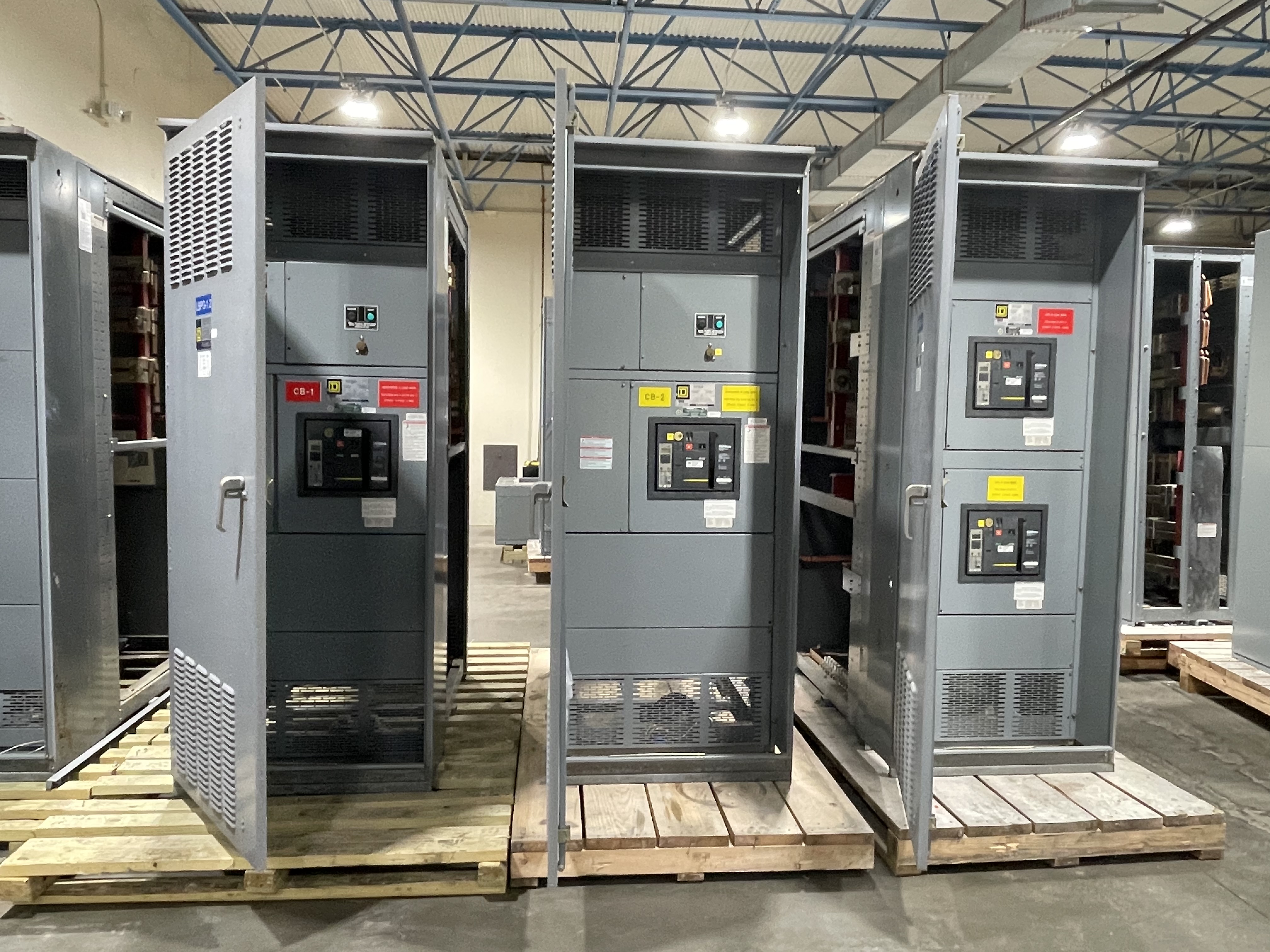
Define the lot before discussing price
A unit substation can describe an assembled arrangement, but it does not make every component one asset or one sale. The transformer changes voltage; switchgear controls and protects circuits; associated spares might include breakers, relays or other separately stored items. If a seller is considering the whole package, first make a component list and note which pieces are physically together. A combined offer may simplify disposition, while separate offers can make sense when ownership or inventory records differ. Assessment depends on the actual items and their documented circumstances, not the label “unit substation.”
Resolve ownership and sale authority first
Before proposing a lot, establish who owns each major component and whether the person arranging the sale is authorized to transfer it. A transformer may belong to one entity while switchgear or stored breakers belong to another, especially after a site changes hands. If records are incomplete, identify the uncertainty rather than assuming common ownership from shared location or service history. Gather available asset lists, purchase or transfer records, and written authorization where applicable. A buyer can assess only what is offered by someone with authority to sell; unresolved title can delay or prevent consideration of a combined lot.
Separate condition facts from assumptions
Condition can vary across the transformer, switchgear assembly and spare components, even when they were used in the same installation. Note known service history, outages, removal status and visible exterior condition, while distinguishing documented facts from estimates or secondhand statements. Do not energize, open, touch, approach, test, disconnect or move equipment to answer questions or obtain photographs. No seller testing or preparation is required. If photographs are useful, take only exterior nameplate or overall views from an authorized safe position where they are safely accessible. Unknown condition should be disclosed for individual assessment, not converted into an unsupported claim.
Keep electrical ratings and components distinct
When available from existing records or safely accessible exterior nameplates, capture the transformer’s identified voltage information separately from the switchgear’s nominal voltage and ratings. For switchgear, distinguish the assembly from individual breakers, and record breaker frame and trip information separately where documented. A spare breaker is not automatically suitable for the installed gear merely because it appears similar; compatibility depends on the specific equipment and must not be presumed. Avoid filling gaps by inference or attempting inspection. We consider equipment across all voltage classes, but voltage alone does not establish condition, compatibility, acceptance or value.
Document spares without bundling blindly
Associated spares can affect the usefulness of a proposed lot, but count and identity matter more than a general statement that “parts are included.” List each known item, quantity, identifying label and storage location, and state whether records confirm it belongs with the offered equipment. If breaker labels, trip units or relay details are unavailable, mark them unknown instead of assigning a match. A complete, well-documented package may be easier to assess together; separately owned, unidentified or unrelated spares may need separate treatment. Keep the inventory descriptive and avoid handling components to improve the list.
Plan removal and pickup around site controls
Pickup planning depends on what is already safely disconnected, accessible and authorized for removal, not simply on the lot’s footprint. Electrical disconnects and any other electrical work must be performed by qualified, authorized personnel under site rules; sellers should not undertake that work for an offer. We can cover crane and rigging, disconnects, loading, freight and hauling as part of a potential transaction, subject to the specific assessment and site conditions. Share known access constraints and loading considerations through the responsible site contact. No one should approach or handle energized equipment to prepare for pickup or photographs.
Request an individual assessment with useful records
For an initial review, provide the pickup location in Tattnall County, an itemized description of transformer, switchgear and spares, available records, ownership authority and clearly stated unknowns. This helps compare a combined-lot proposal with separate component consideration without promising that every item will be accepted. Offers are assessed individually; where a purchase is agreed, we offer cash and pay upfront. Freight and related handling can be buyer-paid, including the services noted above, according to the agreed transaction. The practical next step is a truthful inventory—not seller testing, speculative compatibility claims or a commitment to a particular outcome.