Start with the equipment and its records
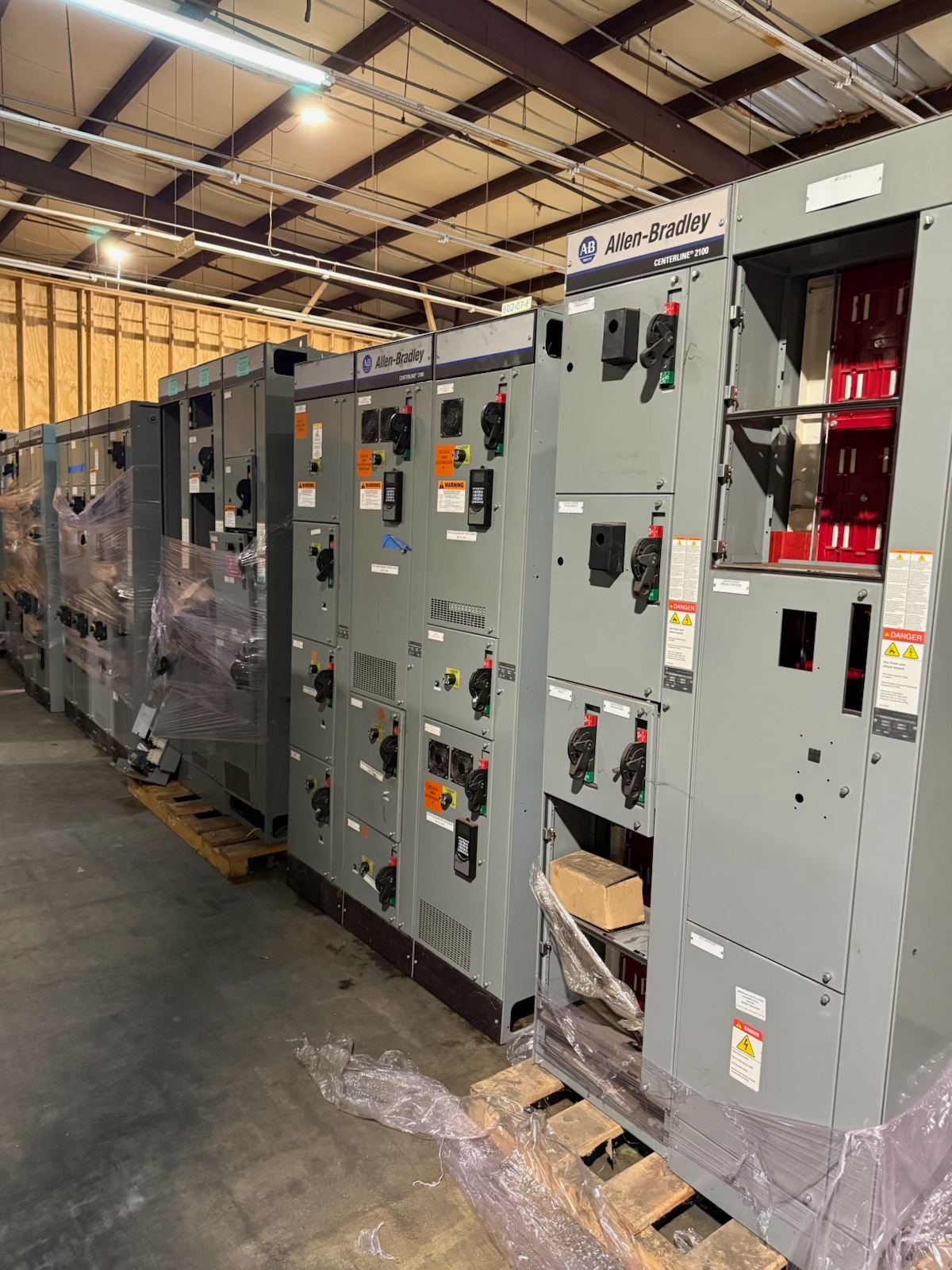
A purchase assessment can begin with available asset lists, prior project documents, and exterior photographs. If safe and authorized, photographs should show only accessible equipment exteriors and exterior labels or nameplates, taken from permitted positions. Do not open cabinets or go closer to obtain a better view. Records may identify equipment descriptions and supported ratings, but do not assume that a system’s nominal voltage, an assembly’s voltage, continuous current, breaker frame, trip setting, and interrupting rating mean the same thing. The buyer purchases equipment across all voltage classes, including equipment from decommissioned data centers and shut-down power plants.
Why uneven ground changes the logistics review
Slopes, soft or settled ground, surface transitions, drainage features, and obstacles can affect access and the sequence a logistics specialist considers. Their significance depends on the particular site and proposed operation; a photograph or general description cannot establish a safe truck route or lifting plan. Existing documentation that notes uneven yard areas is useful context, but it is not route approval. Specialists may need site input about access restrictions and known conditions. That review does not ask the seller to inspect, prepare, improve, or certify the ground, nor does it determine lifting capacity from seller observations.
Clarify access without creating a route
If no approved truck route is documented, identify that as an open item rather than guessing where a vehicle should travel. Site personnel can explain existing permissions, restrictions, or records through the facility’s normal process. The seller should not mark out a route, move obstacles, test surfaces, or direct a vehicle over uncertain ground. A logistics specialist and authorized site representatives can consider whether access is feasible and what approvals are needed. If safe access cannot be established, the parties may need to revise the plan, defer pickup, or decide not to proceed with that asset.
Separate asset ratings from removal questions
Equipment identity and ratings matter to the purchase review, while yard access and lifting are separate logistics questions. Use existing records to report values only when they clearly support them, preserving distinctions among nominal system voltage, assembly voltage, continuous current, device frame, trip rating, and interrupting rating. Missing or conflicting records should remain identified as unknowns; sellers are not expected to test or measure equipment. A buyer may assess the available information and make an offer, but neither a listed rating nor a favorable access review guarantees acceptance, a particular price, or a pickup date.
Agree on the work and its limits
For an agreed purchase, the buyer covers the necessary crane, rigging, disconnects, loading, freight, and hauling as part of the agreed arrangements. The seller does not hire or pay a crew for that removal work. The scope should be confirmed between the parties and coordinated with site requirements before work begins. This purchase arrangement is not a commitment to demolish buildings, remove unrelated materials, or remediate hazardous substances. Any separate work outside the agreed equipment purchase and handover needs its own authorization and arrangements; do not treat it as included without explicit agreement.
Keep electrical and site safety under site control
Never approach, touch, open, operate, test, disconnect, remove, or move equipment that is energized or may still be energized. Electrical work, including any required isolation or disconnection, belongs only to qualified, authorized personnel acting under applicable site rules. Do not ask a seller to prove de-energization, take interior photographs, or prepare equipment for lifting. Any site access, permits, escort, or work restrictions should be handled through the facility’s established process. If a condition is uncertain, stop the proposed activity and refer it to the responsible site authority and qualified personnel.
Make the handover conditional on a workable plan
Before confirming a pickup, align the accepted asset, access permissions, work scope, and logistics plan with the people authorized to approve them. Share existing records and safe exterior images through the agreed channel; unresolved route or ground questions should be referred to specialists, not settled by seller-led trials. The buyer makes cash offers and pays upfront for purchases the parties agree to, with each offer and acceptance assessed individually. Price and timing are not guaranteed. If specialists and site authorities cannot agree on a safe, permitted handover, the purchase may not proceed as proposed.