Build a lot-by-lot ownership and release list
Record each address separately, with the equipment description, owner or authorized seller, release contact and any known restrictions on transfer. A parent company, property manager and equipment owner may have different authority; ask who can approve the sale and who can authorize the physical release. Existing asset schedules, decommissioning inventories and disposal approvals can help identify lots, but they do not establish condition or confirm that every listed item is available. Keep uncertain ownership or missing approvals visible as open items rather than assuming that permission at one site covers another.
Keep collection windows independent
Compare each location’s approved release dates and hours before proposing a route. One site may allow loading only during a narrow window, while another may require advance notice, escort arrangements or a separate clearance. Confirm who will be present to release each lot and how delays or a missed window are handled. A single truck plan may reduce repeated travel, but it can also leave later stops waiting if an earlier release slips. Treat each stop as a distinct commitment and agree the sequence only after the relevant contacts confirm their site’s availability.
Check truck access at every address
Do not infer access from a street address or from another site on the route. Ask the authorized contact what access information is already available: gate procedures, delivery entrance, vehicle restrictions, loading-area rules and whether a truck can reach the agreed pickup point. Site personnel should identify any limits or escort requirements. If access is uncertain, resolve it through authorized site channels before scheduling; do not ask a seller to move equipment or prepare a route physically. Separate access checks help expose a stop that needs a different vehicle or timing, without assuming that one arrangement fits all lots.
Use records to describe equipment, not promise value
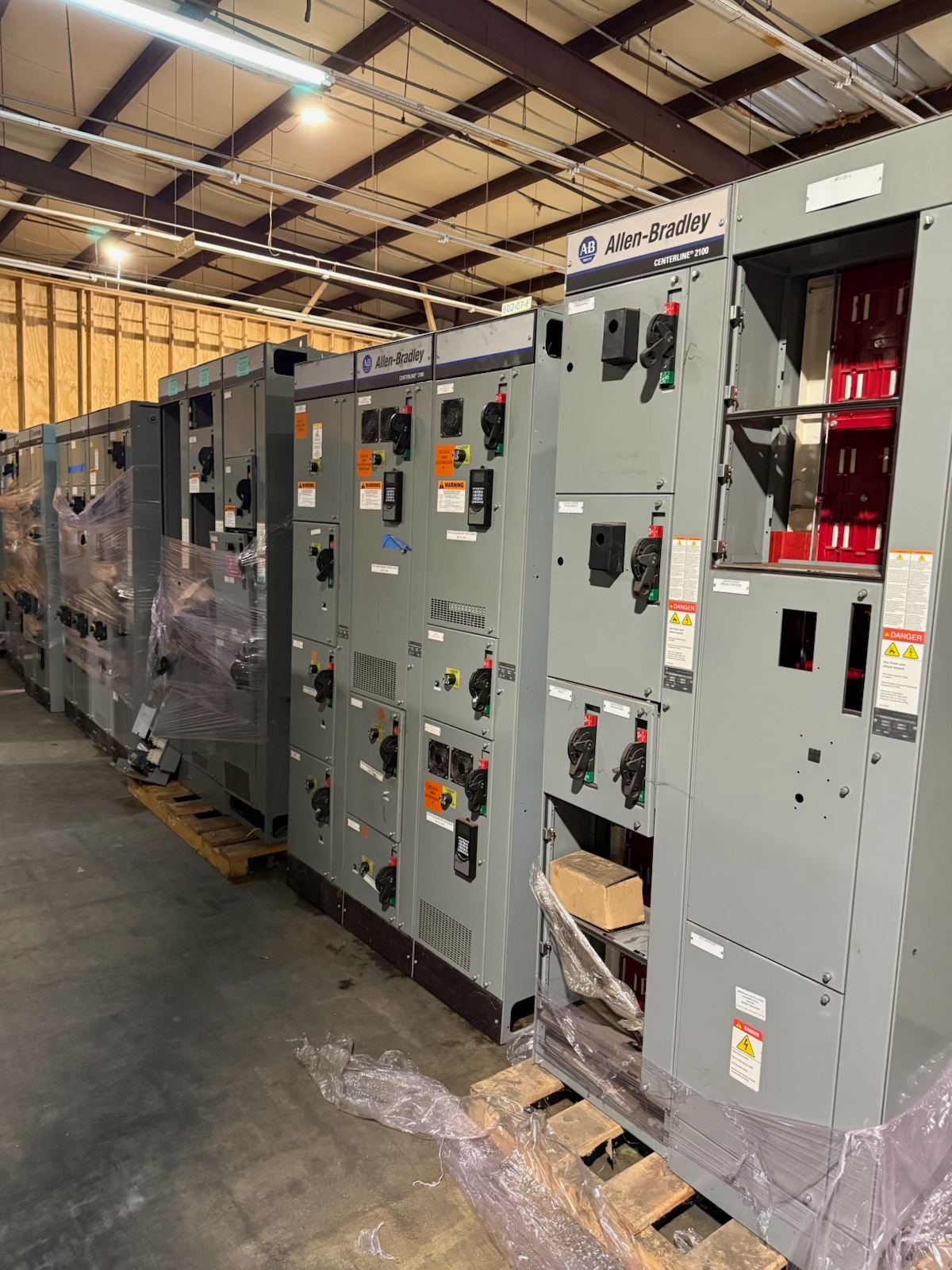
Existing inventories, exterior nameplate records and decommissioning documents may support an initial assessment, but records can be incomplete, outdated or associated with the wrong asset. Where available, distinguish nominal system voltage from assembly voltage, and continuous current from device frame, trip and interrupting ratings; do not substitute one value for another. A buyer considers equipment across all voltage classes, including equipment from decommissioned data centers and shut-down power plants. No seller testing is required to request an assessment. Any offer and acceptance are assessed individually, and records alone do not guarantee purchase, price or timing.
Agree scope and payment for each lot
Ask for a written understanding of the equipment included at each address, the authorized seller, the agreed release conditions and the collection responsibilities. The buyer makes cash offers and pays upfront for agreed purchases; payment terms and timing should be confirmed for the particular transaction rather than presumed across multiple sellers or sites. A proposed route does not mean every lot will be accepted. Identify exclusions explicitly, including items whose ownership, availability or inclusion has not been confirmed. Do not treat an assessment as a commitment until the parties have agreed on that specific purchase and its handover arrangements.
Plan safe, authorized handover logistics
For equipment sold by agreement, the buyer covers necessary disconnects, rigging, crane service, loading, hauling and freight; the seller does not hire or pay a removal crew. Electrical work must be performed only by qualified, authorized personnel under applicable site rules. Never approach, touch, open, operate, test, disconnect, remove or move energized or potentially energized equipment. If images are useful, provide only photographs of safely accessible exteriors and exterior labels or nameplates, taken from site-authorized safe positions; never open a cabinet or photograph its interior. Confirm responsibility and sequence with site contacts before any work or loading begins.
Separate unresolved items from the route plan
Before confirming a multi-stop collection, mark each lot as authorized, pending or excluded, and note its contact, release window and truck-access status. This makes it easier to revise the route if one seller lacks approval or one location cannot confirm access. The buyer can assess only the equipment and scope actually offered; the arrangement does not include unrelated demolition or hazardous-material remediation. If site conditions or permissions change, pause the affected stop and coordinate through authorized contacts. Each purchase and collection plan remains subject to individual assessment and agreement, with no guaranteed acceptance or schedule.