Separate sale assets from demolition scope
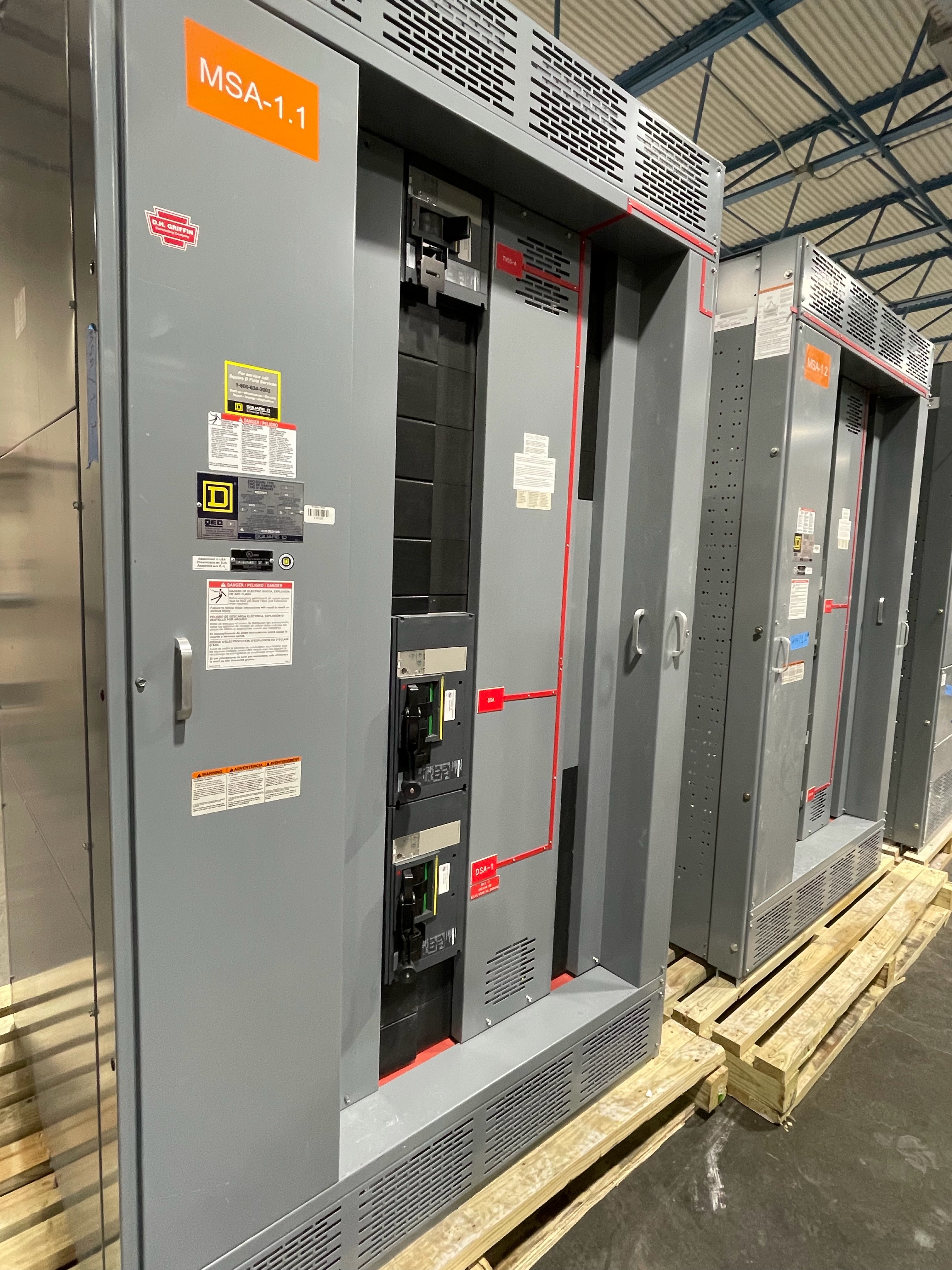
If a property owner is preparing a shutdown and demolition, start with a written boundary between saleable equipment and items the demolition contract includes. For example, a switchgear lineup might be offered for sale while concrete housekeeping pads, building conduit, and unrelated distribution equipment remain in the demolition scope. Identify each lineup or section by its location and a reference number, then state whether breakers, bus links, protective relays, or control components are included. This prevents assumptions that a buyer is acquiring connected infrastructure or that demolition crews should preserve equipment not expressly listed.
Describe assemblies and components precisely
A useful inventory distinguishes the complete assembly from individual breakers and records visible manufacturer and nameplate information where safely accessible. Note whether a breaker is included with a particular lineup, listed separately, or excluded; do not treat a breaker’s frame rating or trip rating as the assembly’s rating. Record nominal voltage and other legible nameplate ratings as stated, without inferring missing values or compatibility. If multiple sections appear similar, use lineup identifiers and photographs of safely accessible exterior nameplates from authorized safe positions. Never approach energized equipment to obtain a closer image; qualified personnel must determine safe access.
Set removal dates against the demolition schedule
Record the date by which an offer must be considered, the anticipated demolition start, and the last date a buyer could access the equipment for an agreed removal. These dates may not align: a demolition contractor may need a work area cleared before the building comes down, while a buyer may need time to assess the listed assets and coordinate logistics. Ask who controls the schedule and who can authorize changes. A date in an inventory is planning information, not a guaranteed purchase or removal timetable; confirm any agreed schedule directly with the responsible parties.
Document safe access controls and responsibility
Before arranging any site visit, identify the site contact, access hours, sign-in rules, escort requirements, and areas that visitors may not enter. Document whether the equipment is energized, isolated, or otherwise subject to site restrictions only through information provided by authorized site personnel; do not ask a buyer or seller to verify status by touching or testing it. All electrical work, including disconnects, must be performed by qualified, authorized personnel under site rules. No seller testing or preparation is required. If safe viewing cannot be authorized, rely on existing records and safely accessible exterior information instead.
Make the offer scope and payment terms explicit
Send the inventory with ownership or sale-authority confirmation and specify whether the proposed sale covers a complete lineup, selected sections, or identified loose components. A buyer may consider used, surplus, or decommissioned switchgear across all voltage classes, but each asset and offer is assessed individually; listing a rating does not guarantee acceptance or a particular price. Ask for a cash offer and clarify that payment is made upfront if the transaction proceeds. Confirm in writing what equipment is included and which party controls access, rather than relying on a broad description such as “electrical room contents.”
Compare removal responsibility, not just price
For a possible purchase, clarify who is responsible for coordinating disconnects and removal under the site’s authorization process, and how the work area will be handed back. The buyer covers crane, rigging, loading, freight, and hauling for an agreed purchase; the seller is not expected to hire a removal crew or test the equipment. Those responsibilities do not override site controls or authorize work by unqualified personnel. Compare offers against the same sale boundary and access window, since a higher figure for a different scope or unavailable removal date may not be a like-for-like proposal.
Keep a controlled handoff record
Before demolition proceeds, reconcile the final asset list against the sale agreement and mark any exclusions so demolition personnel can distinguish retained property from equipment released for removal. Record who may authorize entry, the agreed access period, and the contact for schedule changes. If an asset’s identity, ownership, or inclusion remains uncertain, resolve it before crews act rather than relying on appearance or informal instructions. A signed handoff record can reduce disputes about missing components and prevent a demolition sequence from overtaking a potential sale, without promising that any listed equipment will be purchased.