Separate washdown exposure from visible condition
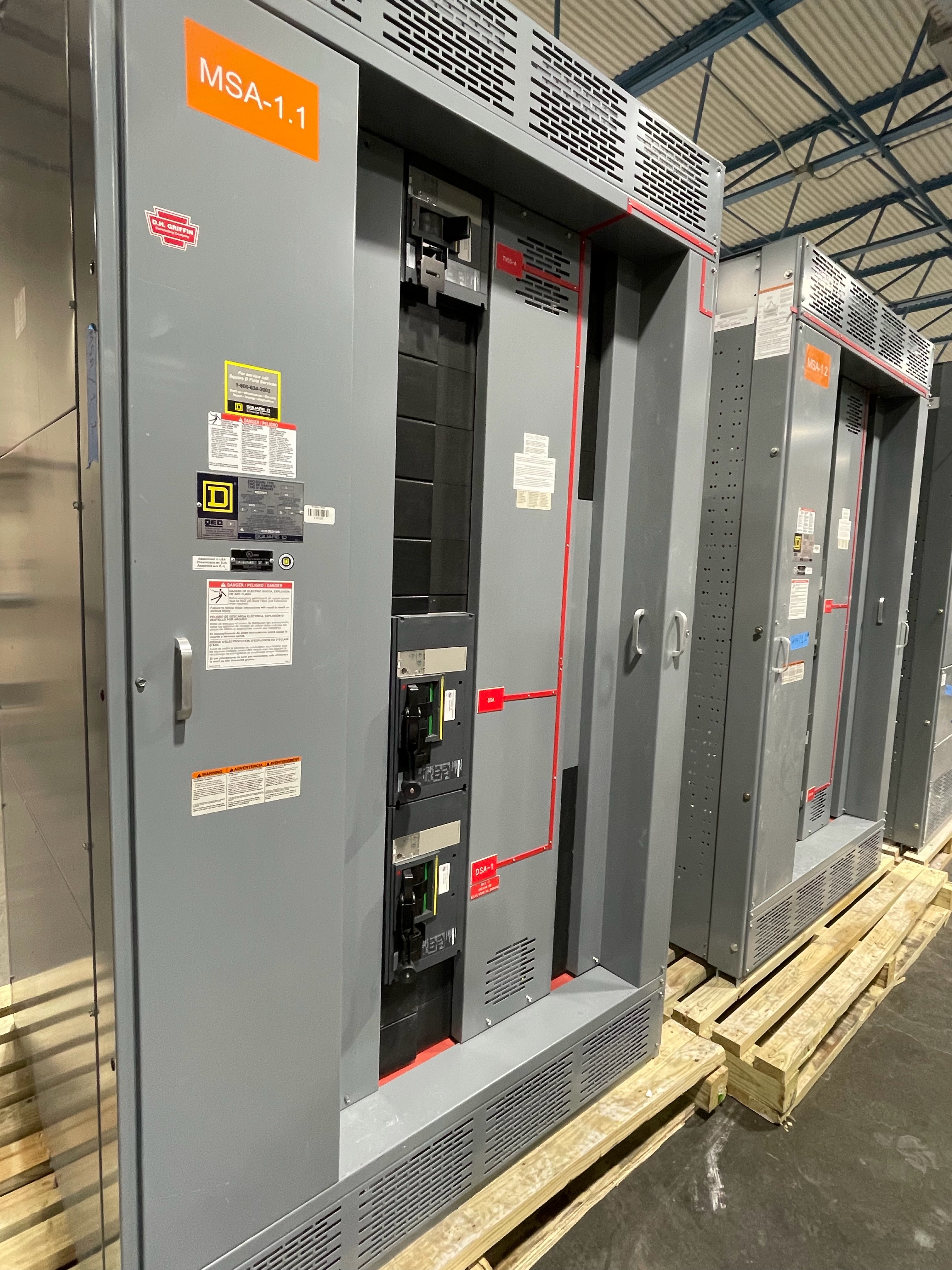
In a food-processing shutdown, repeated washdown can leave clues such as corrosion on cabinet exteriors, damaged paint, or residue around seams. Those observations help describe the equipment, but they do not establish internal condition or suitability for reuse. Do not open enclosures or approach equipment to inspect it; photographs should show only safely accessible exterior surfaces and nameplates from authorized safe positions. Record where equipment stood, if known, and whether the area was routinely washed or exposed to condensation or cleaning chemicals. Distinguish direct observations from assumptions: “surface corrosion visible on exterior” is more useful than declaring a panel failed. A buyer assesses each asset individually, and visible condition alone cannot settle an offer.
Balance production deadlines against accurate inventory
A shutdown schedule may leave little time to sort a line, but rushed descriptions can obscure what is actually available. If equipment must be removed by a particular date, share the deadline early and identify which assets are ready for disposition, which remain in service, and which are excluded. Do not disconnect or move gear to meet a proposed schedule; electrical work and any site work must be performed by qualified, authorized personnel under site rules. A concise inventory can group equipment by line or area while preserving individual nameplate details. That organization helps a buyer assess a possible lot without treating every cabinet as identical or assuming all items can be accepted.
Describe motor controls without guessing at condition
Motor-control equipment can include combination starters, variable-frequency drives, soft starters, and control panels; these are not interchangeable descriptions. Note the equipment type and any legible exterior nameplate information, such as manufacturer, catalog identifier, and stated electrical ratings, without inferring performance from a label. If a drive served a washdown-area conveyor, explain the application as reported, not as proof of a particular enclosure rating or environmental capability. Do not test controls, energize a motor, or remove covers for better photographs. When a label is obscured or unreadable from a safe position, say so. Accurate uncertainty is preferable to an unsupported claim about voltage, function, or operating condition.
Define whether spare buckets are part of the lot
Spare buckets can materially change what a seller is offering, especially when a motor-control center is being separated from a production line. Clarify whether buckets are installed, stored separately, or excluded, and identify quantities only when they can be confirmed safely from existing records or authorized views. An assembly, its individual buckets, and breakers within those buckets are distinct items; do not assume a breaker is included merely because a bucket is listed. Likewise, frame and trip information describe different breaker characteristics, while nominal voltage and equipment ratings need their own documentation. Avoid opening or handling stored electrical components. A clear inclusion list reduces ambiguity without implying that components are compatible or complete.
Document corrosion and equipment identity safely
Build a record from maintenance documents, existing asset lists, and photographs taken only from authorized safe positions. Useful exterior images may show an accessible nameplate, cabinet exterior, or visible surface corrosion; never approach, touch, open, or photograph energized equipment. If the equipment’s status is uncertain, do not attempt to establish it yourself. Ask the site’s authorized electrical personnel what information may safely be gathered and follow access restrictions. Note missing labels, known storage conditions, and whether spare components are included, separating documented facts from recollection. This helps a buyer evaluate the actual inventory rather than a broad description such as “complete line controls,” which can conceal exclusions or uncertainty.
Coordinate a possible pickup and offer around site rules
We buy used, surplus, and decommissioned equipment, including assets from shut-down power plants and decommissioned data centers, and consider equipment across all voltage classes. Sellers do not need to test or prepare equipment; any offer and acceptance are assessed individually. For accepted assets, we can cover disconnects, crane and rigging, loading, freight, and hauling, coordinating access and responsibilities with the site. Electrical work must remain with qualified, authorized personnel following site rules. Share ownership or authority to sell, pickup constraints, and any production-date deadline before a decision is made. If accepted, we offer cash and pay upfront; no particular price, acceptance, or timetable is guaranteed.