Separate authority to sell from permission to enter
A liquidator, trustee, secured party, or authorized representative may have authority to sell specified assets; a facility manager may control keys, escorts, access hours, and site rules without having authority to transfer ownership. Confirm both tracks before treating a listing as available. Ask the seller’s representative to identify who can approve the sale and provide written evidence of authority, such as an applicable asset schedule or signed authorization. Separately ask the site contact who can approve entry and removal. If either role is disputed, pause rather than assume one person can grant both permissions.
Make the release date a separate sale term
An accepted offer does not necessarily mean the equipment can leave immediately. A liquidation sale could be subject to a court process, creditor approval, a closing date, or continued facility use; meanwhile, the manager may prohibit access until utilities or adjacent operations are made safe. Ask for the earliest authorized release date, any approval still outstanding, and the deadline by which collection must occur. Put the release condition and access contact in writing. If the date is uncertain, compare the risk of reserving funds against waiting for confirmation instead of promising a removal window that nobody controls.
Identify exactly which assets are included
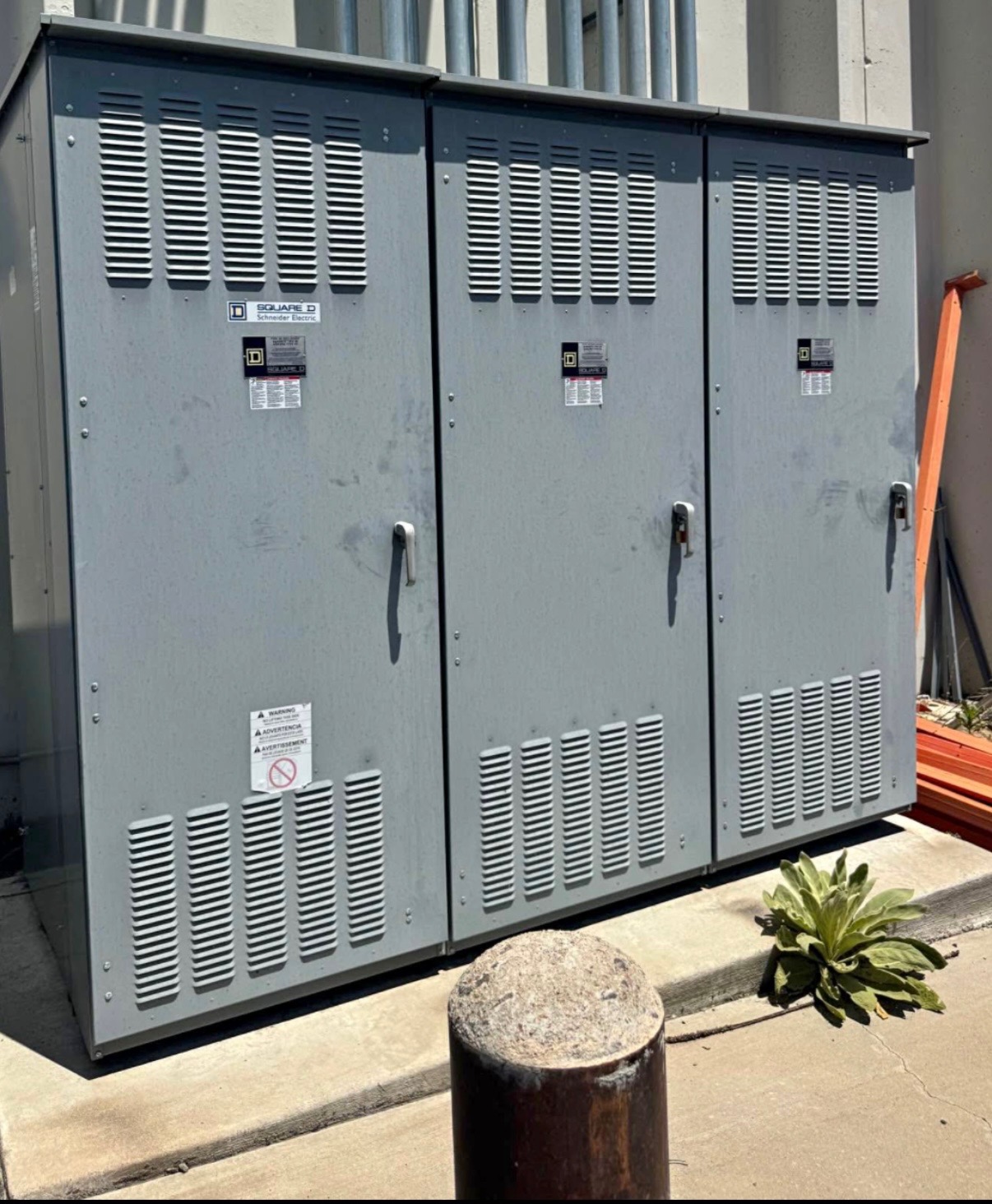
Descriptions such as “switchgear lineup” can blur the boundary between an owned assembly and components that remain part of the facility. Request an inventory tied to readable exterior nameplates and a marked equipment schedule, if safely available. Distinguish the switchgear assembly from individual breakers, and record manufacturer, visible catalog identifiers, frame size, trip unit identification, nominal voltage, and stated ratings only when legible. A breaker’s frame or trip information is not the same as the assembly’s rating. Do not infer compatibility from appearance. Resolve exclusions, attached controls, and disputed ownership before the offer is accepted.
Assess information without asking for seller testing
For surplus from a closed facility, records may be incomplete, but a seller does not need to test equipment or prepare it for sale. A buyer can review available inventories, maintenance documents, and safe photographs of exterior nameplates. Photographs should be taken only from authorized safe positions, without approaching restricted equipment or opening covers. Never ask a seller to operate, test, disconnect, or expose energized gear for documentation. State plainly that condition and suitability are assessed individually and that no universal compatibility conclusion follows from a nameplate. This keeps the sale discussion distinct from technical inspection or a future installation decision.
Coordinate removal around site control and safety
Removal planning must account for who controls the work area, when access is authorized, and what electrical isolation is required. All electrical work, including disconnects, belongs to qualified authorized personnel operating under site rules; the buyer should not treat a sale agreement as permission to perform it. Confirm whether the facility requires escorts, safety orientation, approved contractors, or a particular loading route. If a crane or rigging plan is needed, establish who coordinates it and whether the proposed approach is permitted. The equipment must remain untouched until the responsible site authority has released it for the agreed work.
Compare offers on total removal responsibility
A cash offer paid upfront can simplify a liquidation decision, but compare the written amount and conditions with the seller’s actual obligations. For accepted assets, this buyer purchases surplus equipment across all voltage classes, requires no seller testing or preparation, and pays freight; crane, rigging, disconnects, loading, and hauling can be covered as applicable to the agreed removal. Those arrangements do not override site access rules or guarantee acceptance of any listed item. Ask what assets the offer covers, what release evidence is needed, and how removal costs and responsibilities are assigned before relying on a net proceeds estimate.
Document a handoff that protects both sides
Before collection, align the sale document, inventory, access approval, and release date so they describe the same assets and authorized parties. Identify who will confirm that required approvals are complete, who may admit the removal crew, and who signs a receipt when listed property leaves. If a creditor or court can change the release, specify how the parties will handle a delay rather than treating payment as proof of site permission. Keep records safely and avoid creating new equipment photographs through unsafe access. Clear documentation helps a liquidator account for proceeds while allowing the facility manager to enforce controlled entry.