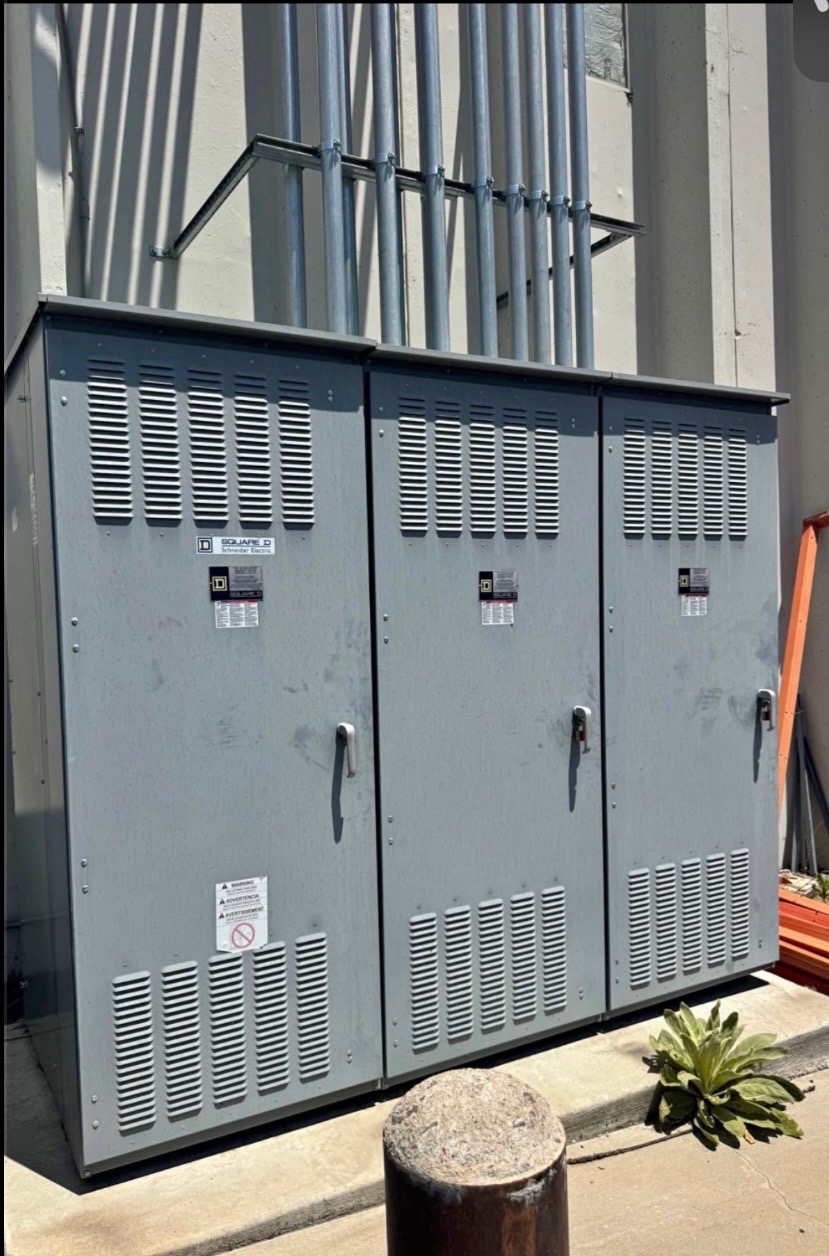
Separate loose breakers from installed units
Begin the inventory by separating loose breakers from those still seated in an installed assembly. A box of three spare breakers is a different lot from three breakers visible in a lineup: the latter remain part of a larger assembly until qualified personnel determine what can be removed. Record each group separately, including its physical location on site and quantity. If a breaker is installed, note the assembly it belongs to rather than presenting it as an independent spare. This avoids a count that looks complete on paper but does not describe what is actually available for pickup.
Build quantities around readable exterior labels
For loose units, count what can be safely viewed and match each count to exterior nameplate or label details. Useful information may include manufacturer, catalog or type designation, frame, trip information, and marked voltage or current ratings, when legible. Do not infer a trip rating from a frame rating, or treat the breaker’s marking as a rating for the whole assembly. If several units look alike but have different labels, keep their quantities separate. Photograph only safely accessible exterior labels from an authorized safe position; never approach or handle equipment to obtain a better image.
Describe incomplete or mixed lots accurately
A mixed breaker lot can be worth documenting even when labels are faded or quantities are small, but uncertainty should remain visible. For example, list “two legible labels, one unreadable label” rather than assigning all three units the same identification. Note whether a breaker is loose, packaged, or still installed; do not claim completeness of accessories or compatibility unless that is established. Brand and model identifiers help distinguish inventory, but they do not by themselves establish suitability for another switchgear lineup. The buyer assesses each asset and offer individually, without a universal compatibility assumption.
Decide whether to offer breakers with the assembly
If breakers remain installed, consider presenting them with the switchgear assembly rather than assuming they should be separated. Keeping them together may preserve useful context about the equipment, while a separate loose-spares lot may make counts and labels easier to review. The practical choice depends on ownership, intended scope, condition information, and what qualified personnel can safely identify. Ask whether the offer should cover the complete assembly, selected installed breakers, loose spares, or a clearly defined combination. Do not remove a breaker to create a separate lot; all electrical work must be performed by qualified, authorized personnel under site rules.
Share records without performing tests
Seller testing is not required. A useful handoff can rely on existing records, safely accessible exterior markings, and an honest description of what is unknown. If available, share equipment schedules, prior inventory sheets, or photographs already taken from safe authorized positions; distinguish those records from current verified counts. Do not energize, open, operate, rack out, disconnect, or handle equipment to confirm a label or condition. When records disagree with visible markings, report both rather than resolving the discrepancy by guesswork. The buyer considers equipment across all voltage classes, with no claim that every item will be accepted.
Plan the pickup around actual site conditions
Pickup planning depends on whether the lot is loose breakers, installed equipment, or both, along with access and loading conditions. Describe the pickup location in Ware County, the equipment’s general placement, known access limits, and whether an assembly remains connected or installed, as reported by site personnel. The buyer covers freight, crane, rigging, disconnects, loading, and hauling as applicable to an individually assessed arrangement; sellers do not need to hire a crew or prepare equipment. Electrical disconnect and removal work must follow site rules and be completed by qualified, authorized personnel—not improvised for pickup convenience.
Request an offer with clear scope and authority
Before requesting an offer, confirm that you own the breakers and any associated assembly, or have authority to sell them. Send the separated quantities, label information, installed-versus-loose status, and known pickup constraints so the review concerns the actual lot. If an offer is made, payment is cash and paid upfront under the agreed transaction; acceptance, price, and logistics are assessed individually, not guaranteed by a label or count. This approach is useful whether the equipment comes from a facility shutdown, including a decommissioned data center or shut-down power plant, or another authorized surplus situation.