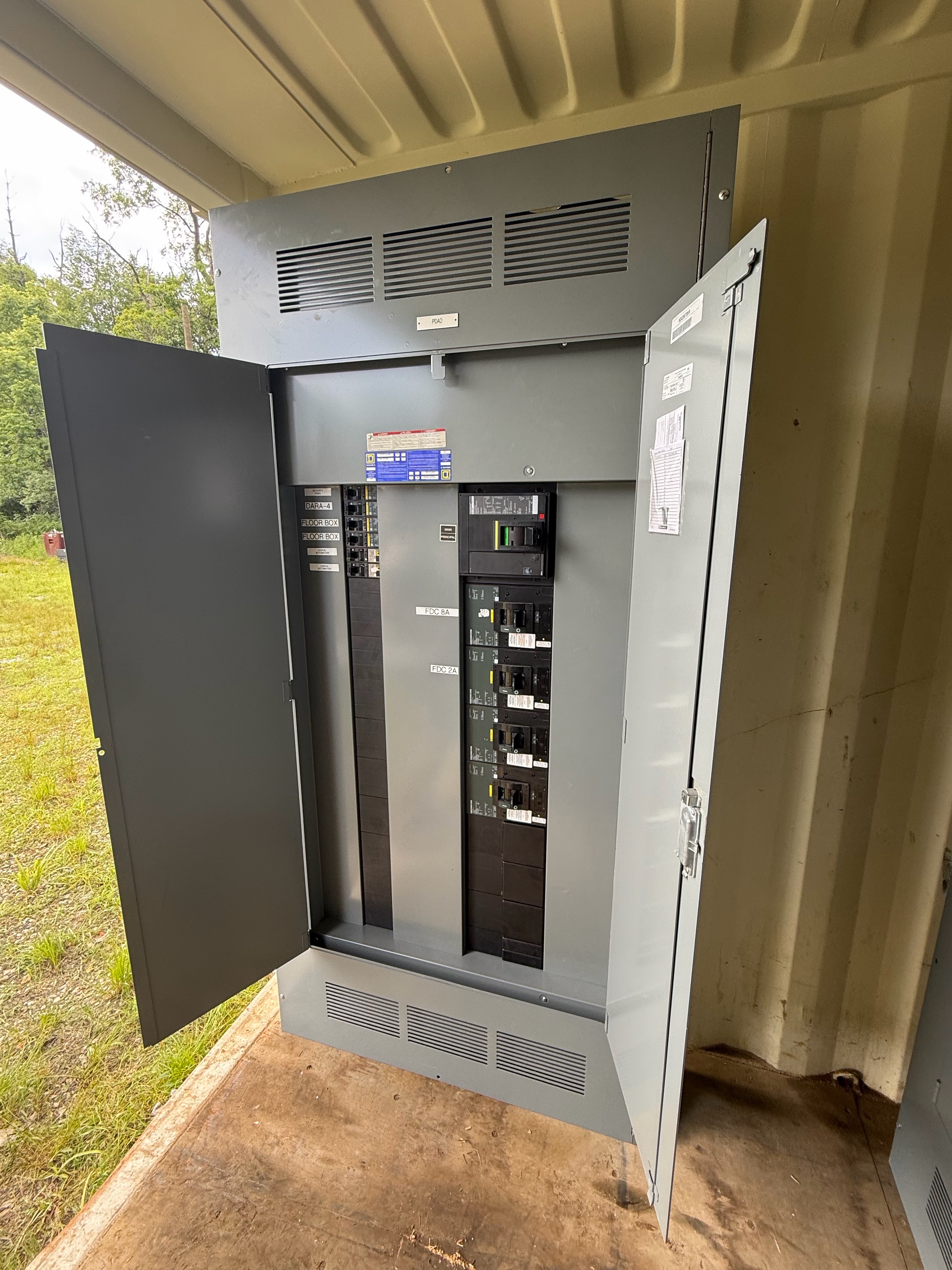
Separate the two release phases before requesting an offer
Start by dividing the inventory into “released now” and “released after shutdown,” rather than presenting everything as one pickup. For each phase, identify the switchgear lineup or individual assemblies by safely accessible exterior nameplate information, general description, and quantity. Note whether a section is complete, has a missing breaker, or is being offered as a separate assembly; do not assume a breaker’s ratings describe the entire lineup. This division helps clarify which assets can be assessed independently and which depend on an operating system’s shutdown. Offers and acceptance are assessed individually, so provide the buyer with the proposed release sequence and ask how each phase should be documented.
Confirm what “released” means for each phase
“Released now” should mean the seller has authority to sell the identified equipment and has confirmed it can be made available under site rules—not that it is safe to handle or already disconnected. For the later phase, record the shutdown approval required, the party responsible for confirming the release, and any conditions that could change the date or scope. If a lineup remains part of an operating electrical system, qualified authorized personnel must determine when electrical work can occur and perform it under site procedures. Keep commercial release separate from electrical clearance. Ask who can authorize each phase and what written confirmation the buyer will need before arranging its respective pickup.
Plan a distinct pickup for equipment released now
For the first phase, assess the actual access route and loading area without approaching or handling electrical equipment. Record available access hours, truck restrictions known to the site, staging limitations, and whether a crane or other rigging approach may need review. Share safe, authorized exterior photographs only if they can be taken from an approved position without approaching energized equipment; never open a cabinet or move gear to get a picture. Agree on the phase-one asset boundary and pickup conditions before scheduling. A smaller initial load may reduce interference with ongoing operations, but it can also require a separate mobilization and freight plan from the later release.
Make the shutdown-phase pickup conditional and specific
The second pickup should be planned around the facility-approved shutdown, not treated as a guaranteed continuation of the first visit. Ask what must happen before the equipment is available, who confirms completion, and how the buyer will be notified if the scope or access changes. For example, if the shutdown exposes that a planned section must remain in service, the seller and buyer can revisit that phase’s asset list without confusing it with gear already released. Qualified authorized personnel handle disconnects and other electrical work under site rules. Separating that work from the buyer’s removal scope helps define responsibilities; do not assume the buyer performs electrical isolation or facility shutdown tasks.
Compare the costs and certainty of two mobilizations
A phased sale can preserve operations while releasing available assets sooner, but two visits may mean separate crane, rigging, loading, and hauling arrangements. A combined pickup may reduce duplicate logistics if both phases become available together, yet waiting for shutdown approval could delay the first release. Ask for cash offers and confirm payment terms, including upfront payment, for the assets being considered; do not treat either phase’s offer as guaranteed until assessed. The buyer covers freight and can cover crane, rigging, disconnects, loading, and hauling as agreed for the applicable scope. Clarify which phase each arrangement covers, since access and equipment needs may differ between pickups.
Document ratings, authority, and phase changes safely
For each phase, keep a dated inventory with exterior nameplate details that are safely accessible, the seller’s ownership or authority to sell, and any known omissions. Distinguish assembly identification from breaker information, and record frame, trip, nominal voltage, and ratings only when legible from a safe authorized position; these are not interchangeable descriptions. The buyer purchases across voltage classes and does not require seller testing, but individual equipment remains subject to assessment. If a shutdown changes the planned inventory, update the release list and pickup plan rather than relying on an informal verbal change. Do not test, open, disconnect, move, or prepare gear for photographs; leave all technical electrical work to qualified authorized personnel.