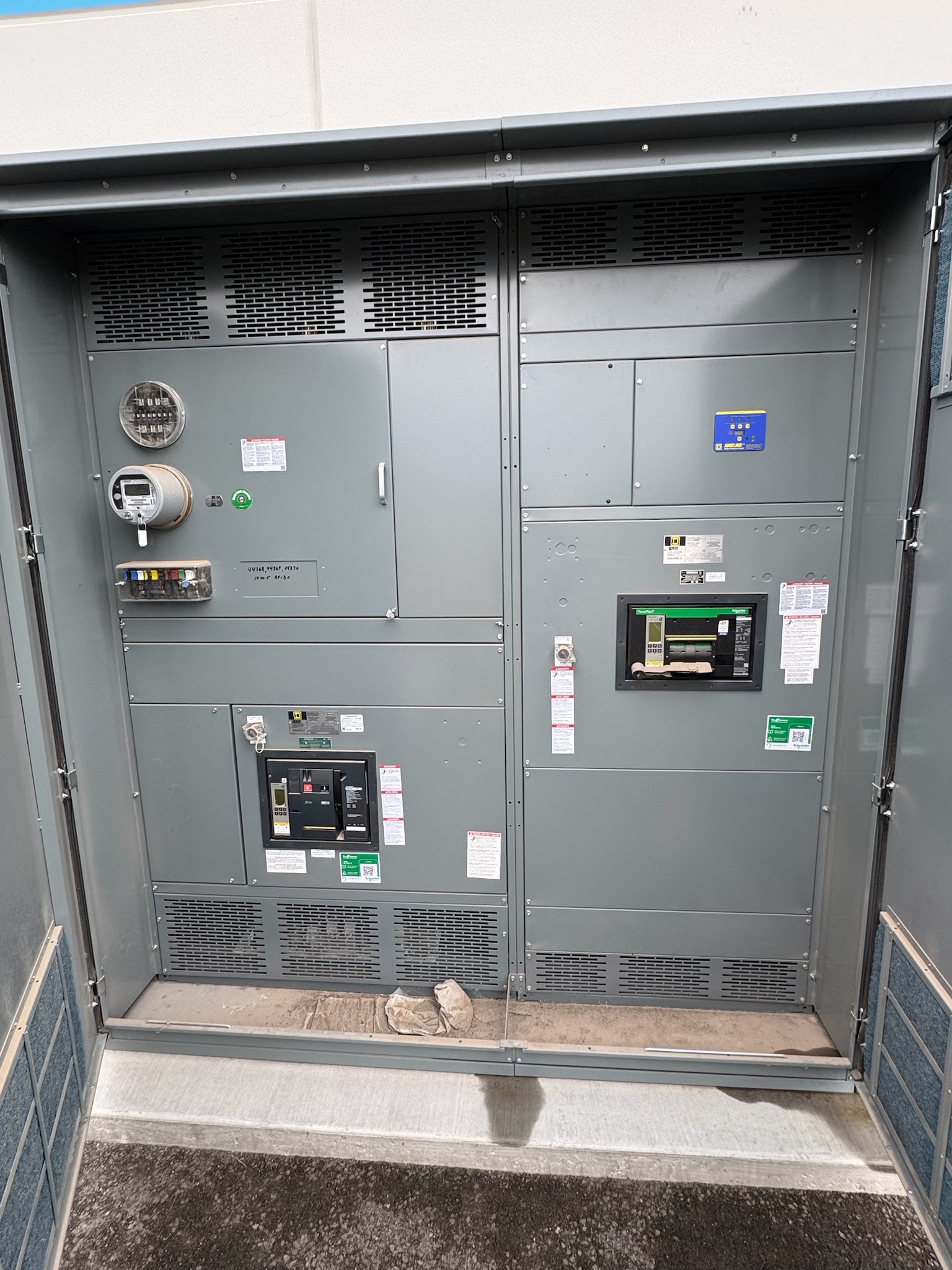
Use the marking as an identifier, not a specification
A safely visible Westinghouse name or logo is a useful starting point for describing an asset; it does not establish who made every component, the equipment’s product lineage, or whether a particular breaker fits an assembly. Record the exact wording and model or catalog markings as they appear, preserving letters, numbers, punctuation, and any separate assembly and breaker identifiers. Note whether a marking belongs to the enclosure, switchboard, breaker, or another component, if that distinction is safely apparent. Do not infer a rating or compatibility from the brand name. A buyer can review the identification alongside other information and assess the equipment individually, without representing any affiliation or authorized-dealer relationship.
Describe incomplete records without filling in the gaps
Legacy equipment may be offered with complete documentation, scattered paperwork, or no records beyond visible nameplates. State what is actually available: for example, a model marking is readable but the drawings, breaker schedule, or maintenance history could not be located. Distinguish a missing document from a confirmed equipment fact; absent paperwork does not establish condition, age, prior service, or suitability. If records identify a nominal voltage, frame, trip unit, or interrupting rating, transcribe the document’s wording and note its source rather than substituting an assumption. Where records conflict with a marking, identify the discrepancy for review. This gives an independent buyer a clearer basis for an individual assessment without asking the seller to resolve technical questions.
Report observable condition, not unverified performance
Describe exterior condition only from an authorized, safely accessible position: visible corrosion, dents, missing external covers, damaged packaging, or an unreadable nameplate may be useful observations. Make clear whether a detail is observed or unknown; a clean exterior does not prove internal condition, and visible deterioration does not by itself determine whether equipment will be accepted. Never approach, open, touch, operate, test, disconnect, remove, move, or handle energized equipment, including to improve a photograph. Electrical work and any access requiring it belong to qualified, authorized personnel following site rules. A seller is not required to test equipment or prepare it for evaluation. If safe access is unavailable, report that limitation rather than seeking a closer view.
Keep ratings and component identities separate
When documentation is available, keep each rating tied to the item it describes. An assembly’s nominal voltage is not automatically the breaker’s voltage rating; a frame designation is not the same as a trip setting, and a bus or switchboard rating should not be attributed to an individual breaker without support. These distinctions matter when a Westinghouse mark appears on one component within a larger assembly, or when replacement parts and records are mixed. Share legible, safely obtained markings and identify uncertainty plainly. Do not conclude that a breaker is interchangeable, that equipment is compatible with a present installation, or that a particular voltage class has a given specification based on brand identification alone. Assessment remains equipment-specific.
Discuss ownership, scope, and sale terms clearly
Before arranging an assessment, establish that you own the equipment or have authority to sell it, and describe what is included: a complete assembly, separate breakers, associated components, or only identified items. If equipment came from a decommissioned data center or a shut-down power plant, that context can help explain the source, but it does not replace item-level identification or prove condition. This independent buyer purchases used, surplus, and decommissioned electrical equipment across all voltage classes; offers are assessed individually, with no guaranteed acceptance or price. For equipment considered, the buyer offers cash and pays upfront. No seller testing is required. Ask what visible identifiers and records would help evaluate the specific items, and disclose known exclusions or ownership limits.
Confirm safe logistics before any removal
If an offer is accepted, agree on the included equipment and removal scope before scheduling logistics; an offer does not establish that every item will be accepted. The buyer covers freight and hauling and covers crane, rigging, disconnects, and loading as applicable to the agreed work. Electrical disconnects and other technical electrical tasks must be performed by qualified, authorized personnel under site rules, with access controlled by the responsible site party. Do not disconnect, rack out, dismantle, or move equipment yourself, and do not assume unrelated demolition or hazardous-material remediation is included. Clarify site access, equipment boundaries, and any restrictions through authorized contacts. This helps keep the sale discussion grounded in the actual assets while leaving electrical decisions and work with qualified personnel.