Keep feeder voltage separate from assembly rating
A feeder schedule may list the nominal voltage of the electrical system served by a switchgear lineup. That entry does not establish the switchgear assembly’s voltage rating. Record the schedule value as “nominal system voltage,” and leave “assembly voltage” unknown unless a reliable equipment record supports it. Do not derive one from the other, from a remembered site description, or from a nearby device label. A buyer can review the distinction with the documents available; a missing rating is a recorded unknown, not a reason for the seller to investigate the equipment physically.
Build an evidence-based equipment record
Useful existing material may include equipment schedules, asset lists, purchase or maintenance records, and drawings already retained by the site. Transcribe the source and date where available, and distinguish documented facts from estimates or notes. If records separately show continuous current, device frame, trip, or interrupting ratings, list each under its own heading; none should be inferred from another. A nameplate may help identify equipment, but only use information already captured safely or visible from an authorized position. No seller testing, measurement, staging, fabrication, or new technical verification is required to request an assessment.
Make uncertainty useful, not misleading
For each missing or conflicting value, mark “unknown” or note the discrepancy and its source. For example, a feeder schedule might support nominal system voltage while available documentation does not establish assembly voltage. That is more useful than presenting the feeder value as the assembly rating. Likewise, do not treat a frame rating as a trip setting, or assume an interrupting rating from a current rating. Buyers assess each opportunity individually, and incomplete records may affect what can be considered. A clear account of uncertainty helps avoid unsupported claims without requiring the seller to resolve every gap.
Describe condition and scope from records
Alongside identification, note what the existing inventory says about quantity, lineup arrangement, known status, and whether the equipment is surplus or associated with a retirement. Separate recorded condition from opinion, and flag anything that has not been confirmed. Do not promise that an asset will be accepted based on a schedule or photograph; each offer and acceptance is assessed individually. We consider used, surplus and decommissioned electrical equipment across all voltage classes. That includes potential equipment from decommissioned data centers and shut-down power plants, subject to an individual review of the available information and proposed purchase scope.
Share only safely accessible exterior views
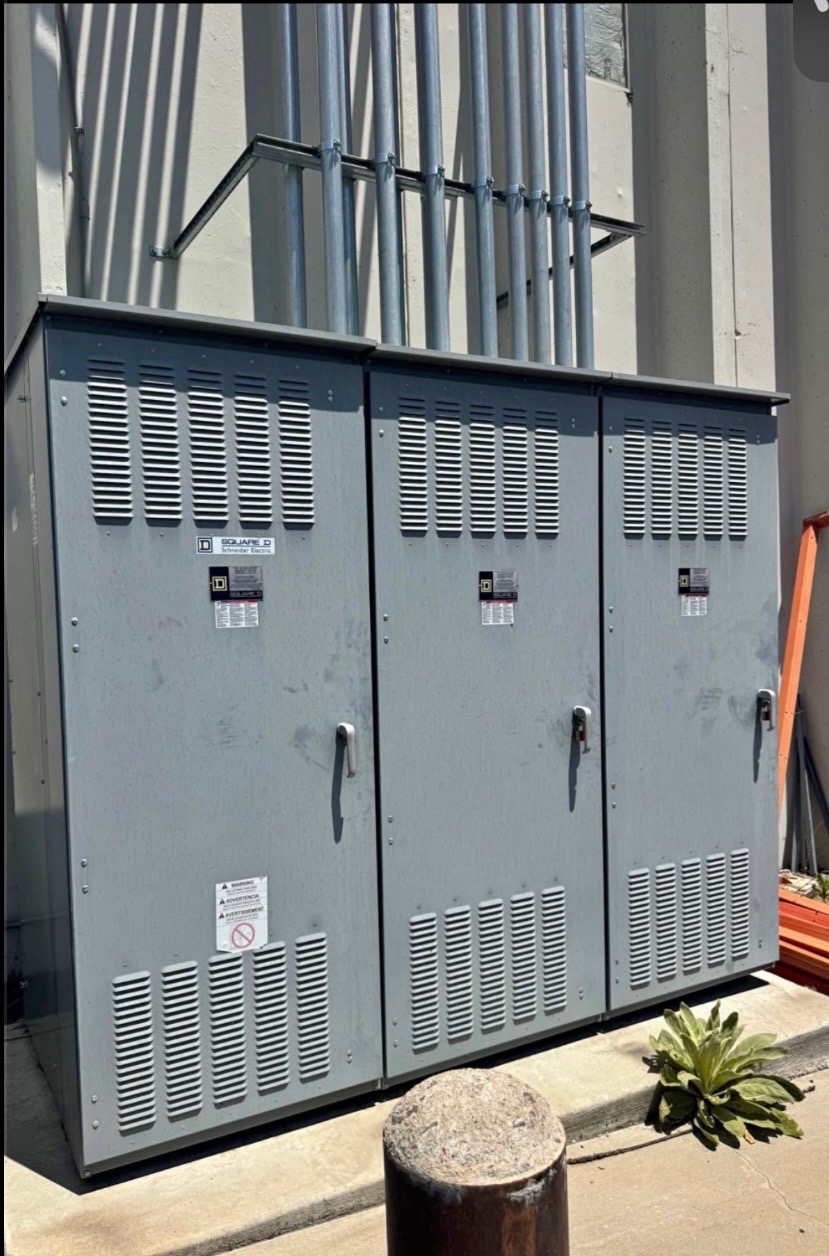
If photographs would help identify an opportunity, limit them to safely accessible equipment exteriors and exterior labels or nameplates, taken from positions authorized by the site. Never open a cabinet or provide interior photographs. Do not approach, touch, operate, test, disconnect, remove, or move energized or potentially energized equipment to gather information. Follow site access controls and stop if a safe, authorized viewing position is unavailable. Any electrical work, including isolation or disconnection, must be performed only by qualified, authorized personnel under site rules—not by a seller preparing equipment for a buyer inquiry.
Agree removal responsibilities before handover
With an agreed equipment purchase, the buyer pays for required electrical disconnects, crane and rigging services, loading, hauling and freight. The seller does not hire or pay a removal crew. Confirm site access, scheduling contacts, safety requirements, and the handover boundary between the parties before work is arranged. The buyer’s logistics responsibility applies to the agreed purchase; it is not a commitment to demolish unrelated structures or remediate hazardous materials. No one should move equipment outside the authorized plan, and site rules remain in force throughout any approved work.
Request an assessment without a price assumption
Provide the records already available, identify the equipment location as Douglasville, Georgia, and label unknown ratings plainly. Do not commission tests or arrange measurements just to submit an inquiry. We make cash offers and pay upfront for agreed purchases, with payment and scope confirmed for that individual transaction. Neither price nor timing is guaranteed before review and agreement. If the documents support only a partial identification, say so; the assessment can account for that limitation. A clear record and defined handover discussion give both sides a practical basis to decide whether to proceed.