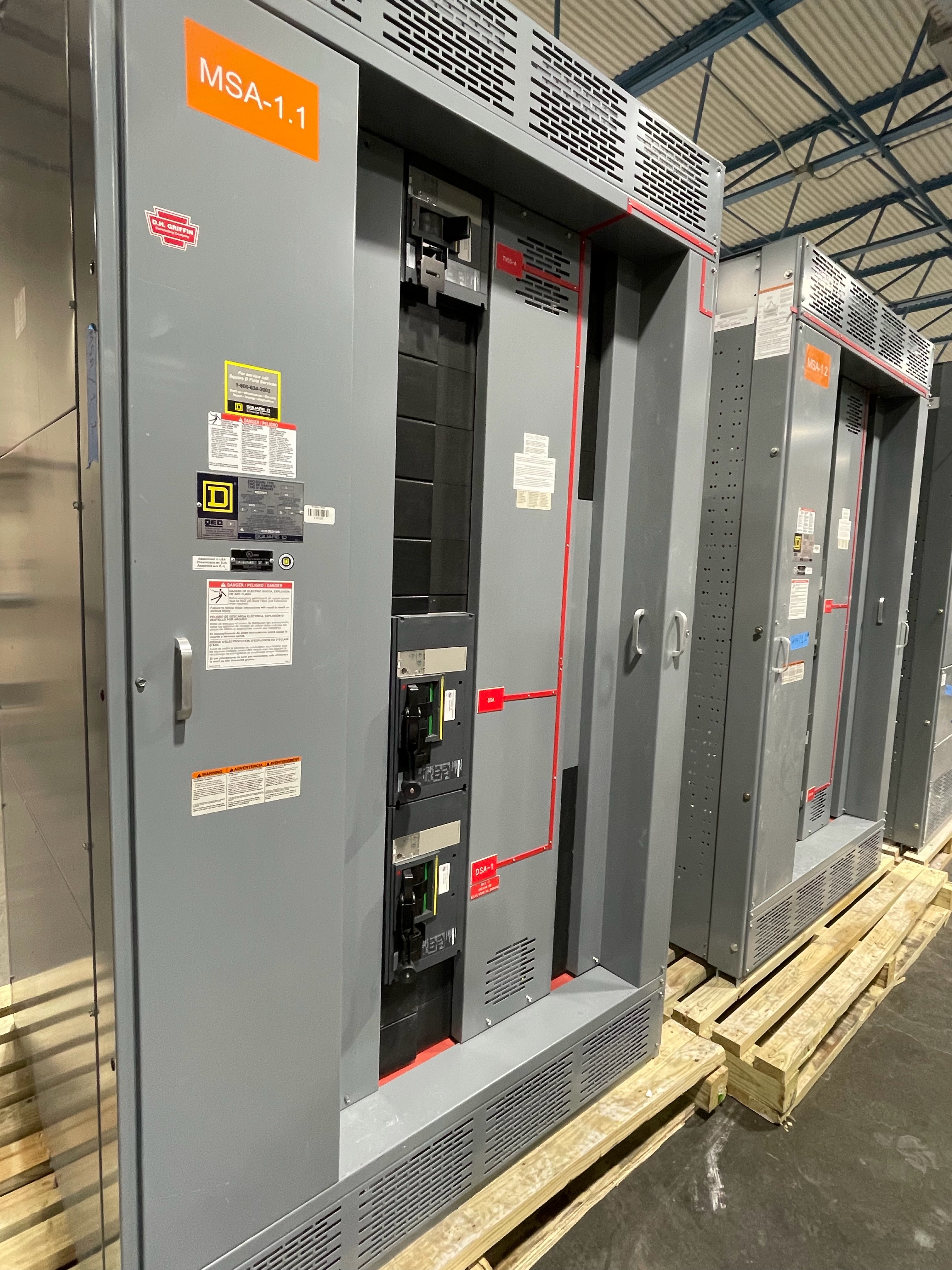
Start with authority and an exterior inventory
Before a basement removal is considered, confirm that you own the equipment or are authorized to sell it. Build an inventory from records and observations made from an authorized safe position: equipment type, approximate quantity, visible maker and catalog information, and safely accessible exterior nameplates. Do not approach or touch energized gear for a closer look or photograph. If a label is obscured, note that rather than trying to expose it. Identify whether the asset is a switchboard, switchgear lineup, transformer, or separate breaker; those distinctions help the buyer assess what is actually offered, without assuming that a photographed enclosure represents its complete contents.
Map the route before comparing removal options
For a basement, the elevator may be the only practical route—or it may not be usable for this load. Ask building management or the responsible site contact for approved elevator dimensions, door clearance, cab capacity, permitted loading, service restrictions, and access windows. Include corridor widths, turns, thresholds, stair alternatives, and the destination for staging. These are planning inputs, not measurements to obtain by moving gear or entering a restricted area. A unit that fits through a doorway may still be too long to negotiate a turn. Document known dimensions and uncertainties separately so the buyer can assess whether the proposed path is feasible.
Resolve floor-load and access approval early
Published elevator capacity does not establish that every floor, landing, or route can support concentrated loads. If weight or point-load limits are unknown, request guidance from the building’s authorized facilities contact or structural professional; do not infer capacity from appearance. Confirm who can approve elevator use, protective coverings, staging, loading-area occupancy, and any required insurance or work documentation. A longer route through an approved service entrance might avoid an unsuitable elevator, but it can add handling, coordination, and scheduling constraints. Share restrictions and approval status before a removal plan is accepted, rather than treating access permission as a detail to settle on removal day.
Compare the value of removal paths, not just the offer
Discuss alternatives such as an approved elevator route, a permitted service route, or a crane lift where the site allows one. Each has different requirements: crane access and lift planning, rigging clearances, staging space, and building authorization. A route with fewer turns may still be impractical if loading access is restricted; a crane option may be unavailable or uneconomic for a particular assembly. The buyer can assess crane, rigging, disconnects, loading, freight, and hauling as part of a proposed transaction, with buyer-paid freight where agreed. No path or service should be assumed until the equipment, site constraints, and responsibilities have been reviewed.
Describe electrical condition without seller testing
No seller testing or preparation is required. Provide available records, known condition information, and safe exterior photographs rather than attempting to operate, open, disconnect, or move equipment. Electrical work—including determining whether equipment is energized, isolation, disconnects, and removal—belongs to qualified, authorized personnel under site rules. If a breaker is included, distinguish it from the assembly and report visible identification only: breaker type, frame, trip unit, and ratings are not interchangeable terms. Note nominal system voltage and any visible rating separately when known; do not infer compatibility from voltage alone. The buyer buys equipment across all voltage classes, but acceptance and offers depend on individual assessment.
Agree on scope, payment, and handoff
Once access and inventory information are available, request an individual assessment and clarify in writing which assets are included, who coordinates building approvals, and how the approved removal route will be handled. The buyer offers cash and pays upfront, with the timing and transaction details confirmed for the specific sale; do not treat an offer or acceptance as guaranteed. Establish the handoff boundary for authorized electrical disconnects, rigging, loading, and hauling, and identify who controls access on site. If the route, load limits, or approval changes, pause the plan for review by the responsible parties. A clear scope avoids confusing equipment purchase with unrelated demolition or remediation work.