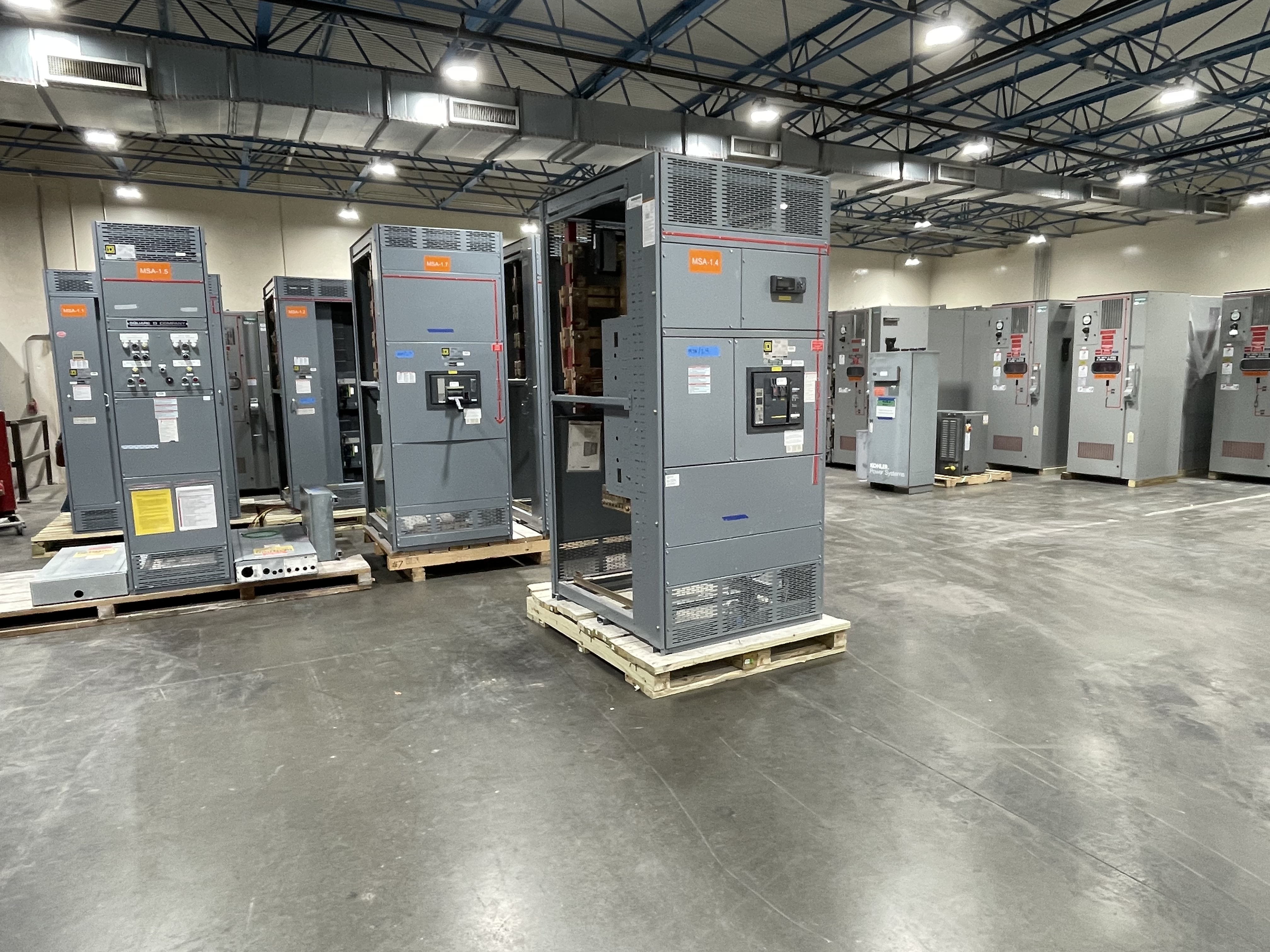
Start with the transfer and storage timeline
For a lineup whose custody changed with a property, build a timeline from documents already held: transfer inventories, removal or storage records, photographs, and correspondence identifying the equipment. Note gaps without filling them with assumptions. Record where and when the equipment was last documented, whether the records describe storage conditions, and whether later access or alterations are known. If dates or custody are uncertain, say so plainly. A conditional assessment can consider incomplete history, but an unexplained interval may limit what can be concluded or offered; it does not establish condition by itself.
Record markings exactly as shown
Transcribe visible exterior nameplate information and other markings only when supported by existing records or safely accessible exterior views. Preserve spelling, punctuation, and any legible model or serial identifiers; label illegible fields as unreadable rather than guessing. Do not infer that a Westinghouse marking identifies a specific lineage, manufacturer relationship, product family, or present-day compatibility. Ratings also require careful distinctions: nominal system voltage, assembly voltage, continuous-current rating, device frame, trip rating, and interrupting rating are separate values. Report each only when a record supports it, and identify the document source.
Separate observations from uncertain modifications
Describe only external observations that someone is authorized to make from a safe position, such as visible enclosure condition or labels. Distinguish a documented alteration from a suspected one, and list the evidence and date for each. Missing panels, changed paint, or a changed external marking may warrant clarification but do not prove what was modified inside. Do not open a cabinet, remove a cover, or seek interior photographs. If the modification history is unknown, state that directly; the buyer can decide whether the available information supports an offer assessment without asking the seller to investigate electrically.
Assemble a useful record packet
Existing inventories, title or transfer records, storage documents, prior photographs, and available maintenance or removal records can help identify what is being considered. Include the equipment’s location and access constraints, the approximate quantity, and any known separation between lineup sections, if documented. Do not fabricate a complete bill of materials where records are missing. For images, provide only photos of safely accessible equipment exteriors and exterior labels or nameplates, taken from site-authorized safe positions. Never enter a restricted area or approach equipment to improve a picture. No measurements, testing, staging, or seller preparation are required.
Keep the safety boundary clear
Never approach, touch, open, operate, test, disconnect, remove, or move equipment that is energized or potentially energized. Do not ask site personnel to perform those actions for a sale inquiry. Any electrical work, including work needed to establish a safe condition, must be performed only by qualified, authorized personnel under applicable site rules. A buyer’s review of exterior information is not an electrical inspection or a declaration that equipment is safe. If safe access is not already authorized, rely on records instead of seeking additional views or access.
Plan removal only after agreement
Alpharetta-area site access, loading space, scheduling, and property rules can affect handover planning, so disclose known restrictions and identify the site contact for coordination. For an agreed purchase, the buyer covers necessary crane, rigging, disconnects, loading, freight, and hauling under the agreed arrangement. The seller does not hire or pay a removal crew. This applies to the agreed equipment and scope; it is not a commitment to demolish unrelated structures or remediate hazardous materials. No removal starts merely because records or photographs have been submitted.
Assess the offer without assuming acceptance
The independent buyer considers used, surplus, and decommissioned electrical equipment across all voltage classes, including equipment from decommissioned data centers and shut-down power plants. For an agreed purchase, the buyer makes a cash offer and pays upfront as agreed. Each asset, record set, access plan, and acceptance is assessed individually; there is no guaranteed price or timing, and a review does not promise acceptance of this lineup. Provide known facts and uncertainties together so the assessment can reflect both. A clear record trail helps avoid treating an uncertain storage history as a verified condition.