Start with identification, not assumptions
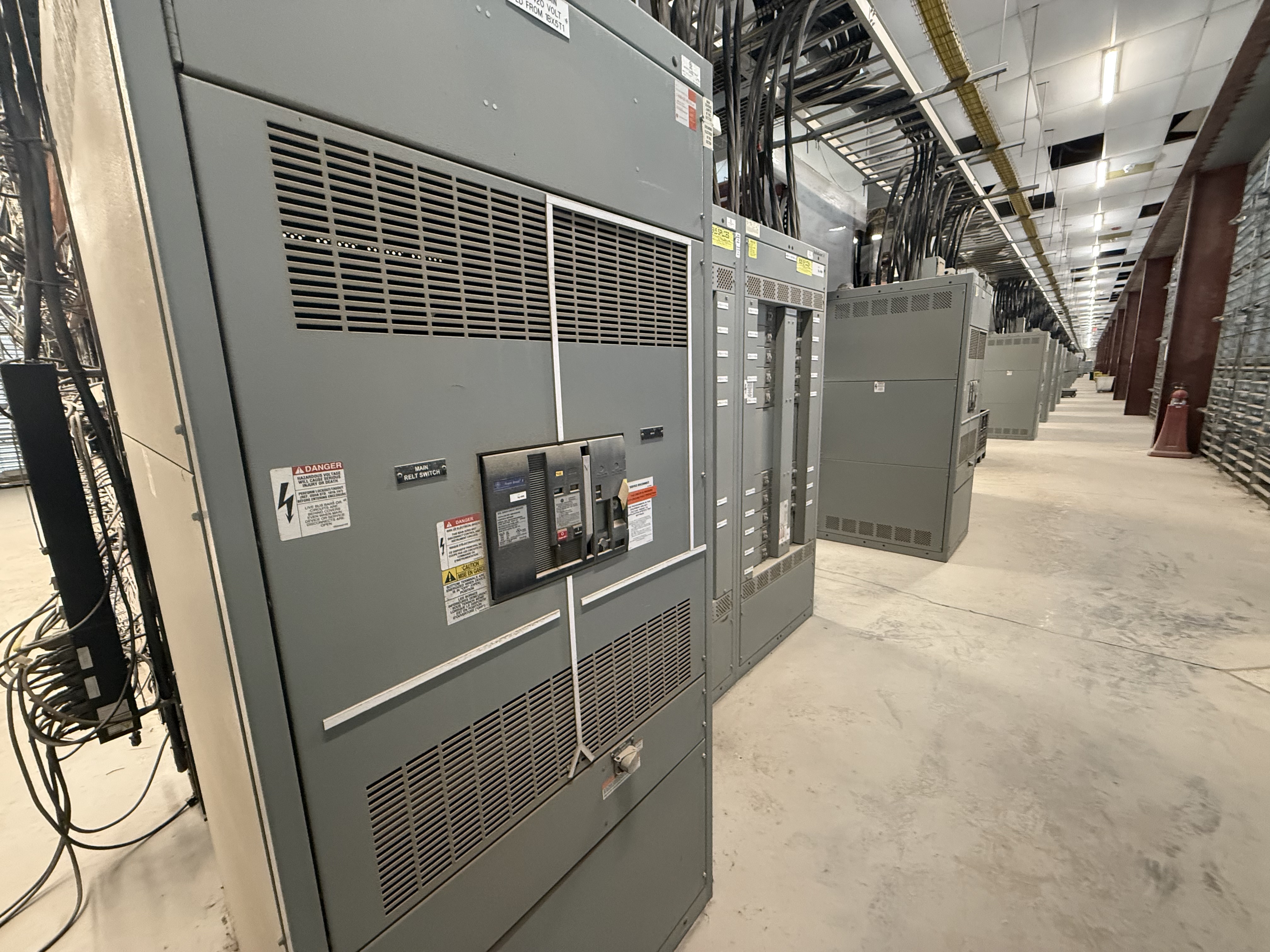
Describe the equipment using the exact manufacturer marking and wording visible on existing documents or safely accessible exterior nameplates. Include any recorded model, catalog, serial, section, or lineup identifiers only when available; do not infer a product family or origin from an Eaton label. Identify whether the item is a motor control center, an individual section, or an uncertain assembly based on records rather than inspection. An independent buyer makes no manufacturer-affiliation claim. Clear, precise identification helps assess a possible purchase without suggesting compatibility with other equipment.
Explain water exposure as a history
For an assembly with possible water exposure, report the known event, approximate timing if documented, and what is known about later storage. Distinguish firsthand observations from estimates or information passed along by others. State whether records mention flooding, a roof leak, sprinkler discharge, or another source only when that information exists. Do not diagnose damage, infer internal condition, or describe the equipment as safe or serviceable. If the history is incomplete, say so plainly. The buyer can consider disclosed facts, but acceptance and valuation remain specific to the individual assessment.
Use records that already exist
Useful material may include purchase or asset records, maintenance history, removal inventories, storage notes, and prior inspection reports already held by the owner. Provide recorded ratings only as written and keep distinct values distinct: nominal system voltage, assembly voltage, continuous current, device frame, trip, and interrupting ratings are not interchangeable. Do not calculate missing values or assume that a rating applies to every section. No seller testing or new measurements are required to request an assessment. If documents conflict, share the discrepancy rather than choosing a value or resolving it through hands-on investigation.
Set limits and disclose what is excluded
Clarify whether the proposed sale concerns a complete lineup, identified sections, or only specific associated items, using existing inventories where possible. Note known missing components or exclusions without opening cabinets or checking interiors. A buyer may decline an asset after review; a request for an offer is not a commitment to accept everything at a site. Purchasing equipment from all voltage classes is part of the buyer’s scope, including surplus material from decommissioned data centers and shut-down power plants, but voltage class alone does not establish value, condition, or acceptance.
Share exterior information safely
Photographs are optional and should show only safely accessible exterior surfaces or exterior labels and nameplates, taken from positions authorized by site management. Keep cabinet doors closed; do not seek interior views. Never approach, touch, open, operate, test, disconnect, remove, or move equipment that is energized or could still be energized. Do not arrange a special inspection to gather details for a quote. Any electrical work or access to controlled areas must be handled solely by qualified personnel authorized under the site’s rules; if safe access is uncertain, rely on existing records instead.
Agree on removal responsibilities before scheduling
For a purchase both sides approve, the buyer covers the necessary crane service, rigging, electrical disconnect work, loading, freight, and hauling as agreed for that transaction. The seller is not expected to hire or pay a removal crew. Pickup planning follows site access requirements, equipment status, and an agreed scope; neither a removal date nor an offer amount is guaranteed before review and coordination. Do not prepare equipment, stage it, or arrange lifting. Site personnel retain control of access, permits, and safety procedures throughout any approved handover.
Make a practical purchase inquiry
Send the location in Woodstock, available identification, the known water-exposure and storage history, existing records, and a clear account of what is included or excluded. Mention access constraints or an uncertain electrical status without attempting to resolve them yourself. The buyer reviews each opportunity individually, then may make a cash offer for an agreed purchase; payment is made upfront under the accepted terms. An offer, acceptance, and timing are not guaranteed. This measured approach gives both parties a basis to discuss the equipment without asking the owner to test, handle, or prepare it.