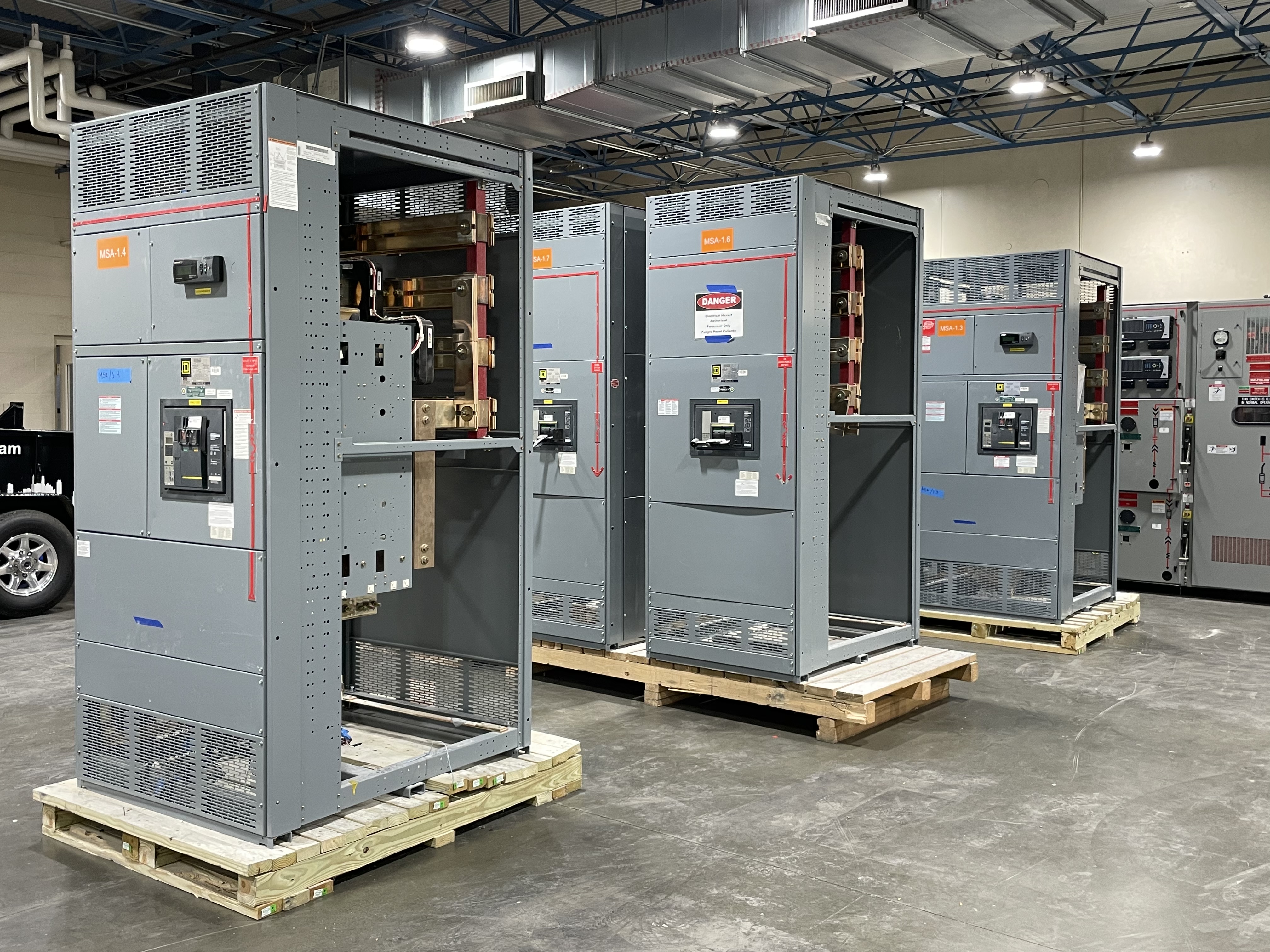
Start with the exact marking, not an assumed product identity
For an initial assessment, report the wording and numbers visible on the equipment’s exterior nameplate or labels, along with any inventory description already in your records. A Square D marking identifies what is marked; by itself, it does not establish manufacturer affiliation, origin history, product line, condition, compatibility, or complete electrical ratings. If available, include quantity, broad equipment type, present storage status, and whether panels are grouped or recorded individually. Do not open a cabinet to confirm details or create new documentation. Photos should show only safely accessible exteriors and exterior labels, taken from site-authorized safe positions. Keep uncertain, missing, or illegible details identified as unknown rather than filling gaps by inference.
Separate warehoused panels from panels still installed
Describe warehouse-held items separately from panels remaining in a building or electrical installation. For warehoused equipment, existing inventory records may help establish item counts, location within the seller’s records, and whether items are already released for disposition; sellers need not stage or move them for a request. For installed panels, the important question is whether an authorized site plan could permit release, not whether the seller can disconnect or remove them. Never approach, touch, operate, test, disconnect, remove, or move equipment that is energized or potentially energized. Electrical work and any authorized release activity must be handled only by qualified, authorized personnel under site rules. A purchase assessment does not authorize site access or electrical work.
Record two possible release windows
To make timing discussion concrete, provide two possible release windows if your organization can identify them: one for equipment already warehoused and one for still-installed panels after an authorized release plan may be available. These are planning possibilities, not guaranteed collection dates. Note any known approval process, access restrictions, or site blackout periods already documented by the responsible team; do not promise a shutdown or alter operations for a prospective buyer. A buyer can consider whether a proposed window works after reviewing the equipment and logistics. Availability, acceptance, and timing are individually assessed, and neither an offer nor an initial discussion guarantees purchase. If only one window is known, state that clearly and leave the other unconfirmed.
Use existing records and keep ratings distinct
Useful records may include existing asset lists, purchase or disposal records, exterior-label transcriptions, prior photographs, and available maintenance or configuration documents. Share only records you are authorized to provide. Report a rating only when an existing record supports it, and identify its source. Keep nominal system voltage distinct from assembly voltage; keep continuous current distinct from device frame, trip, and interrupting ratings. These values are not interchangeable, and one recorded value does not establish another or prove compatibility. If records conflict, are incomplete, or do not identify the specific panel, flag the uncertainty rather than resolving it through testing. No seller testing, measurement, fabrication, or internal inspection is required to request an assessment.
Understand the offer and removal arrangement
The independent buyer makes cash offers and pays upfront for agreed purchases; the terms and timing are confirmed for each accepted transaction, not guaranteed in advance. The buyer purchases used, surplus, and decommissioned electrical equipment across all voltage classes, including equipment from decommissioned data centers and shut-down power plants. For an agreed purchase, the buyer covers necessary crane, rigging, disconnects, loading, freight, and hauling under the agreed arrangement. The seller does not hire or pay a removal crew. Any disconnect or other electrical work remains subject to site rules and must be performed only by qualified, authorized personnel. An offer for some listed items does not mean every panel or related material will be accepted.
Plan a safe, defined handover
Before any handover, agree in writing which identified items are included, the release conditions, the applicable timing window, and how authorized site personnel and the buyer’s logistics providers will coordinate. Do not create access, interrupt service, or prepare equipment for collection yourself. Never approach, touch, open, operate, test, disconnect, remove, or move energized or potentially energized panels; do not take internal photos or photograph with a cabinet open. Exterior photographs are limited to safely accessible views and exterior labels or nameplates from site-authorized safe positions. The purchase assessment does not include unrelated demolition, hazardous-material remediation, or work outside the agreed equipment transaction. If site status or release authority is unclear, leave the item unhandled and resolve the issue through the responsible site team.