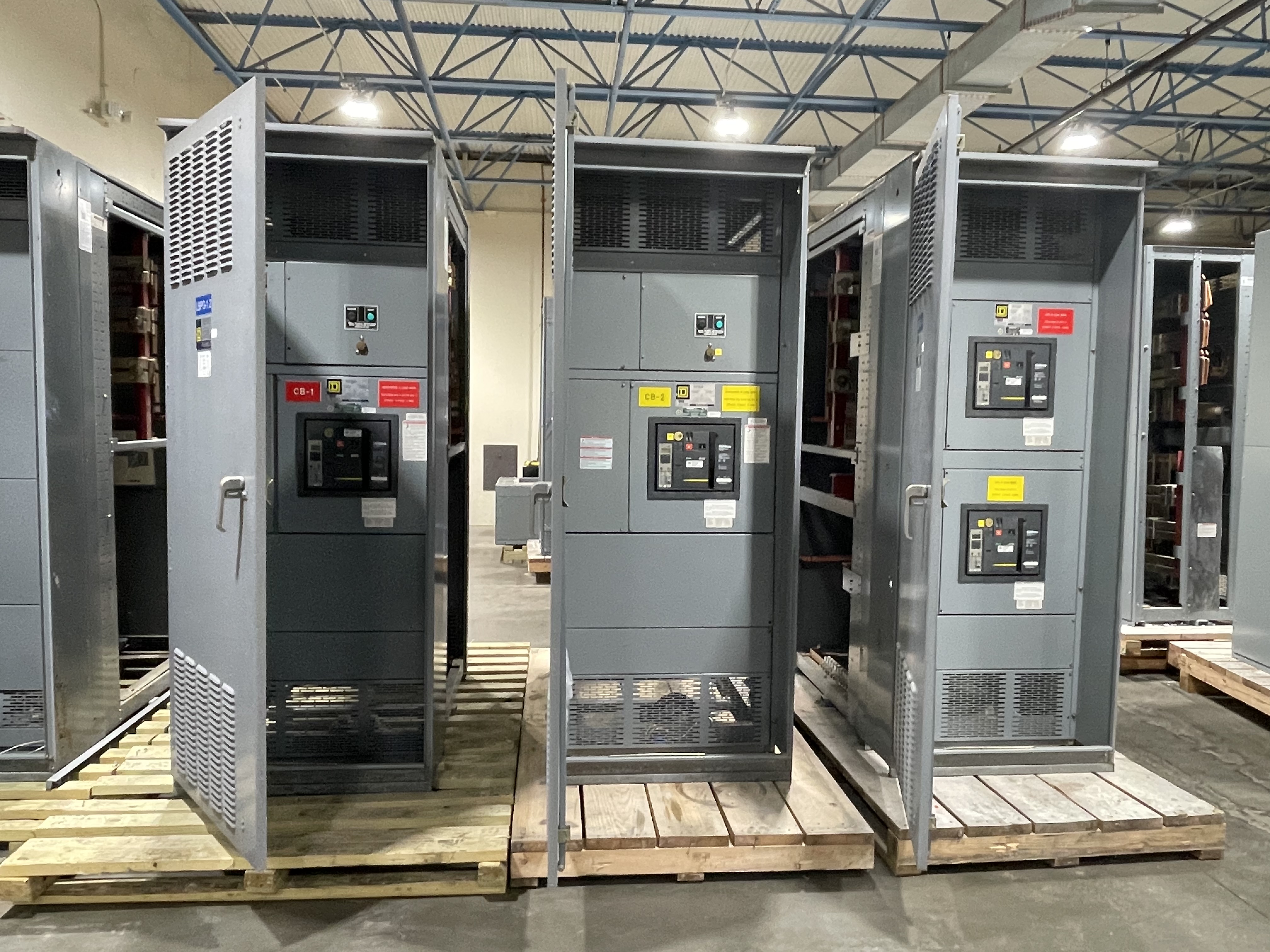
Report washdown exposure as known history
For an MCC with a known washdown history, share what is already documented: the exposure was reported, and any recorded date, area, or event description. Keep observation separate from conclusion. Washdown history alone does not establish the condition of bus, wiring, devices, enclosures, or insulation, and a seller should not open a cabinet or arrange an internal inspection for a buyer inquiry. If the extent or details are unknown, say so. This helps the buyer assess the assembly with appropriate uncertainty rather than treating an incomplete account as a verified condition report. Do not operate or approach equipment that may be energized to gather more information.
Identify the assembly with existing records
Useful MCC records may include equipment schedules, one-line diagrams, drawings, panel or bucket directories, maintenance history, and available nameplate details. Share copies already on hand; no new testing, measurement, fabrication, or staging is required. Distinguish values exactly as records present them: nominal system voltage is not necessarily assembly voltage, and neither is a current rating. Continuous current, device frame, trip rating, and interrupting rating are separate details; do not infer one from another or from a photograph. If a value is unreadable or records conflict, mark it unknown or conflicting instead of estimating. A buyer can consider the documented scope and gaps.
Describe what is included and what is not
Clarify whether the potential purchase concerns a complete lineup, selected sections, or identified MCC components, using existing documents or a written inventory where available. Note known exclusions, such as equipment retained for operations, separate starters, adjacent distribution gear, or site-owned wiring, rather than implying those items are included. A lineup’s age, completeness, and recorded configuration may affect its assessment, but do not establish compatibility with another system or a particular application. The buyer individually reviews each offer and acceptance; there is no guaranteed price or purchase decision. Do not dismantle, separate, or move sections to define scope. Leave boundaries to records and authorized site coordination.
Send safe exterior information only
When photographs are permitted, provide images only of safely accessible MCC exteriors and exterior labels or nameplates, taken from site-authorized safe positions. Keep cabinets closed; never take internal photographs or open an enclosure for a clearer view. Photos are optional and do not replace records or establish internal condition. Do not approach, touch, operate, test, disconnect, remove, lift, stage, or move equipment that is energized or potentially energized. Any electrical work, including isolation or disconnection, must be performed only by qualified, authorized personnel under site rules. If safe access is uncertain, rely on existing documents and site-approved coordination instead of trying to obtain a closer view.
Agree scope and removal responsibilities first
For an agreed purchase, the buyer covers necessary crane, rigging, disconnects, loading, freight, and hauling under the agreed scope; the seller does not hire or pay a crew for that removal. This does not authorize work outside site rules or include unrelated demolition or hazardous-material remediation. Before scheduling, the parties can clarify access permissions, work windows, handling boundaries, and who may authorize site entry. The buyer makes cash offers and pays upfront for agreed purchases. Offer amount and timing are assessed individually, with no price or timing guarantee. A purchase assessment alone is not acceptance, so confirm the agreed equipment and logistics before any handover is arranged.
Request an assessment without preparing equipment
A concise inquiry can identify the Chamblee-area site, the MCC scope being considered, known washdown exposure, available records, and any documented exclusions. Include uncertainties directly; the seller need not test equipment, inspect internals, stage sections, hire removal labor, or prepare the assembly. The buyer considers surplus and decommissioned MCCs across all voltage classes, including equipment from shut-down power plants and decommissioned data centers, while reviewing each opportunity individually. No particular assembly is guaranteed acceptance. Keep equipment untouched if energized or potentially energized, and leave access, electrical work, and removal planning to qualified authorized personnel acting under site rules and any agreed handover plan.