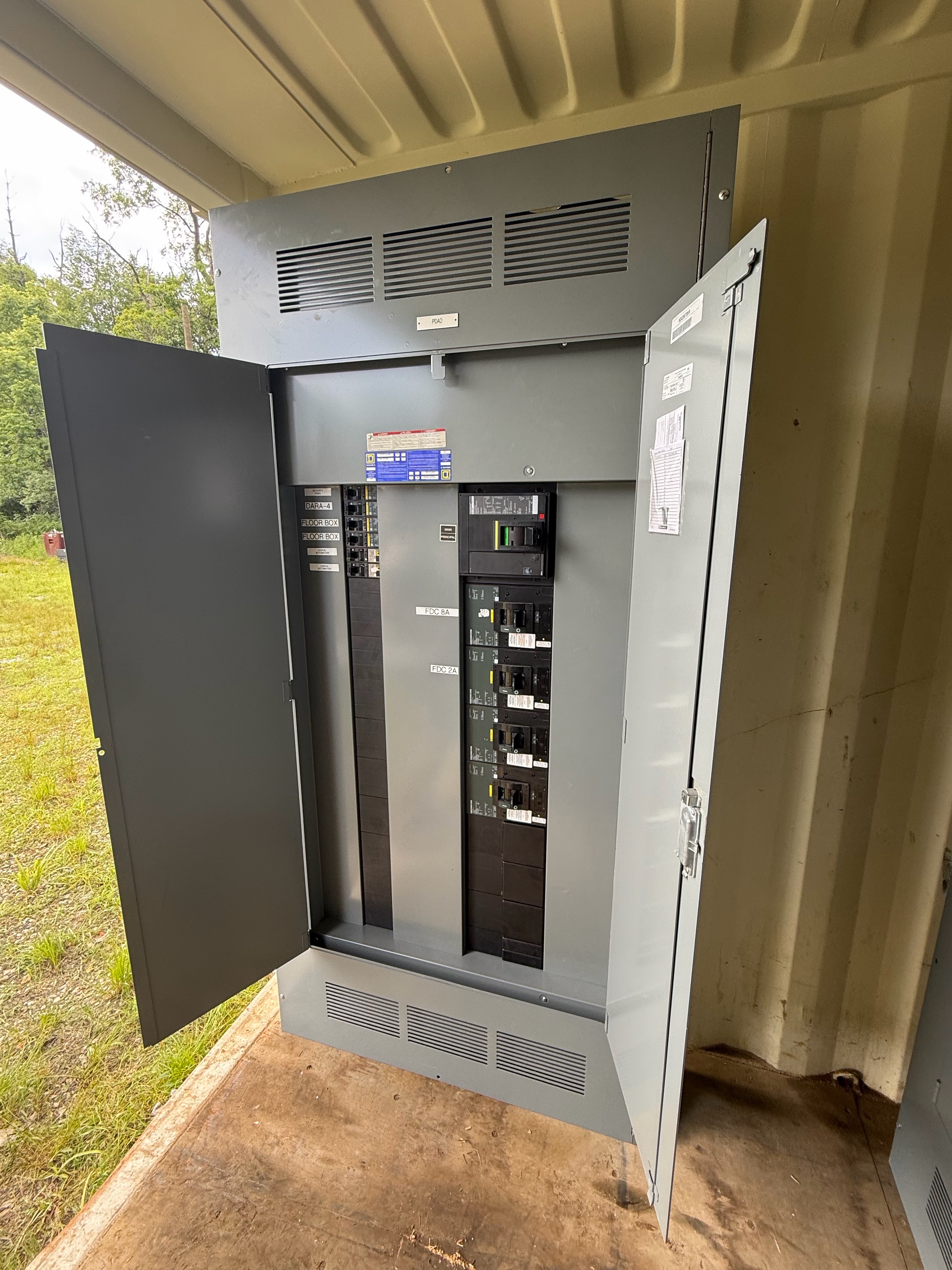
Separate physical surplus from operational reserve
A unit set aside during a replacement project is not necessarily available for sale. It may be intended as a spare until the replacement is commissioned, accepted, or proven in service. For example, a stored breaker might be excess inventory if operations has another approved spare, yet essential contingency stock if it is the only replacement for a critical circuit. Compare the asset record with the operations team’s reserve list, not just the storage location. Identify each item by equipment type and asset or serial reference where safely available. Do not infer release from age, appearance, or a label such as “surplus”; establish what function the unit still serves.
Confirm who can authorize release
Availability and authority are separate decisions. A department may no longer need a unit but lack authority to transfer title; another group may own the asset while operations controls its release date. Before requesting an offer, determine the legal owner and the person authorized to approve a sale and pickup. Ask whether any lender, contractor, landlord, or internal asset-control process limits disposition. Record the approver, the items covered, and any conditions, such as a replacement entering service first. If approval is pending, describe the equipment as under review rather than committed. The seller must own the equipment or have authority to sell it, and the buyer assesses assets and offers individually.
Reconcile replacement timing with reserve needs
The practical tradeoff is between realizing value from idle equipment and retaining protection against replacement delays or early failure. If commissioning is not complete, agree internally on the event that makes the old unit releasable; do not treat a projected date as proof of readiness. If a replacement is operating but warranty, acceptance, or contingency requirements remain unresolved, establish who decides whether the spare is still needed. Document a release condition that staff can verify, rather than a vague promise to sell later. A buyer can review equipment for a potential purchase, but acceptance, pricing, and timing depend on the individual assessment and confirmed availability.
Describe the exact asset, not a shorthand label
Build an inventory that distinguishes a complete assembly from a loose breaker or other component. For switchgear, note whether the offered item includes the breaker, bus sections, enclosure, and accessories, or only specified parts. For breakers, record visible manufacturer and nameplate information when safely accessible; do not treat frame size, trip unit, trip rating, and nominal voltage as interchangeable. Ratings and configuration affect what the asset is, but no general label establishes compatibility with another installation. A clear list helps prevent a reserved component from being swept into a sale with an available assembly. No seller testing is required; never energize, open, or handle equipment to collect information.
Plan pickup around safe access and clear scope
Before scheduling, confirm which listed assets are released, where they are staged, site access rules, and any pickup constraints. State whether items are indoors, elevated, or in a restricted area so removal needs can be assessed. Safe photographs, if permitted, should show only exterior nameplates or equipment from an authorized safe position; do not approach or alter equipment to obtain them. Electrical disconnects and other electrical work must be performed by qualified, authorized personnel under site rules. The buyer covers crane, rigging, disconnects, loading, freight, and hauling as applicable to an agreed transaction; sellers need not hire crews or prepare equipment.
Make the offer and payment terms explicit
Once authority, inventory, and release conditions are aligned, share the list and relevant safely obtained exterior information for individual review. This buyer purchases used, surplus, and decommissioned electrical equipment across all voltage classes, including assets from decommissioned data centers and shut-down power plants; that does not mean every item will be accepted. Ask which assets are included in any cash offer, what release conditions remain, and how upfront payment is handled before pickup. Confirm the agreed scope in writing so reserved stock is excluded unless separately approved. Do not promise a result or schedule before assessment and site coordination are complete, and retain internal records of the authorization and final disposition.