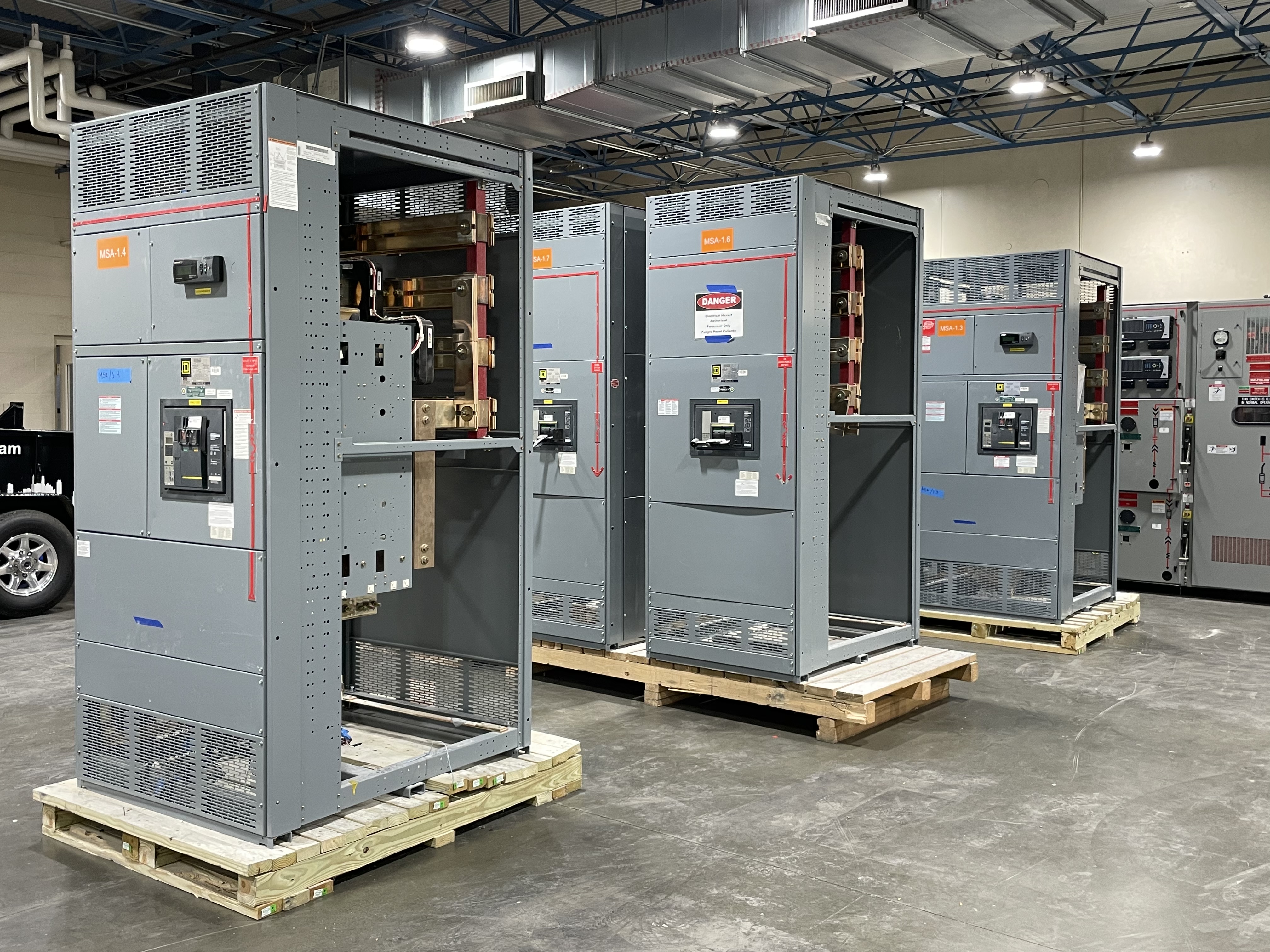
Start with access rules, not equipment inspection
If fire response or facility management has restricted access, keep those boundaries in place while considering a sale. Do not enter, approach, open, or handle equipment to gather information, and do not ask a seller or buyer to do so. First ask the authorized site contact what areas, if any, can be viewed safely and what access conditions apply. If no safe viewing is authorized, work from existing records and photographs taken by authorized personnel from safe positions. A buyer can assess whether to make an offer without requiring the seller to enter a restricted area.
Record exposure as known, unknown, or localized
Distinguish documented exposure from assumption: note whether heat, soot, or water contact is known, where it was reported, and whether the extent is uncertain. For example, a record may identify soot near a switchgear lineup without establishing that every assembly or internal component was affected. Do not describe equipment as undamaged based only on its exterior. Share incident reports or facility records if available and authorized for release. This candid account helps an individual assessment reflect uncertainty; it does not guarantee acceptance, a particular price, or a conclusion about electrical condition.
Use safe identification sources
Useful details may already exist in asset registers, one-line diagrams, maintenance records, or prior inventory photographs. If new photographs are authorized, limit them to safely accessible exterior nameplates and equipment, taken from an authorized safe position; never photograph by approaching, opening, or touching equipment. Record the manufacturer and visible catalog or serial identifiers only when legible, and mark obscured fields as unreadable rather than guessing. Avoid treating a lineup label as proof of each installed breaker’s identity. These records help connect the sale inquiry to specific assets without requiring seller testing or unsafe access.
Separate assembly identity from breaker details
A switchgear assembly and its installed breakers are related but distinct assets. If records identify a lineup, capture its assembly designation separately from any breaker frame, trip unit, or individual device information that is safely documented. Frame and trip descriptions are not interchangeable, and a lineup name alone does not establish the ratings or configuration of every breaker. Include bus information or other ratings only when supported by records or a safe, visible nameplate. This distinction matters in fire-related assessments because exposure and available documentation may differ across the assembly and its components.
Describe voltage and ratings without inference
Include nominal voltage and ratings exactly as shown in authorized records or safely accessible exterior nameplates, and identify the source. Do not infer a rating from a neighboring cabinet, a facility diagram that may be outdated, or an assumed application. A buyer considers equipment from all voltage classes, but that does not mean every item is compatible with every system or suitable for reuse. If a field is uncertain, label it unknown. For a Douglasville pickup inquiry, accurate uncertainty is more useful than a confident but unsupported description, particularly when fire exposure may complicate any later technical assessment.
Compare the offer with removal constraints
Ask how a proposed purchase would account for controlled access, approved work windows, loading routes, and any site-specific restrictions. The buyer offers cash and pays upfront, with offers assessed individually; no specific offer or acceptance is assured. No seller testing or preparation is required. The buyer covers freight and hauling and can coordinate crane, rigging, disconnects, and loading, subject to the agreed scope and site authorization. Electrical work must be performed by qualified, authorized personnel under site rules. Confirm in writing who coordinates access and which assets are included before scheduling removal.
Confirm ownership and define the sale scope
Before sharing asset records or arranging a pickup, confirm that the seller owns the equipment or has authority to sell it. Then identify the included assemblies and separate components, note known exposure and unresolved details, and disclose any access limitations that could affect removal. If only some equipment is authorized for sale, keep the scope explicit rather than implying that an entire room or facility is included. The pickup location is the Douglasville site; it does not imply an office or local project by the buyer. A clear, limited scope supports an individual assessment without promising a result.