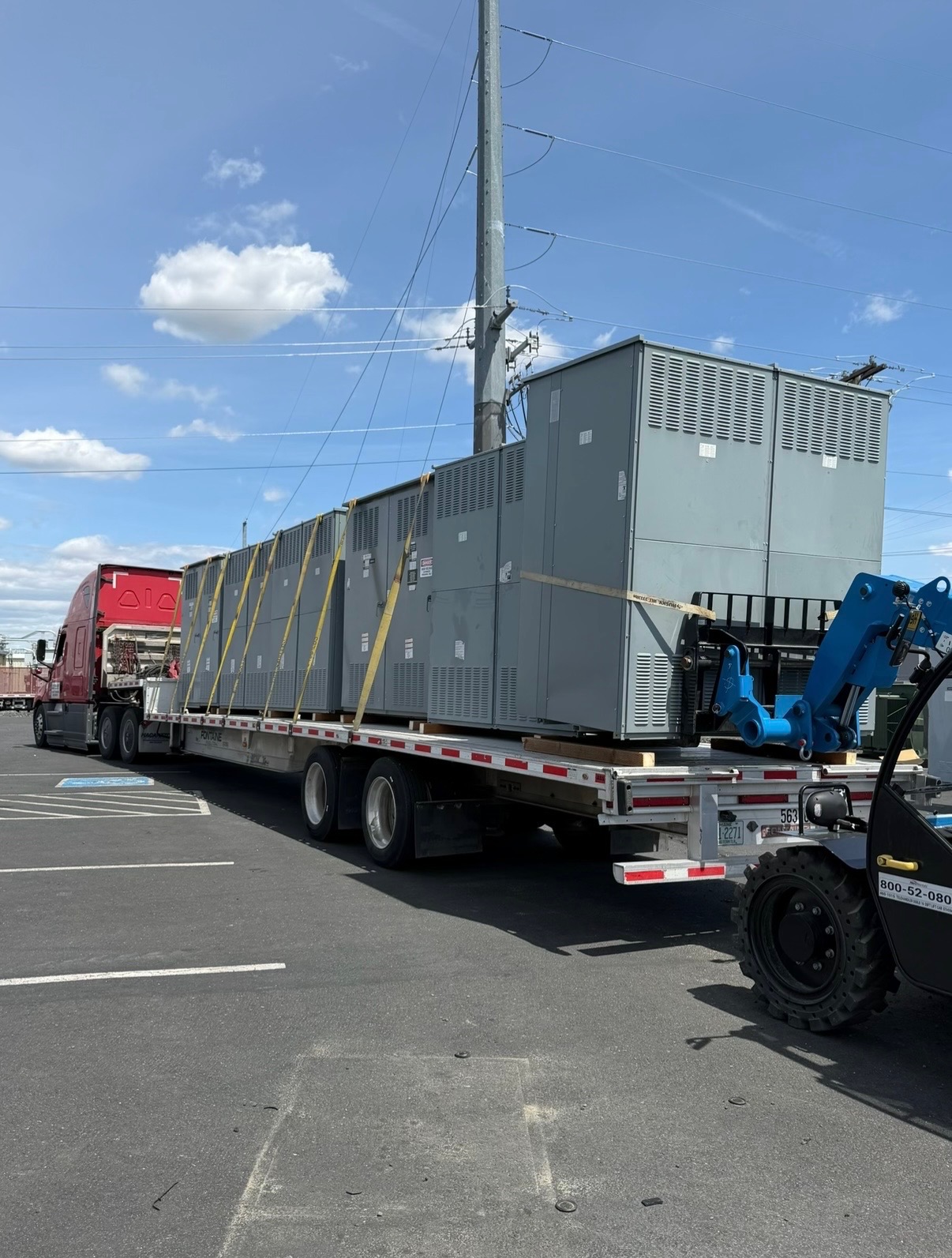
Define the lineup and its boundaries
Start with what physically belongs to the sale, not just the lineup name on an old drawing. Record the number of sections and, if known, their order from main section through feeder sections. Note whether end walls, connecting hardware, transition sections, or separately stored components are included, excluded, or uncertain. A lineup may be offered intact, as several sections, or as a partial assembly; those are materially different review cases. If the boundary is unclear, explain what is known and identify the unresolved point rather than implying that every adjacent cabinet is part of the asset.
Describe main and feeder sections separately
Identify the main section and feeder sections individually when that information is available from existing records or safely accessible exterior labels. A main section is not interchangeable in description with a feeder section, and a lineup’s overall description should not obscure differences among its sections. List visible manufacturer and catalog information as transcribed, without guessing at unreadable characters. If section labels are missing or inconsistent, say so. Existing drawings or schedules can help explain the arrangement, but treat them as records to compare—not proof that the installed lineup still matches them.
Make partial-lineup boundaries explicit
A partial lineup can still merit review, but the buyer needs a clear account of what remains. For example, state that the offered group includes the main section and two identified feeder sections, while an adjoining section is not included, if that accurately describes the asset. Mention open ends, removed sections, or separated components only when known and describe their status plainly. Do not assume that remaining sections can be recombined with other equipment or that a missing section is readily replaceable. The boundary affects identification, handling, and the assessment of the offered configuration.
Document ratings without conflating terms
Copy available nameplate details carefully and keep each term distinct: assembly ratings describe the lineup information shown; breaker ratings pertain to a breaker; frame and trip ratings refer to different breaker characteristics; nominal voltage is not, by itself, a complete account of equipment ratings. Do not infer a rating from appearance, a nearby label, or another section’s plate. If a value is absent, obscured, or uncertain, mark it as unknown rather than estimating. Buyers assess assets individually, and accurate transcription supports that review without asking the seller to test equipment.
Report known condition and history plainly
Share what is actually known: whether sections are described as operating before decommissioning, stored, incomplete, or of unknown status; whether visible damage or missing covers has been noted; and whether records mention prior changes. Separate direct observations from secondhand reports, and include dates or sources when available. Avoid converting a lack of reported problems into a claim that the lineup is sound. No seller testing is required, and sellers should not energize or otherwise interact with equipment to establish condition. Qualified, authorized personnel handle electrical work under applicable site rules.
Choose photographs that clarify identity safely
Useful photographs can show the lineup’s overall exterior, section sequence, and safely accessible exterior nameplates from authorized safe positions. A wider view helps a reviewer understand which sections are together; individual label images can clarify identification when readable. Do not approach or handle equipment to obtain a picture, and do not photograph by opening doors or covers. If a label cannot be safely seen, report that limitation and provide any existing records instead. Pair images with a simple section-by-section inventory so the photographs support, rather than substitute for, a precise inclusion list.
Plan removal around the assembled configuration
Section count, lineup arrangement, access, and known separation points help inform removal planning; do not assume the assembly can be moved as one load or divided in a particular way. A buyer may assess the asset and, depending on the individual transaction, cover disconnects, crane and rigging, loading, freight, and hauling. The buyer purchases used, surplus, and decommissioned equipment, including assets from decommissioned data centers and shut-down power plants, and may make a cash offer paid upfront. All voltage classes are considered, but acceptance and terms are assessed individually; no seller testing or preparation is required.