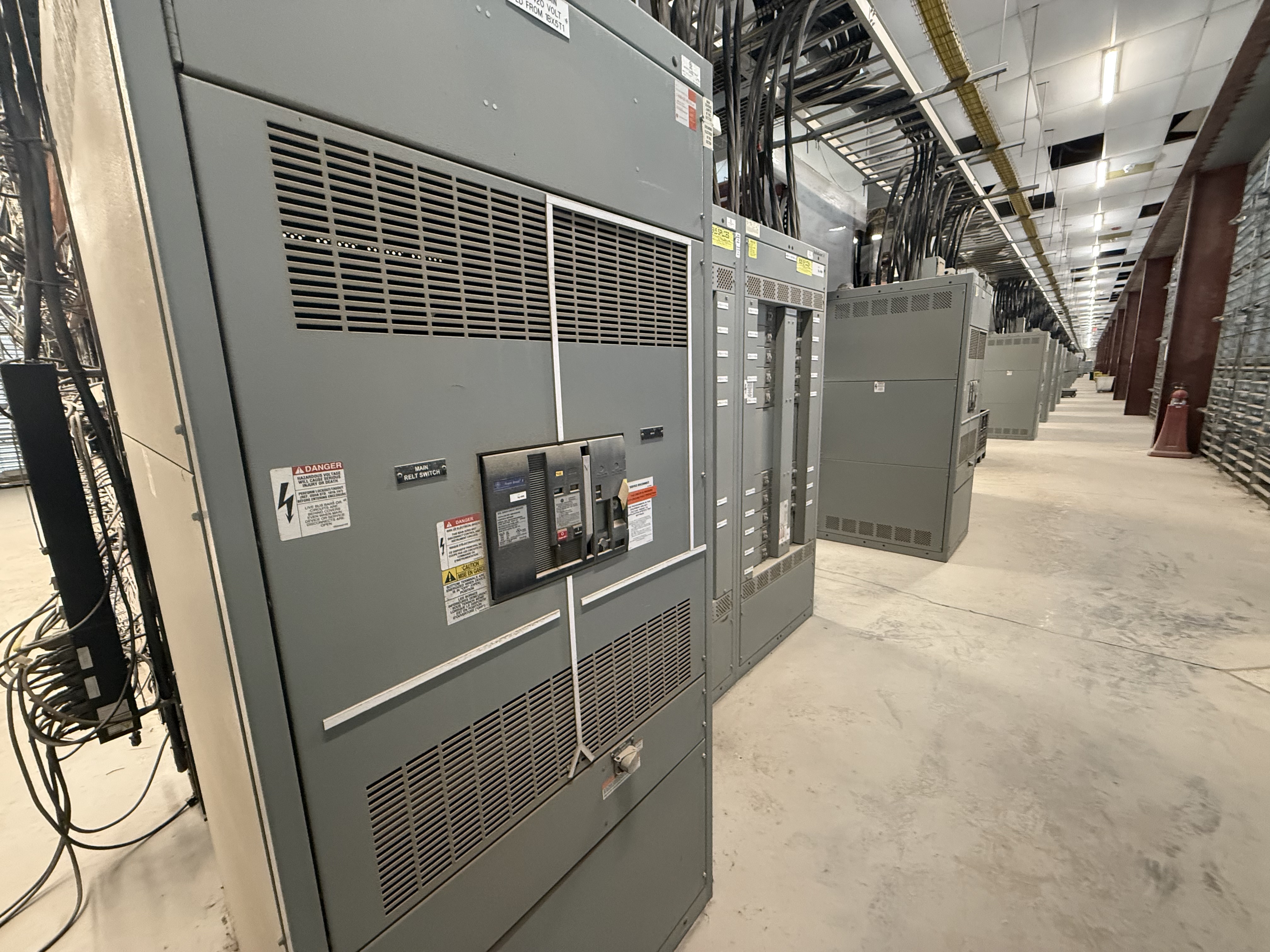
Separate controls, motor control and distribution assets
A PLC cabinet typically houses control components such as a programmable controller, I/O modules and interface devices; an MCC bucket is a removable motor-control unit associated with a motor control center lineup; a power distribution enclosure contains equipment intended to distribute or protect electrical circuits. These labels are not interchangeable, and a cabinet’s appearance alone does not establish its contents or function. If a surplus list calls everything “controls,” split it into these categories and note whether each item is a complete assembly, an individual bucket, or an enclosure. That distinction gives buyers a more useful basis for assessing the equipment and avoids implying that separate parts form a compatible system.
Choose what to disclose in the first contact
For an initial inquiry, share a general asset count, broad equipment category, manufacturer and visible nameplate details when safely accessible. Keep process diagrams, network addresses, control logic, passwords, production recipes, facility layouts and other sensitive process documents out of first contact; they are not needed to identify the basic inventory. If later review requires additional technical context, decide what may be disclosed with the owner’s authorization and the appropriate internal safeguards. Do not photograph equipment by approaching, opening or touching it. Use only exterior nameplate images obtainable from an authorized safe position, and omit images that reveal screens, wiring details or confidential operating information.
Record identity without confusing ratings
For each PLC cabinet, record visible identification separately from the controller’s application or process role. For each MCC bucket, note its individual markings and whether the offer concerns the bucket alone or the larger lineup. For distribution enclosures, capture the assembly identification and any clearly stated voltage or ratings without treating those figures as proof of suitability for another installation. A breaker’s rating is not the same as the bus rating, frame rating, trip setting or nominal system voltage; these describe different aspects of equipment. If markings are incomplete, record “not visible” rather than infer a value. Qualified authorized personnel should resolve technical questions under site rules.
Decide whether to offer a mixed lot
A combined lot may reduce sorting effort, but it can also obscure differences in completeness, age, condition and resale interest between control cabinets, individual buckets and distribution enclosures. If one category is well identified and another is not, ask whether the inventory should be reviewed by category or as a single proposed lot; offers and acceptance are assessed individually, with no guaranteed outcome. Note missing doors, accessories or components only when this can be established safely without opening or handling equipment. The seller must own the assets or have authority to sell them. No seller testing or preparation is required, and buying interest extends across voltage classes, subject to individual assessment.
Plan removal around responsibility and site rules
Electrical disconnects, verification of safe work conditions and any removal from a lineup must be handled by qualified, authorized personnel following the site’s procedures. Never treat an apparently idle cabinet or spare bucket as safe to approach or remove. Before arranging a pickup, identify access constraints, loading-area limits, known lifting requirements and any site approval process, without asking unqualified staff to inspect or move equipment. For accepted equipment, the buyer covers freight and can cover crane, rigging, disconnects, loading and hauling as applicable to the agreed scope. Clarify responsibilities in advance; this does not include unrelated demolition or hazardous-material remediation.
Compare the offer with the practical alternative
When weighing an offer, compare it with the actual cost and effort of retaining, relocating or disposing of the surplus, not with an assumed replacement value. A buyer may make a cash offer and pay upfront, but the amount and terms depend on the assets reviewed and are not guaranteed. Ask what inventory the offer covers, whether it is conditional on a final safe review, and how pickup scope is defined. If equipment is from a decommissioned data center or shut-down power plant, describe the relevant category and ownership authority without sending confidential system records. A concise, accurate inventory supports a clearer decision while leaving technical work to authorized personnel.