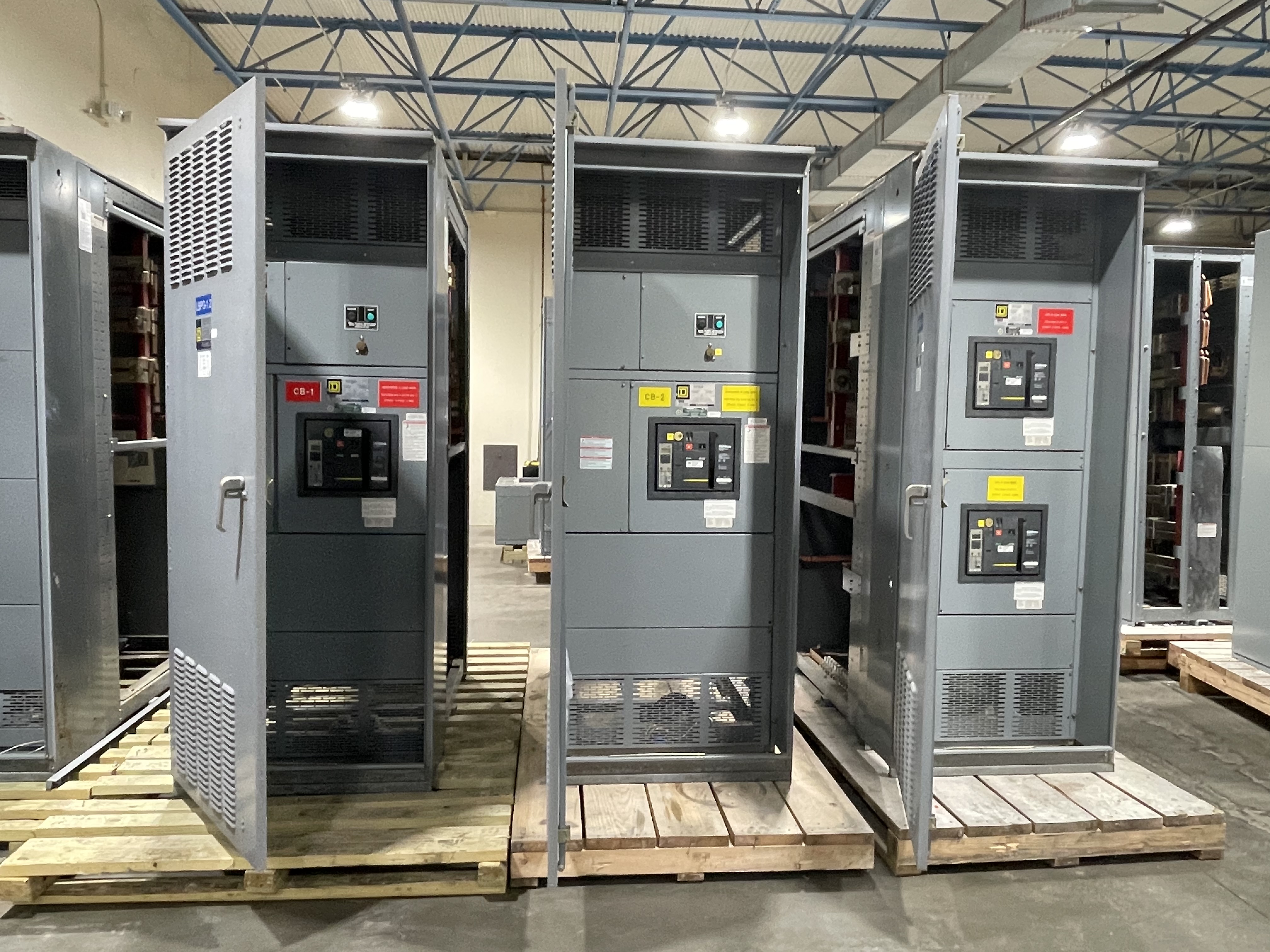
Establish ownership before describing the inventory
Removal does not by itself establish ownership. The equipment might belong to the site owner, a contractor that purchased it, a leasing company, or another party named in the project documents. Compare purchase records, asset registers, subcontract terms, and any written transfer or disposal authorization. If the contractor is holding gear for the owner, ask whether the owner has approved a sale or only temporary storage. Record the legal seller and the person empowered to approve the transaction; a crew lead’s possession of equipment is not proof that the crew can sell it.
Separate staging access from sale authority
Staging at a contractor’s yard or another site does not necessarily identify the owner or permit a buyer to collect the equipment. Confirm who controls the staging area, whose permission is needed for entry, and whether that person can coordinate a pickup. A site owner might authorize the sale while a contractor controls the gate, or the contractor might hold the gear under a return obligation. Document both permissions separately. If access depends on a site representative, agree on a contact and approved time before arranging freight rather than assuming the seller can grant entry.
Describe each item precisely enough to assess
Prepare an inventory that distinguishes complete switchgear assemblies from loose breakers, bus sections, and other components. Note manufacturer and visible nameplate information only when it can be photographed safely from an authorized position without approaching energized equipment. Where records are available, identify breaker frame and trip ratings separately; neither alone establishes the assembly’s rating. Include quantities, apparent completeness, and known storage conditions, but label uncertain details as unknown. This helps assess mixed contractor-held lots without turning an unverified description into a technical representation or assuming components are compatible.
Choose records and photos that do not create risk
Useful documentation can include ownership records, a written sale authorization, an inventory, and safe exterior nameplate photographs. Take photographs only from an authorized safe position and only of safely accessible exterior nameplates; never approach, open, touch, test, disconnect, move, or handle equipment for a picture. Do not ask site staff to expose labels or remove covers. If equipment is energized or access is restricted, rely on existing records and have qualified authorized personnel address any electrical work under site rules. Missing information is better recorded as unknown than obtained through an unsafe inspection.
Compare the value of a complete lot with a selective sale
If a contractor holds a complete assembly with associated breakers and bus, offering it as one identified lot may simplify reconciliation and pickup. Separating apparently valuable breakers could instead leave incomplete gear, disputed ownership, or a harder-to-coordinate remainder. Conversely, distinct items with separate owners or different release dates may need separate decisions. Ask whether every listed piece is included, whether any item must be returned or retained, and whether the authorized seller can transfer the whole lot. Assessment and offers are made individually; an inventory description does not guarantee acceptance or a particular price.
Coordinate removal responsibilities before committing
Clarify the intended pickup point, access limits, loading area, and who can approve work there. The buyer may cover crane, rigging, disconnects, loading, freight, and hauling, with arrangements subject to the equipment and site conditions. The seller need not test or prepare equipment, but that does not make electrical removal a task for unauthorized personnel. All electrical work must be performed by qualified authorized personnel under site rules. Do not schedule lifting or transport around an assumed equipment condition; coordinate scope and access with the relevant site authority before a collection plan is settled.
Make payment and release terms explicit
Once ownership, scope, and access are clear, put the sale terms in writing: seller identity, listed equipment, any exclusions, pickup location, access authorization, and the agreed payment and release process. The buyer offers cash and pays upfront, but the offer and transaction remain subject to individual assessment and documented authority; do not treat a quote as guaranteed acceptance. The buyer purchases used, surplus, and decommissioned equipment across voltage classes, including gear from decommissioned data centers and shut-down power plants. A seller should retain a copy of the signed terms and confirm that the person releasing the assets is authorized to do so.