Separate inventory by condition, not just shelf location
If a storeroom contains unopened cartons beside loose spare breakers, record them as separate groups rather than calling everything “new surplus.” Note whether packaging is sealed, opened but intact, crushed, wet, or missing, and whether the item itself appears unused or was previously installed. These descriptions are not a substitute for inspection by authorized personnel, but they prevent a sealed spare from being confused with a removed component. For example, ten matching boxed units and two loose installed units may need separate counts and condition notes. Avoid opening packages or handling electrical equipment to improve the record; photograph only safely accessible exteriors from an authorized safe position.
Make quantities traceable to identifiers
Build a simple inventory table with quantity, manufacturer name as printed, complete model or catalog identifier, and any visible serial or revision information. Keep the identifier tied to its packaging or storage location where practical, so a buyer can distinguish similar-looking parts with different suffixes. Count only what can be confirmed safely from accessible records and views; mark uncertain quantities as estimates instead of implying a verified total. A list stating “eight units, two identifiers, quantity of one uncertain” is more useful than a rounded estimate. Do not remove covers, unpack sealed items, or move stored equipment to find a label. If identifiers are unreadable, record that limitation rather than guessing.
Distinguish never-used spares from installed returns
Prior installation changes the information a seller should provide, but it does not automatically determine whether an item can be considered. Note whether a spare is believed never used, installed and later removed, or of unknown history; explain the basis, such as a storeroom record or labeled return tag. Do not describe a previously installed breaker as tested or serviceable unless that is supported by authorized records. Seller testing is not required for an assessment. Where the history is mixed, group known-unused stock separately from installed or unknown-history items, preserving the distinction even if both groups share a model identifier. The buyer assesses assets individually, and acceptance or an offer is not guaranteed.
Record ratings without treating them as interchangeable
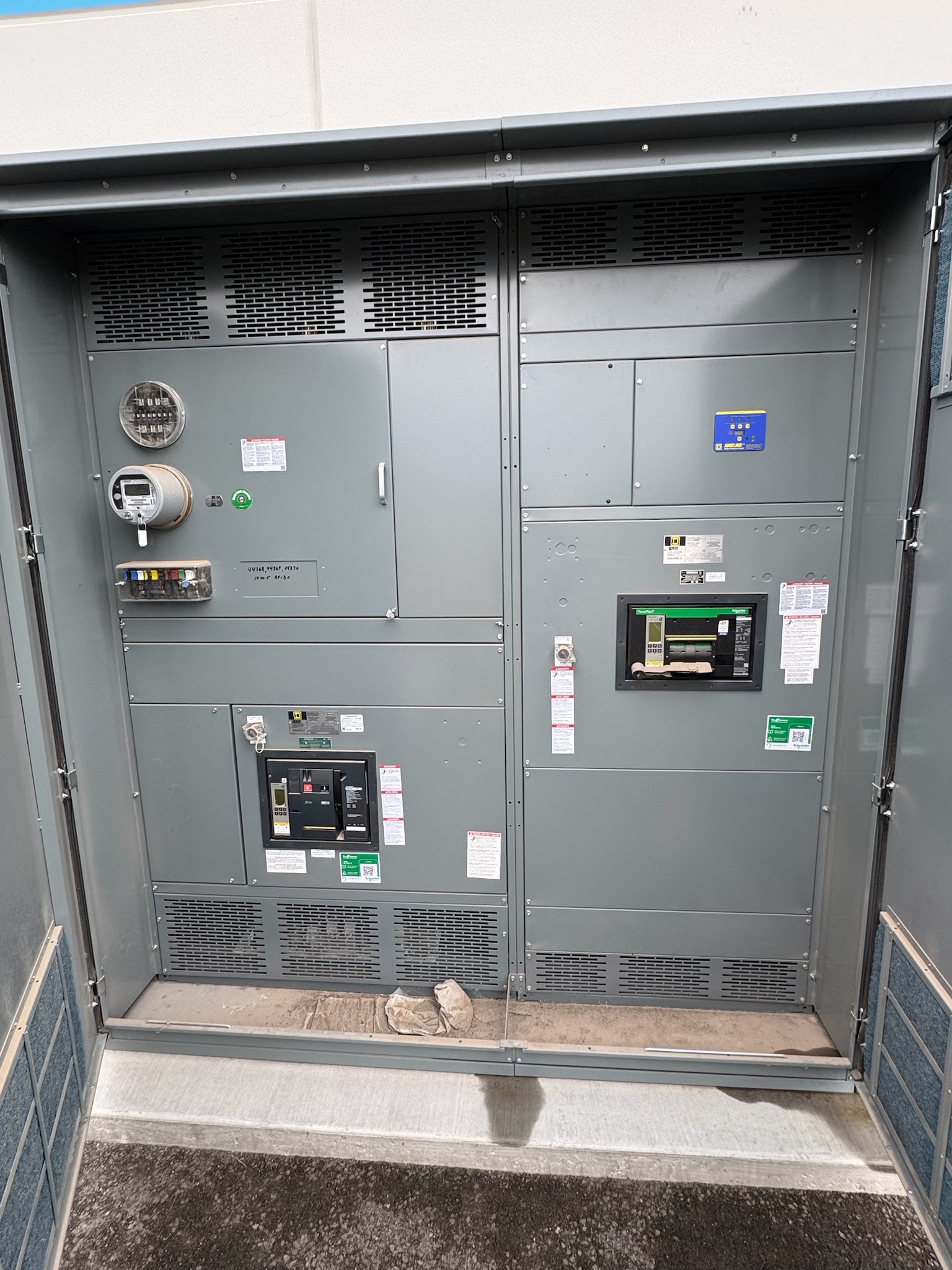
When documenting breakers or related spares, transcribe visible markings rather than reducing the item to a single rating. An assembly, breaker, bus, frame, trip, nominal voltage, and interrupting or other rating are distinct details; a frame designation alone does not establish the trip or full device rating. Preserve punctuation and suffixes in identifiers, and flag markings that cannot be read safely. Do not infer compatibility from matching brand names or assume parts fit a particular switchboard. A buyer can consider equipment across all voltage classes, but each asset and its details are assessed individually. No seller should energize, test, disconnect, or handle equipment to complete the inventory; qualified authorized personnel must perform any electrical work under site rules.
Choose how to present mixed lots
A single combined inventory may reduce administrative effort, while separate groups can make condition and quantity differences clearer. If the storeroom has many sealed, traceable spares plus a small number of incomplete or previously installed items, ask whether the buyer prefers one schedule with condition columns or distinct schedules. Do not discard packaging, tags, or records before discussing the lot; these may help establish identity and history. Share known storage limitations, missing components, and uncertainty plainly. The buyer may make a cash offer with payment upfront for assets it elects to buy, but neither an offer nor acceptance of every item is assured. Compare the proposed scope against the documented inventory before agreeing to a sale.
Plan pickup around safe access and ownership
Before arranging collection, confirm that you own the equipment or have authority to sell it, identify the pickup location, and describe access constraints such as loading-area limits or scheduled site access. Do not prepare equipment by disconnecting, moving, or opening it yourself. If selected assets require electrical disconnection or other electrical work, that work belongs to qualified authorized personnel following site rules. The buyer covers freight and hauling and can cover crane, rigging, disconnects, and loading as applicable to an agreed transaction. No seller testing or special equipment preparation is required. Discuss practical access and handling needs in advance; the method and scope depend on the assets and site conditions, not an assumed standard arrangement.