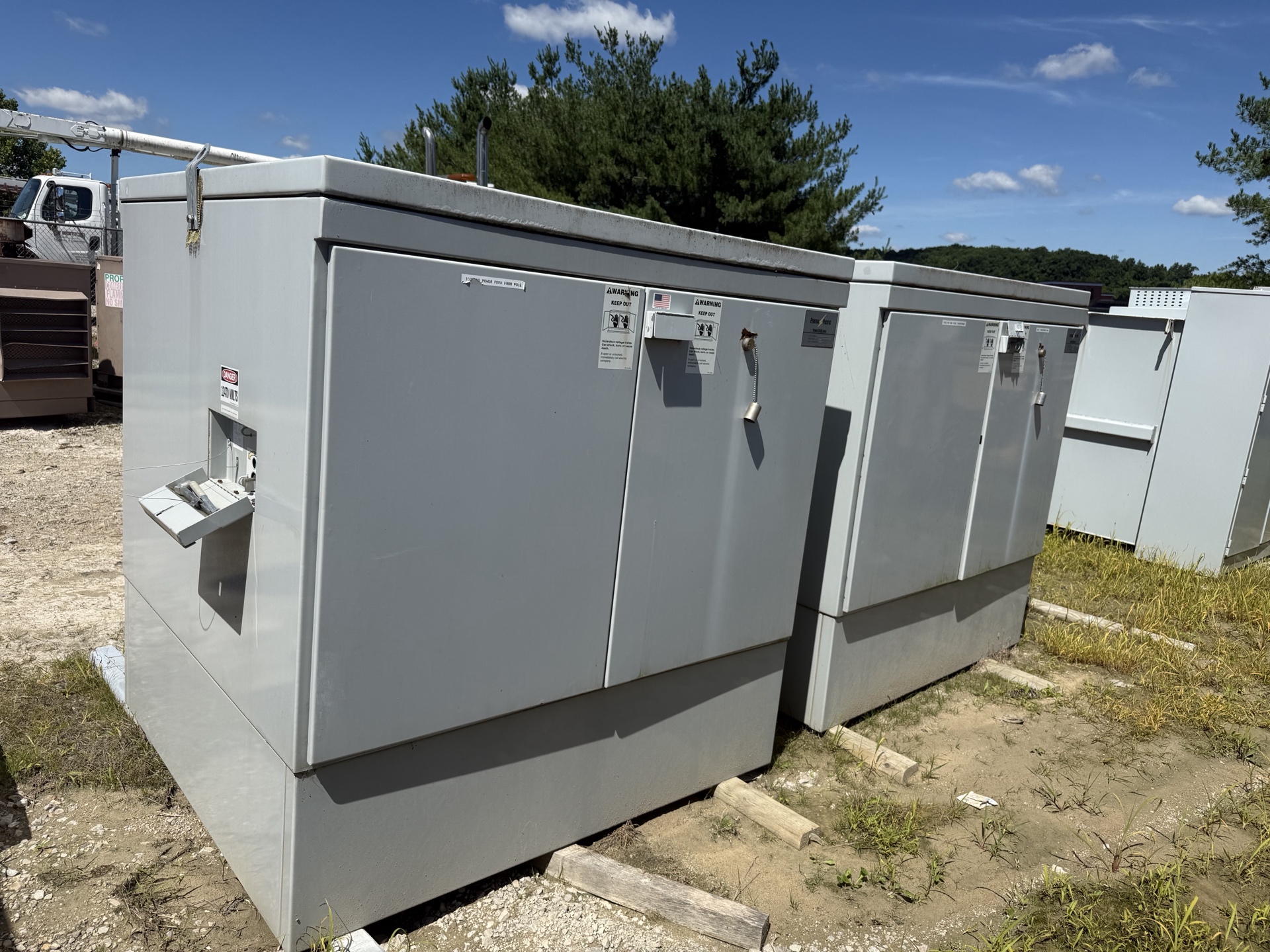
Define the assembly before describing it
Start with the boundaries of the asset: identify the switchboard lineup, its sections, and any attached or adjacent equipment that may be separate property. A lineup may include incoming and distribution sections, but a nearby transformer, motor-control center, or standalone panel should not be described as included unless ownership and scope are clear. Note whether the offer concerns the complete assembly, selected sections, or loose components stored separately. A simple section-by-section inventory is more useful than a single count of cabinets. If records use different names for the same lineup, preserve those labels and explain the discrepancy rather than silently combining assets.
Separate breakers, bus, and ratings in the record
For a mixed industrial assembly, distinguish the switchboard frame and sections from the breakers installed in them. Record breaker manufacturer and visible catalog or type markings when safely accessible; identify bus information and nameplate ratings separately from individual breaker ratings. Do not treat a breaker’s trip rating as the assembly’s rating, or infer the lineup’s nominal voltage from one component label. If a nameplate is missing, obscured, or inconsistent with available drawings, mark the information unknown and share the source of any alternate figure. Safely accessible exterior nameplate photographs can support review; never approach or expose equipment to obtain an image.
Describe known condition without testing
Share condition information already available from maintenance records, inspection reports, prior operating history, or decommissioning documentation. Separate documented facts from observations and assumptions: for example, “breaker removed before shutdown” is different from “breaker failed.” Mention missing doors, absent breakers, visible exterior damage, incomplete sections, or known water exposure if these are recorded, without diagnosing the cause or declaring the assembly serviceable. No seller testing or preparation is required. We buy equipment across all voltage classes, but voltage alone does not establish acceptance or value; the complete assembly, available identification, known condition, and sale scope are assessed individually.
Confirm ownership and authority to sell
Industrial switchboards may be part of a decommissioned data center or shut-down power plant, or may have been removed during a facility change. In each case, establish who owns the equipment and who has authority to approve its sale and removal. If a contractor, property operator, lender, or asset-management representative is involved, clarify that party’s role and the approval path before scheduling logistics. Check whether the proposed sale covers all sections and loose breakers, or only items listed on an approved asset schedule. Clear authorization helps prevent a mismatch between the person coordinating access and the party entitled to transfer the equipment.
Plan access around the actual lineup
Describe where the switchboard sits, the route from its present position to a loading point, and any known constraints such as restricted entry, low-clearance routes, limited staging space, or scheduled site access. Provide dimensions or weights only when reliable records exist; label estimates as estimates. Note whether sections are still assembled, already separated, or stored in multiple areas, and identify known lifting or rigging points only from approved documentation. Do not move equipment to improve access or gather information. If electrical isolation or disconnection is needed, that work must be performed by qualified, authorized personnel under site rules.
Agree on scope before removal is coordinated
Before proceeding, reconcile the inventory with what can be safely and lawfully included in the sale, then share site contact, access procedures, and any removal restrictions. We can make cash offers and pay upfront, with each opportunity assessed individually; there is no guaranteed offer or outcome. Buyer-paid freight, crane, rigging, disconnects, loading, and hauling can be considered as part of the logistics plan, rather than requiring the seller to hire crews or arrange freight. Confirm the planned scope and responsibilities with the authorized site representative. If the lineup includes equipment outside the agreed sale, identify it clearly so removal plans do not assume it is included.