Start with records, not assumptions
For a lineup with unreadable section labels, gather records already available to the site, if they can be shared safely: one-line diagrams, equipment schedules, prior submittals, maintenance files, asset lists and decommissioning documents. These may help connect a section to an identifier, but a record is not proof that the installed equipment still matches it. Note which documents refer to the lineup and which sections remain uncertain. Do not create a rating by copying a value from a neighboring section. A clear account of what is known and unknown is more useful than a complete-looking but unsupported inventory.
Keep distinct ratings distinct
When records support them, report nominal system voltage separately from assembly voltage and continuous-current rating. Keep device frame, trip and interrupting ratings distinct as well; they describe different characteristics and cannot be substituted for one another. Attribute each value to a source, such as a particular schedule or nameplate record, and identify the equipment section if the source does so. If a record does not establish a value, mark it unknown rather than infer it from appearance, an adjacent section or a system-level figure. An initial assessment can proceed with explicit gaps, subject to individual review.
Describe visible condition carefully
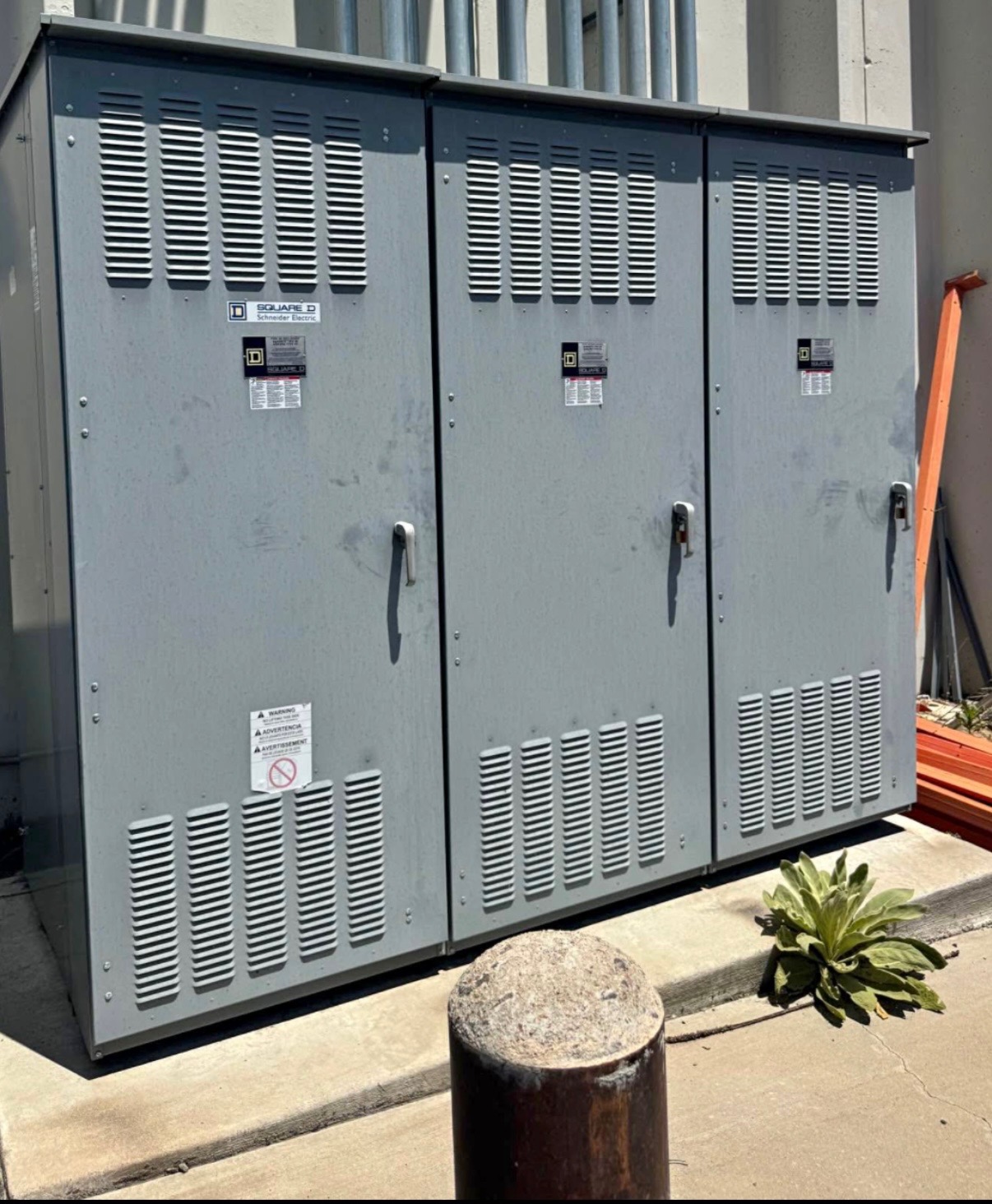
Useful observations can include the apparent lineup extent, accessible exterior condition, visible section identifiers and whether labels are unreadable, provided these details can be obtained from a site-authorized safe position. Photographs should show only safely accessible equipment exteriors and exterior labels or nameplates. Never open a cabinet or take internal photographs. Do not approach, touch, operate, test, disconnect, remove or move energized or potentially energized equipment. No seller testing is required for a purchase assessment. Electrical work, if separately authorized and required under site procedures, must be performed only by qualified personnel authorized for that work.
Explain the assessment boundary
Share known exclusions and uncertainties, including sections that cannot be identified from available records, missing documents and any equipment the site does not intend to include. Make clear whether the described scope is a partial lineup or a larger group only when that is established by site records or an authorized contact. A buyer may review used, surplus or decommissioned switchgear, but receiving information does not mean every section will be accepted. Each asset and proposed scope is assessed individually. Do not treat a preliminary discussion as a commitment, a guaranteed valuation or a promise to take unrelated equipment.
Account for the full voltage range
Our purchases span all voltage classes, including equipment associated with decommissioned data centers and shut-down power plants. That broad scope does not establish a particular lineup’s voltage, condition, suitability or value. For medium-voltage switchgear, the distinction between a system value and the assembly’s documented rating matters, especially when labels cannot be read. Provide only supported information and flag the rest. We are an independent buyer and make no manufacturer affiliation claim. An assessment does not confirm compatibility, operating condition or technical specifications that the available records and safe exterior observations do not establish.
Plan removal only after agreement
If a purchase is agreed, the buyer covers necessary crane, rigging, disconnects, loading, freight and hauling as applicable to that agreed purchase; the seller does not hire or pay a removal crew. Scope, access, scheduling and site requirements must be reviewed before handover, and no timing is guaranteed. The buyer does not promise unrelated demolition or hazardous-material remediation. No one should handle or disconnect potentially energized equipment. Any electrical work must be assigned to qualified, authorized personnel working under the site’s rules and approvals, with responsibility for the work established before it begins.
Make the next step practical
For a Johns Creek purchase inquiry, provide the records already at hand, a brief description of the lineup and a list of known unknowns; there is no need to test, measure, stage or fabricate anything for an assessment. Exterior photographs are optional and appropriate only from site-authorized safe positions, with cabinets closed. We make cash offers and pay upfront for agreed purchases, but offer terms and acceptance depend on individual review. If the scope, records or logistics leave an important question unresolved, identify it plainly so it can be addressed before any purchase or handover is agreed.