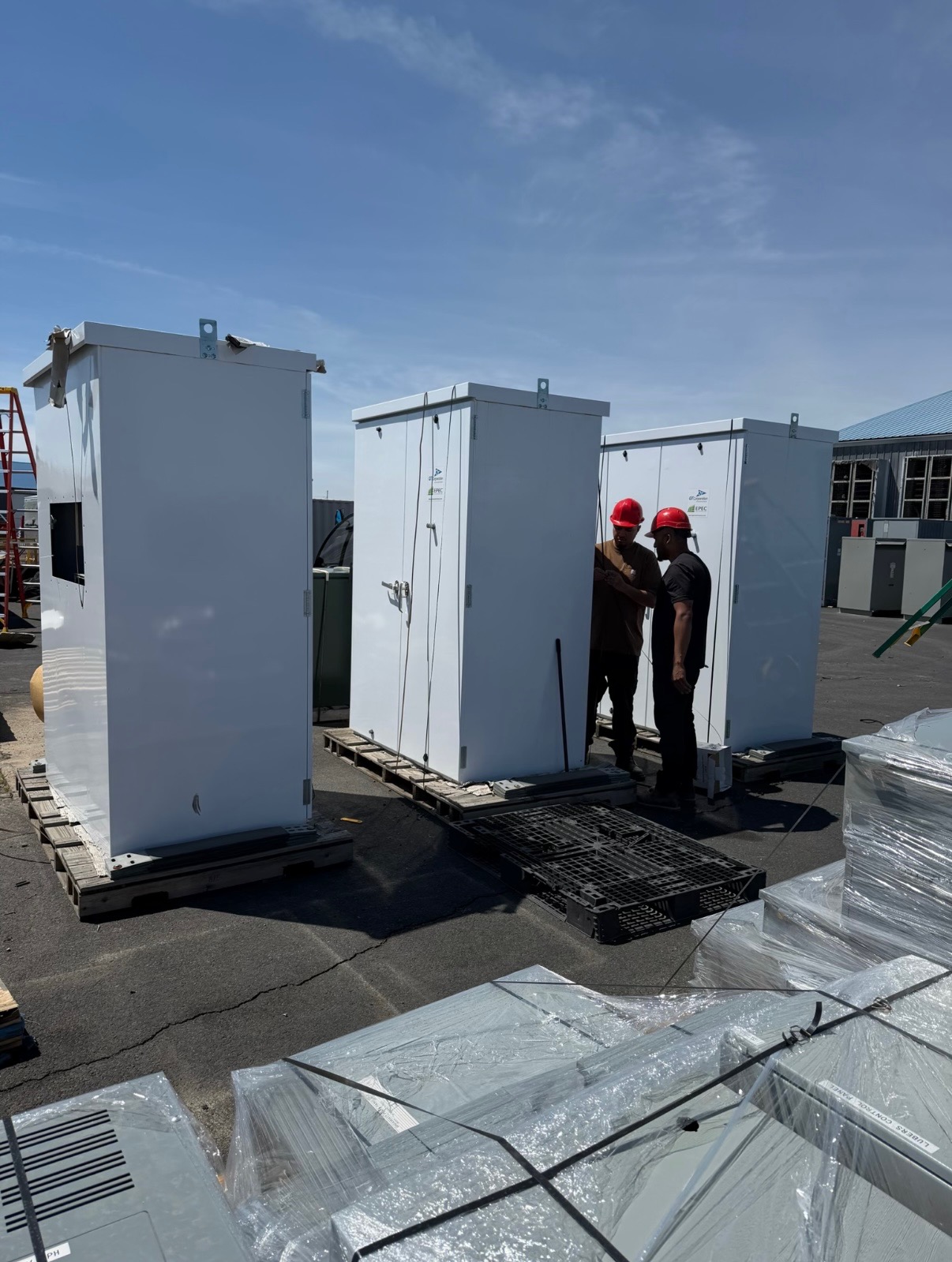
Define the asset boundary before requesting an offer
Describe the proposed asset as pad-mounted switchgear and identify any neighboring transformer, foundations, cables, controls, or other items as included, excluded, or uncertain. Physical proximity does not establish common ownership or mean the transformer is part of the switchgear assembly. Check existing asset registers, purchase or lease records, site drawings, and prior transfer documents if available; note conflicting descriptions rather than resolving them by assumption. A simple written boundary list can help prevent misunderstandings about what a buyer is assessing. Do not approach or handle equipment to confirm boundaries. Any electrical work or access must be performed only by qualified, authorized personnel under site rules.
Use existing records, and label unknowns honestly
Useful records may include inventory descriptions, equipment schedules, historical one-line diagrams, maintenance files, and exterior identification information already held by the site. Distinguish documented facts from estimates: nominal system voltage is not necessarily the assembly’s voltage rating, and neither establishes continuous current, device frame, trip, or interrupting ratings. Report each rating only when a record supports it, retaining the record’s terminology and identifying uncertainties. Do not infer ratings or compatibility from a neighboring transformer, enclosure appearance, or a partial label. Sellers need not test, measure, open cabinets, remove covers, or create new documentation to request an assessment; the buyer can review what is safely available.
Provide exterior identification safely
If permitted by site rules and safely accessible, share photographs of the equipment exterior and exterior labels or nameplates from an authorized safe position. Do not open a cabinet, photograph internal components, or move closer than site requirements allow. Never approach, touch, operate, test, disconnect, remove, or move equipment that is energized or potentially energized. If safe exterior information is unavailable, say so and offer existing records instead. Photos and records support an initial review but do not guarantee an offer or acceptance. Keep the neighboring transformer clearly outside the photo-based asset description when it is excluded, and avoid capturing sensitive site information unless authorized.
Compare a complete package with a narrow sale
A proposed sale limited to switchgear may be easier to define when transformer ownership, condition, or disposition is uncertain. Conversely, if records establish that additional items belong to the seller and are intended for sale, listing them separately lets the buyer assess each item without conflating equipment types. An exclusion should be explicit—for example, identify the transformer as excluded, not included, or ownership unconfirmed. Do not assume that shared location, connections, or historical use makes one item transferable with another. The independent buyer considers used, surplus, and decommissioned equipment across all voltage classes, including equipment from decommissioned data centers and shut-down power plants; each asset remains subject to individual review.
Understand offer terms and removal responsibilities
For an agreed purchase, the buyer makes a cash offer and pays upfront according to the agreed terms. The buyer covers necessary crane, rigging, disconnects, loading, freight, and hauling under that purchase; the seller does not hire or pay a removal crew. These arrangements apply only to assets included in the agreement and do not promise acceptance of the switchgear, transformer, or any other item. No price or timing is guaranteed: offer and acceptance are assessed individually. Do not arrange disconnection or removal yourself. Electrical work must be performed only by qualified, authorized personnel under site rules, with responsibilities coordinated before any agreed handover.
Set a safe, clearly bounded handover
Before an accepted purchase proceeds, confirm in writing the equipment included, exclusions, ownership basis, access permissions, and removal responsibilities. Identify the transformer explicitly if it remains on site and is not part of the sale; do not treat its presence as permission for the buyer to remove it. Coordinate access and work windows through the authorized site contact, and follow site controls for electrical hazards and lifting operations. The buyer’s agreed logistics do not include unrelated demolition or hazardous-material remediation. If ownership or safe access remains unresolved, disclose that uncertainty and pause the affected scope. A clear boundary protects both parties without requiring seller testing, staging, or equipment handling.