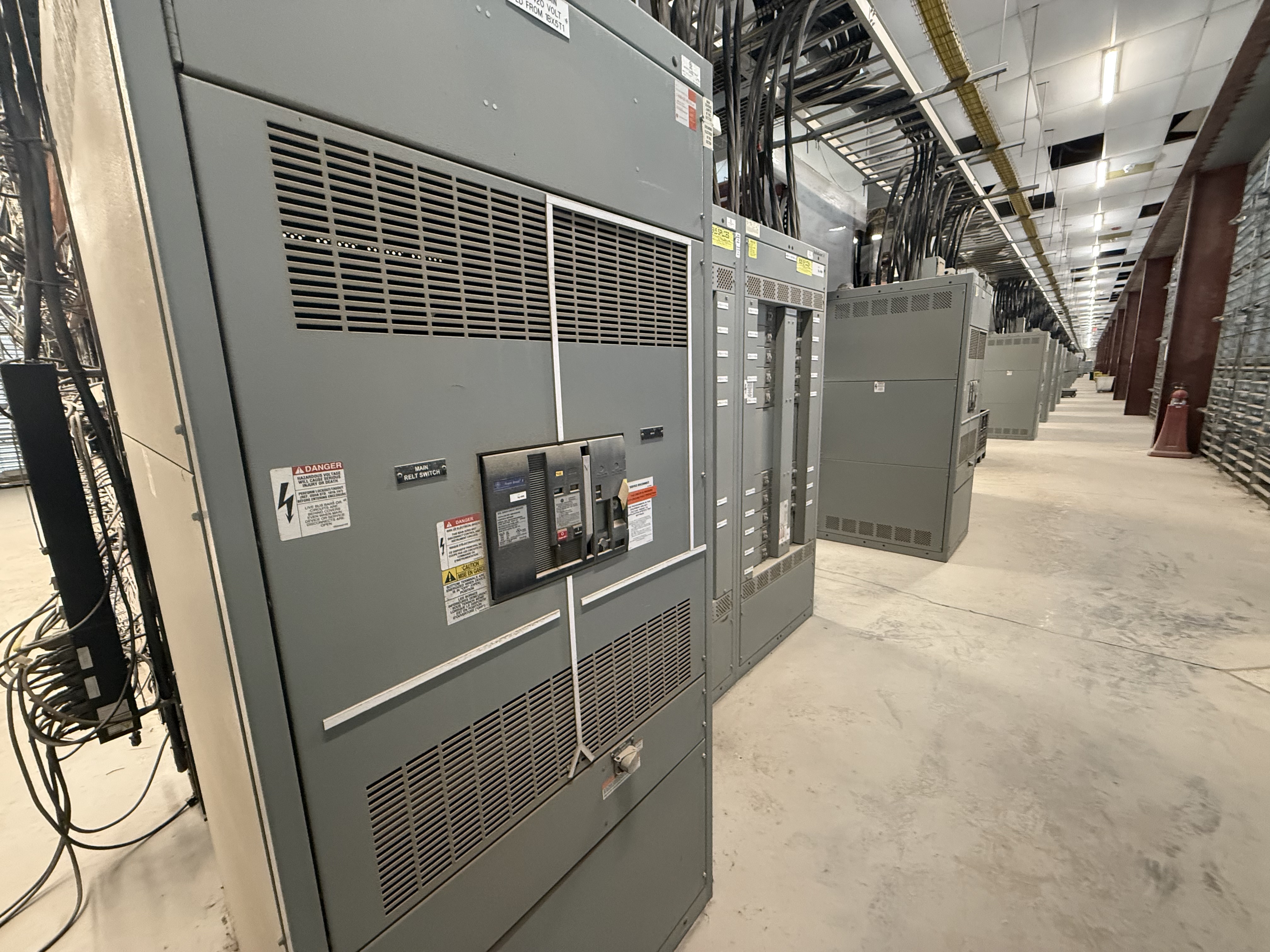
Start with ownership, not removal
Before arranging any pickup from a Kennesaw property, separate tenant-owned equipment from building assets and landlord-provided improvements. A tenant may own a standalone transformer or spare breaker, while switchgear serving the premises may be part of the building’s electrical system or governed by the lease. Do not infer ownership from a label, invoice, or the fact that equipment is unused. Review lease language, purchase records, handback terms, and any written landlord direction; document which specific assets may be sold and who has authority to approve removal. If ownership is disputed or unclear, pause the sale discussion until the responsible parties resolve it in writing.
Compare floor-level access with a dock reservation
Floor-level access can make a pickup less dependent on a shared loading dock, but it does not automatically make removal easier. A narrow doorway, corridor turns, overhead restrictions, or a long route to the vehicle may limit what can be moved and how loading is planned. A dock reservation can provide a more direct freight interface, yet it may require coordination with building management, carriers, and other scheduled users. Ask the property contact which route is authorized, when it is available, and what vehicle or staging limits apply. Share measurements and current access information only from safe, permitted vantage points; qualified personnel must determine any electrical work needed before movement.
Let the lease deadline shape the sequence
A lease-end date creates a real tradeoff: waiting for a convenient dock slot may reduce access uncertainty, while delaying the ownership decision can leave too little time to assess the equipment and coordinate a conditional offer. Conversely, rushing to clear a room before landlord expectations are documented can lead to removing property that must remain. Set internal decision dates ahead of handback, identify who can authorize access, and ask management to confirm any approved pickup window in writing. An equipment buyer can review information and assess assets individually, but acceptance, offer terms, and timing are not guaranteed. Keep a fallback plan for equipment the landlord requires to stay.
Define exactly what remains with the building
Prepare an asset schedule that distinguishes removable surplus from building infrastructure. Record each item’s visible identification, general location, and ownership status, then ask the landlord to mark items that must remain in place. This matters when similar enclosures sit together: a spare assembly may be tenant property while adjacent gear supports ongoing building service. Do not treat a breaker, bus, frame, or trip unit as interchangeable descriptions; note what is visibly identified without making assumptions about compatibility or ratings. Avoid opening enclosures or approaching energized equipment for better documentation. Any inspection, isolation, disconnection, or removal work belongs to qualified, authorized electrical personnel operating under site rules.
Make access and pickup responsibilities explicit
Once authority and the keep-or-remove list are clear, discuss the physical scope rather than assuming the seller must organize a crew. Depending on the equipment and site conditions, the buyer may cover crane, rigging, disconnects, loading, freight, and hauling; responsibilities and feasibility are assessed for the particular assets and access plan. Confirm in writing who coordinates with building management, what areas may be used, and whether dock, floor-level, or other authorized access is available. Do not authorize unqualified personnel to disconnect or move equipment. No seller testing or seller preparation is required, and the buyer’s review does not replace site safety procedures or the approvals required for electrical work.
Share useful information without testing equipment
For an initial assessment, provide the asset schedule, ownership documentation, handback constraints, access notes, and safely obtained photographs of exterior nameplates or equipment from authorized safe positions. Never approach, touch, open, test, disconnect, or move energized equipment to create a better record or image. Include visible manufacturer and rating information as written, without guessing at missing data; nominal voltage and equipment ratings are not the same thing, and voltage class alone does not establish suitability or value. The buyer considers used, surplus, or decommissioned equipment across all voltage classes and makes individual assessments. Offers may include cash paid upfront, but price and acceptance depend on review rather than a guaranteed outcome.