Separate the assets before discussing the tax schedule
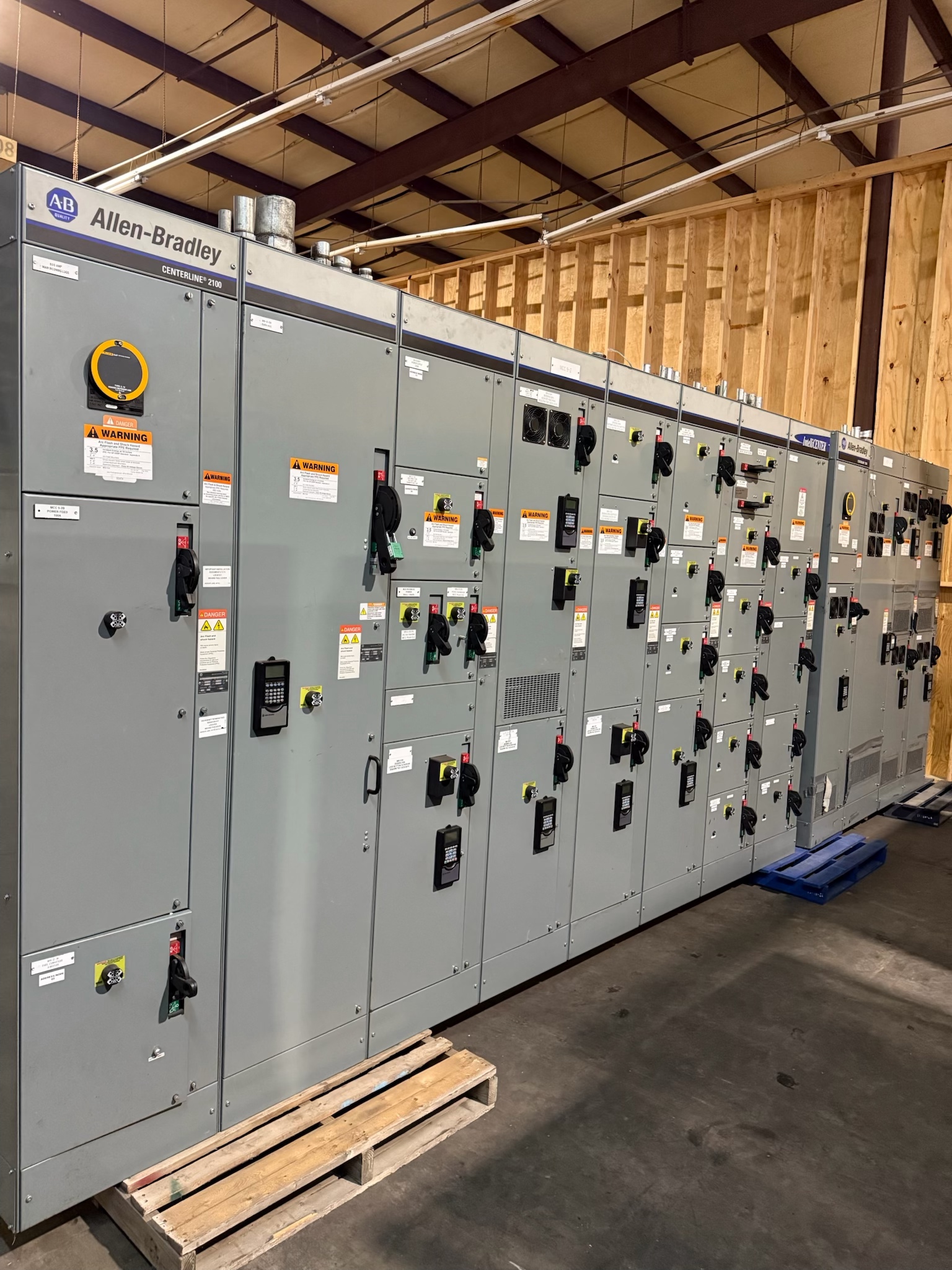
A single tax-schedule entry may describe an entire MCC lineup, while the proposed sale covers only selected sections. Treat the schedule as a starting point, not proof that every section is available. If one lineup stays with the building, identify it separately from the lineup or sections being considered, using existing records and site-approved exterior photographs where safe. Note gaps or uncertainty rather than assigning ownership by appearance. The buyer assesses each proposed asset individually and does not assume that a shared schedule entry means both lineups can be purchased or removed.
Build a section-level identity from records already on hand
Useful records may include asset lists, existing drawings, prior invoices, maintenance records, and exterior nameplate information. A simple section list can note lineup designation, section identifiers visible in records, location, and whether each section is included, excluded, or still under review. Do not create new measurements or open equipment to fill gaps. Photos should show only safely accessible exteriors and exterior labels or nameplates, taken from site-authorized safe positions. Never open a cabinet or take interior photographs. If identifiers are unreadable or missing, say so; uncertainty is preferable to an unsupported equipment description.
Keep electrical ratings distinct and evidence-based
When existing documentation supports it, report nominal system voltage separately from the MCC assembly voltage and continuous-current rating. Record device frame, trip, and interrupting ratings as separate values only when the records identify them; these ratings are not interchangeable, and none alone establishes suitability or compatibility. Do not infer values from a photograph, a nearby device, or a tax description. No seller testing is required to request a purchase assessment. The buyer considers equipment across all voltage classes, but the available records, asset identity, condition information, ownership, and removal circumstances inform each individual decision.
Make exclusions and ownership boundaries explicit
For a partial-lineup offer, list what is included and what must stay, including the building-retained lineup and any sections or connected assets outside the proposed sale. Flag shared supports, wiring, controls, or access constraints only from existing information; do not inspect or disturb equipment to resolve them. Clarify who has authority to approve a sale and whether any lease, lien, or other claim needs resolution. A buyer may make a cash offer and, for an agreed purchase, pay upfront under the agreed terms. An assessment is not a commitment to accept every listed section.
Set access windows around site control
Offer possible access windows only after confirming them with the site’s authorized contact. A shut-down or decommissioned area may still have controlled entry, operating neighboring equipment, or other site-specific restrictions; do not assume it is safe or available. Identify the escort or approval process, permitted work periods, loading route if already known, and any time limits. No one should approach, touch, operate, test, disconnect, remove, or move energized or potentially energized equipment. Electrical work must be performed only by qualified, authorized personnel under site rules, with required site controls in place.
Agree removal responsibilities before scheduling
For MCC assets purchased by agreement, the buyer covers applicable disconnects, loading and hauling, along with crane service, rigging and freight. The seller does not hire or pay a removal crew. Confirm the asset boundary, access approvals, timing, and site requirements before setting a handover date. Seller personnel should not prepare, stage, lift, or disconnect MCC equipment. Any electrical work must remain with qualified, authorized personnel operating under site rules. Removal is limited to purchased equipment and agreed logistics; it is not a promise of broader demolition or hazardous-material remediation.
Submit a practical assessment packet
For an initial review, provide the location in Kennesaw, the relevant schedule entry, a section-level inclusion and exclusion list, available records, and the reason one lineup remains. Add access windows that the site has authorized and exterior photos only when safely obtainable from approved positions. State what is unknown, such as unclear section identity or incomplete ratings, instead of arranging tests or measurements. The buyer also purchases used, surplus, and decommissioned equipment from data centers being decommissioned and power plants that have shut down. Offers, acceptance, scope, and timing are individually assessed, with no price or schedule guaranteed.