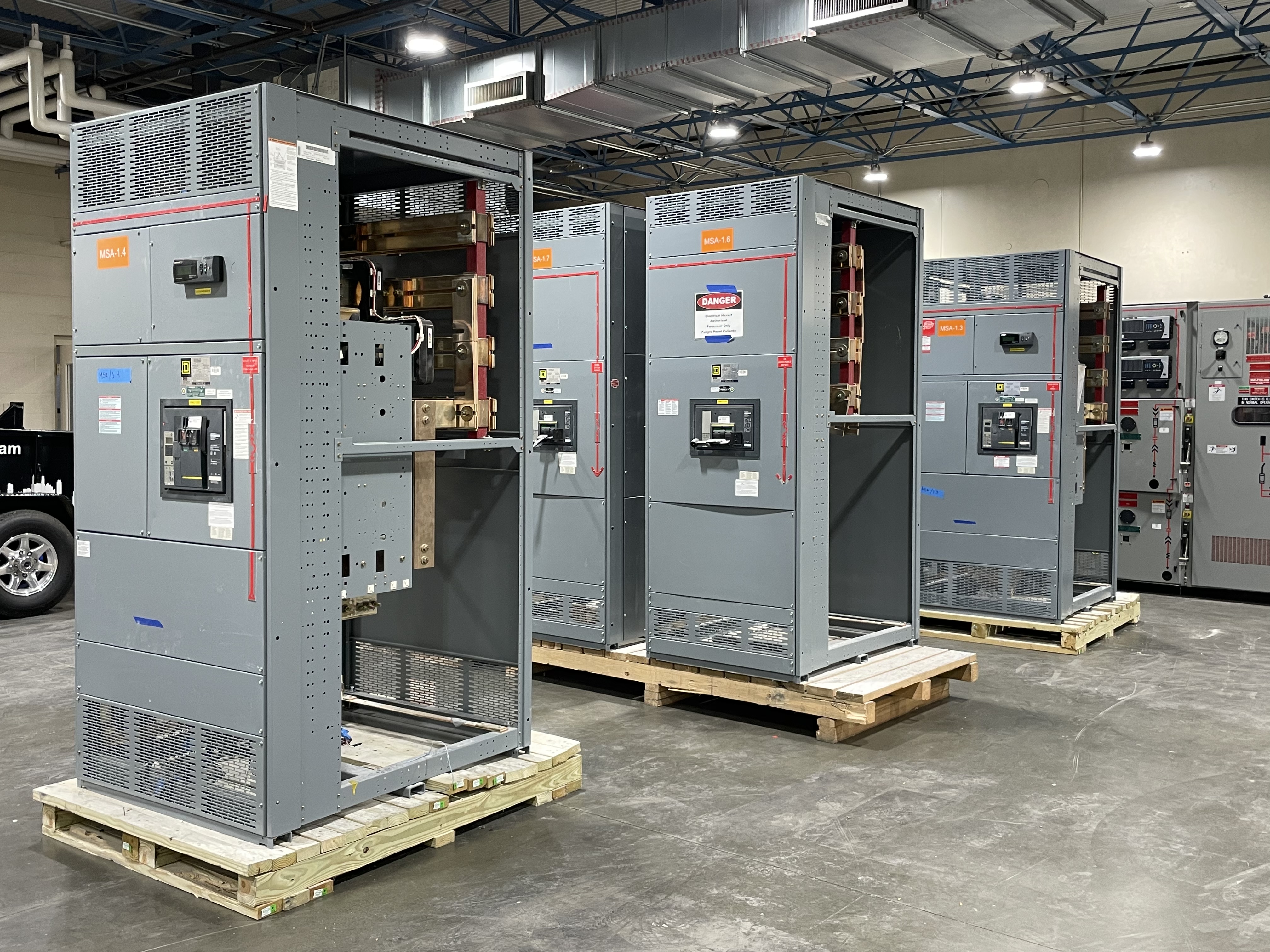
Separate installed assemblies from loose devices
Start with the schedule’s own grouping: identify each panelboard assembly as listed, then make a separate count or inventory group for loose breakers. Do not combine device quantities with assembly quantities or assume a loose breaker belongs in a particular panelboard. Keep identifiers and descriptions tied to the source record where possible. This distinction supports a clearer review of what is being offered while avoiding unsupported conclusions about fit, application, or compatibility. If records are incomplete, mark the detail as unknown rather than filling gaps through inspection or handling.
Use records already available
Useful documentation may include an existing asset schedule, prior inventory, removal or renovation scope, and records that accompany the equipment. Share only information your organization is authorized to disclose. Existing descriptions can help distinguish assembly entries from separate device entries, but a schedule is not proof of condition or technical suitability. If the records do not identify a rating or configuration, leave it unreported. No seller testing, measurements, fabrication, staging, or equipment preparation is required to request an assessment; missing data can be noted plainly and considered individually.
Keep rating fields distinct
Where existing records support them, report nominal system voltage separately from assembly voltage and continuous current. For loose breakers, record device frame, trip rating, and interrupting rating as distinct fields only when documented. These values describe different characteristics; one cannot be used as a substitute for another, and matching a panelboard entry to a breaker by appearance or a single number does not establish compatibility. Do not infer specifications from a brand, model fragment, or nearby equipment. If a record is ambiguous, preserve the original wording and flag the uncertainty for review.
Describe condition without creating exposure
Do not approach, touch, operate, test, open, disconnect, remove, or move equipment that is energized or potentially energized. Electrical work, where needed for site purposes, must be performed only by qualified, authorized personnel under applicable site rules. For a purchase inquiry, photographs are optional and limited to safely accessible equipment exteriors and exterior labels or nameplates, taken from site-authorized safe positions. Never open a cabinet or photograph its interior. If a label is inaccessible without entering a restricted area or changing equipment state, omit the image and rely on records.
Clarify scope and exclusions
Tell the buyer which schedule entries and separate breaker groups are included in the proposed sale, and identify any items excluded or retained by the site. A mixed inventory can be reviewed, but inclusion is not automatic: each offer and acceptance is individually assessed based on the information available and the agreed scope. The buyer purchases equipment across all voltage classes and also considers equipment from decommissioned data centers and shut-down power plants. Those broad categories do not guarantee acceptance of a particular panelboard, breaker, quantity, or condition.
Plan a controlled handover
Once a panelboard purchase is agreed, the buyer covers necessary disconnects, loading, freight and hauling as well as crane support and rigging. The seller does not hire or pay a removal crew. Site access, timing, authorization, and safe work boundaries must be coordinated before any handover activity. Electrical tasks remain subject to site rules and qualified, authorized personnel. Do not prepare equipment by disconnecting or moving it. The buyer pays upfront for agreed purchases, with payment arrangements confirmed as part of each individual agreement.
Request an assessment without overpromising
Submit the available schedule, separate assembly and loose-device counts, known exclusions, and any existing records that clarify identity or ratings. State which details remain unknown rather than arranging tests or measurements. The buyer makes cash offers and pays upfront for agreed purchases, but neither an offer nor its timing is guaranteed; each opportunity is assessed individually. The purchase scope covers the agreed equipment and logistics only. It does not imply acceptance of every listed item, unrelated demolition, or hazardous-material remediation. A concise, record-based description is usually the safest starting point.