Trace title separately from site control
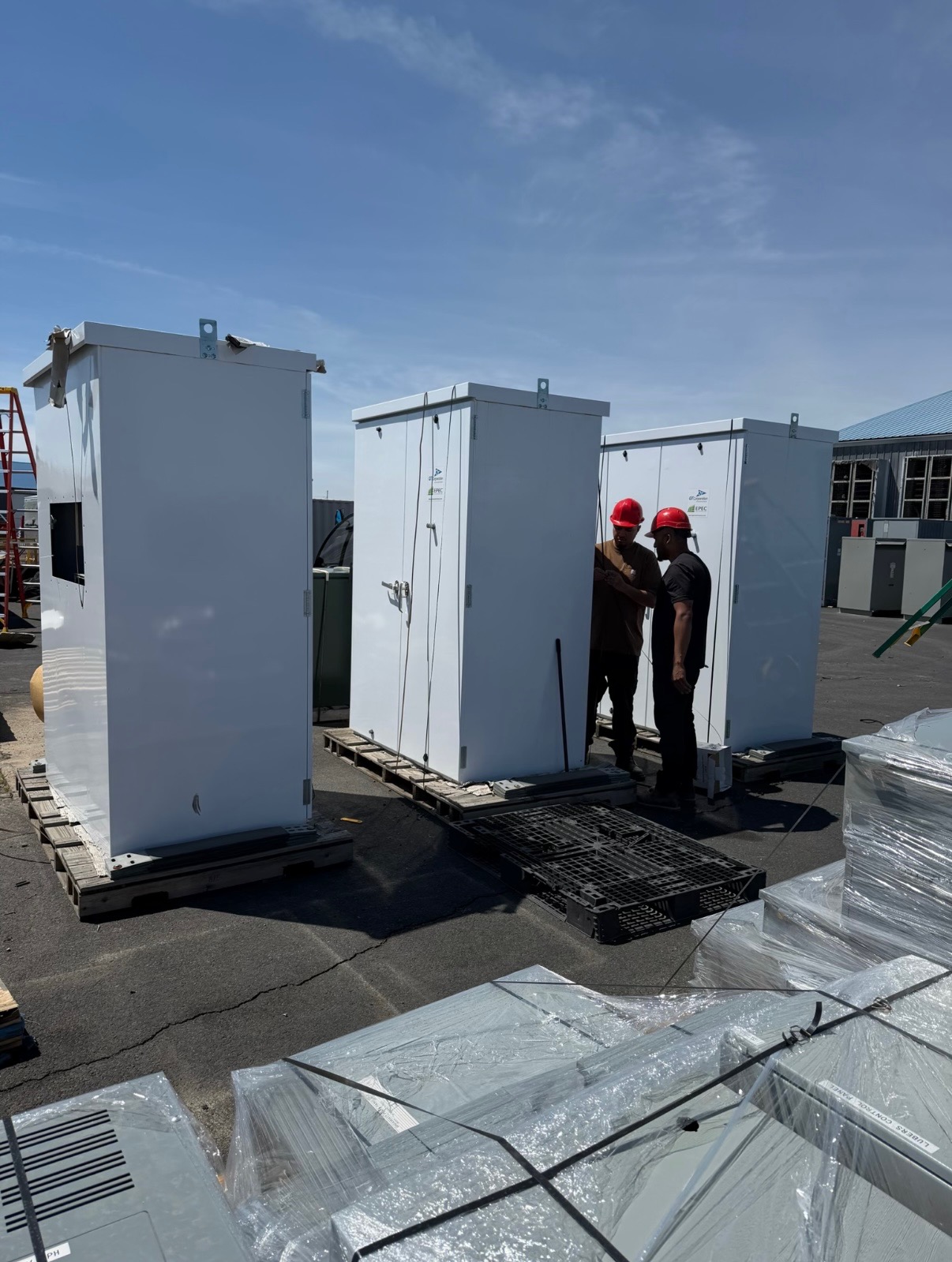
If an investor acquires a property with switchgear still installed, do not assume the person holding keys owns the equipment. Check the deed and acquisition documents, then look for language addressing fixtures, excluded assets, personal property, lender interests, and items left by a former owner or tenant. A purchase agreement may transfer the real estate while treating specific equipment differently. The current owner or an authorized representative must establish the right to sell; a property manager’s authority to arrange access does not necessarily include authority to convey assets. Record who owns the switchgear, who can approve a sale, and who controls entry before requesting an offer.
Resolve competing claims before scheduling
Consider a purchase where the former occupant says the gear was leased, while the investor’s closing file lists it as included property. Those statements do not settle ownership. Ask for documents that clarify the claim, such as a bill of sale, lease, lien release, closing addendum, or written authorization from the party entitled to sell. If a lender, receiver, tenant, or prior owner may retain rights, obtain the relevant party’s written consent rather than relying on an informal assurance. Keep the proposed asset list specific enough to distinguish included switchgear from equipment another party may own. A buyer assesses assets individually; unresolved title can delay or prevent a transaction.
Separate sale approval from access approval
Even after ownership is clear, identify who may authorize entry and the work window. An investor could own the gear while a tenant, building operator, security provider, or site manager controls access under a separate agreement. Ask who can approve visitor credentials, escort requirements, delivery and pickup hours, loading-area use, and any restrictions on noisy or lifting work. Put the approved dates or scheduling process in writing, along with the person who can confirm changes. Do not treat a sale agreement as permission to enter. Access conditions should be agreed by the authorized site contact and followed by everyone involved; electrical work remains subject to site rules.
Define the equipment without unsafe inspection
For an offer, describe what is known without asking an unqualified person to inspect or test installed gear. From an authorized, safe position, photographs may show accessible exterior nameplates and equipment; never approach, touch, open, operate, or photograph energized equipment. Share available records and identify uncertainties: switchgear lineup, separately listed breakers, known quantities, apparent condition, and whether trip units or other components are included. A breaker is not the same thing as a frame or trip unit, and nominal system voltage is distinct from an equipment rating. Do not infer ratings or compatibility from appearance. No seller testing or preparation is required, and equipment from any voltage class may be considered individually.
Compare scope and cash terms carefully
Once title, inventory, and access are understood, compare the proposed scope rather than focusing only on a headline amount. Ask whether the offer covers the identified assets as a group or assesses components individually, and what assumptions could change that assessment. The buyer makes cash offers and pays upfront, with terms confirmed for the particular transaction; acceptance, pricing, and outcomes are not guaranteed. Confirm the payment arrangement and the assets included in writing before authorizing removal. If the property owner needs proceeds for a closing or another obligation, align the expected payment point with documented sale approval instead of relying on an assumed timetable.
Plan removal around responsibility and site rules
Ask who coordinates qualified electrical work and what removal window the site can actually authorize. Electrical disconnects and related work must be performed by qualified, authorized personnel under site rules; sellers should not perform testing, disconnects, or preparation. For an accepted transaction, the buyer covers agreed crane, rigging, disconnects, loading, freight, and hauling, with the removal plan subject to site access and individual assessment. Clarify who approves lift access, staging, and the loading route, and document any limits that affect scheduling. Do not assume unrelated demolition or hazardous-material remediation is included. A clear boundary between included equipment work and other property obligations helps the investor avoid committing beyond its authority.