Establish ownership before discussing removal
Pad-mounted switchgear may serve customer facilities while sitting near utility infrastructure, but location alone cannot settle ownership. Check available purchase records, asset registers, leases, one-line diagrams, service agreements and decommissioning documents for clues about title and control. Some records may identify a utility interface without showing who owns the switchgear itself. Confirm who has authority to approve an assessment, grant site access and authorize a sale; involve the property owner, asset owner or utility contact as appropriate. Do not assume that a customer can sell equipment merely because it is on customer property, or that every nearby assembly belongs to the utility. Clarify permissions before any site visit or handover planning.
Describe the equipment using records, not assumptions
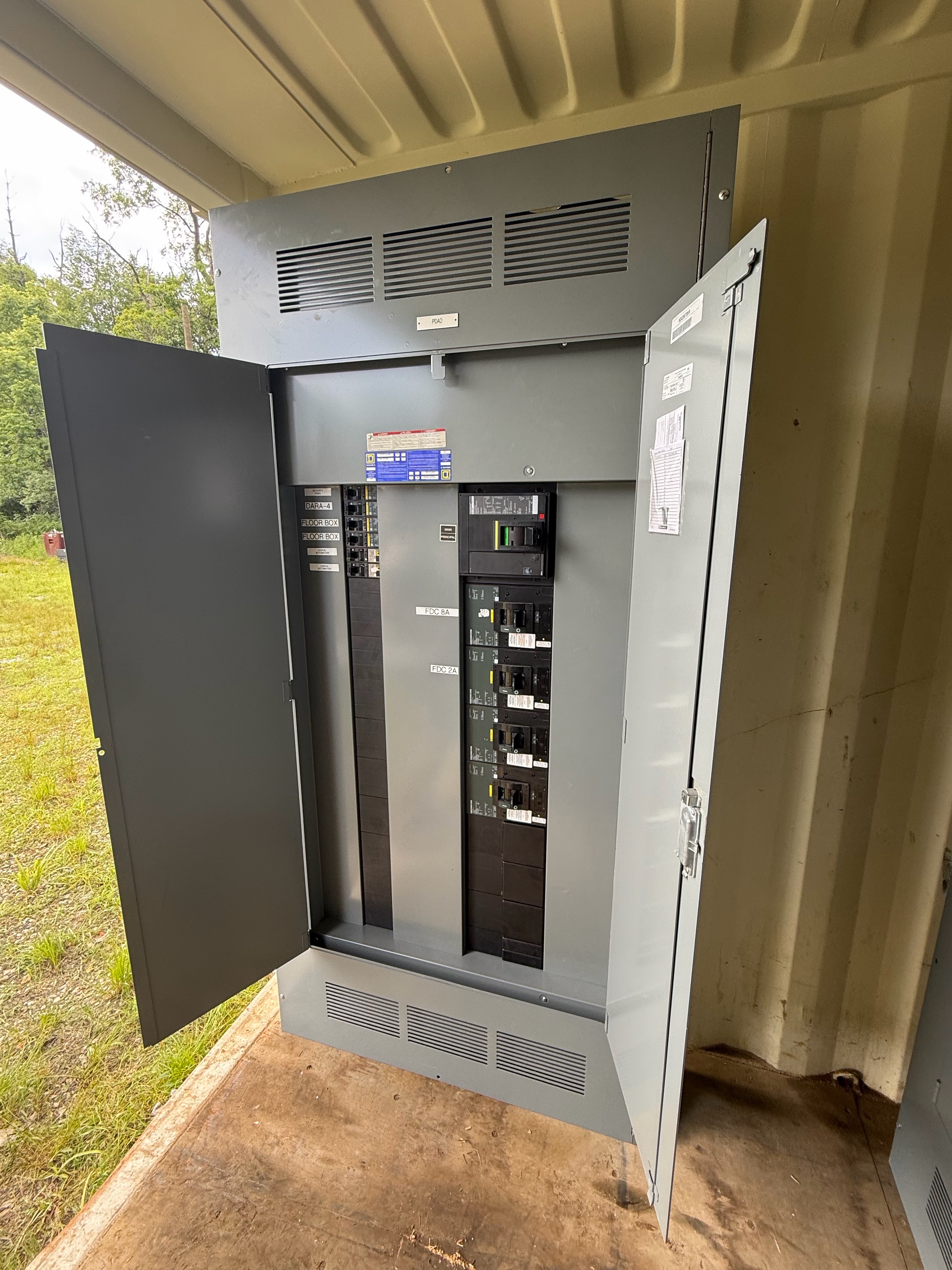
For an initial review, share what existing records say about the pad-mounted switchgear: its recorded function, location, known asset identifier, available drawings and any documented service history. If safe and site-authorized, photographs may show only accessible exterior surfaces and exterior labels or nameplates from an authorized safe position. Never open a cabinet or photograph its interior. A label or drawing may be incomplete, outdated or refer to a different part of the installation, so identify uncertainty rather than filling gaps with guesses. If no records are available, say so; do not measure, stage, fabricate information or arrange testing to request an assessment. A buyer can review an asset without asking the seller to perform technical work.
Keep electrical ratings distinct
Switchgear records can contain several values that describe different things. Preserve the distinction between nominal system voltage, assembly voltage and continuous current; do not substitute one for another. Device frame, trip and interrupting ratings are also separate fields, not interchangeable measures or proof of suitability. Report each value only when an existing record supports it, and attribute the source where practical, such as a drawing, asset schedule or exterior nameplate. A missing or unclear value is an unknown, not an invitation to infer a specification. Ratings alone do not establish condition, compatibility or buyer acceptance. The independent buyer considers equipment across all voltage classes, but each proposed purchase is assessed individually.
Set condition boundaries honestly
Useful context may include recorded decommissioning status, known damage, missing components or restrictions on access, provided the information comes from existing records or responsible site personnel. Do not operate, touch, open, approach, test, disconnect, remove or move equipment that is energized or potentially energized. Any electrical work must be performed only by qualified, authorized personnel under site rules. The buyer does not require seller testing to request a purchase assessment. State known exclusions plainly, including assets that are not included, equipment subject to another party’s ownership, or items the seller cannot authorize for transfer. An assessment is not a guarantee of acceptance, price or schedule, and unknown condition may affect an individual offer.
Plan handover around site authority
Before an agreed purchase, establish the authorized site contact, access conditions, applicable safety rules and any required coordination with the utility or other asset owner. The seller should not arrange electrical work or removal on the buyer’s behalf. For an agreed purchase, the buyer covers necessary crane, rigging, disconnects, loading, freight and hauling under the agreed scope; the seller does not hire or pay a removal crew. These arrangements do not authorize work on equipment or infrastructure outside the purchase. Qualified, authorized personnel must perform electrical work under site rules, and the buyer and site representatives should coordinate timing and access before the handover. No removal plan should proceed without required permissions.
Request an assessment without a commitment
Send the equipment description, ownership or authorization status, available records and any safe exterior images to support an initial review. The same buyer considers surplus equipment from many settings, including decommissioned data centers and shut-down power plants, and purchases equipment across all voltage classes. For an agreed purchase, the buyer makes a cash offer and pays upfront according to the agreed terms. Each asset and offer is individually assessed; neither acceptance, price nor timing is guaranteed. A request does not commit the seller to a transaction, and it does not authorize entry, electrical work or removal. If ownership or access rights remain uncertain, resolve those questions before treating the equipment as available for sale.