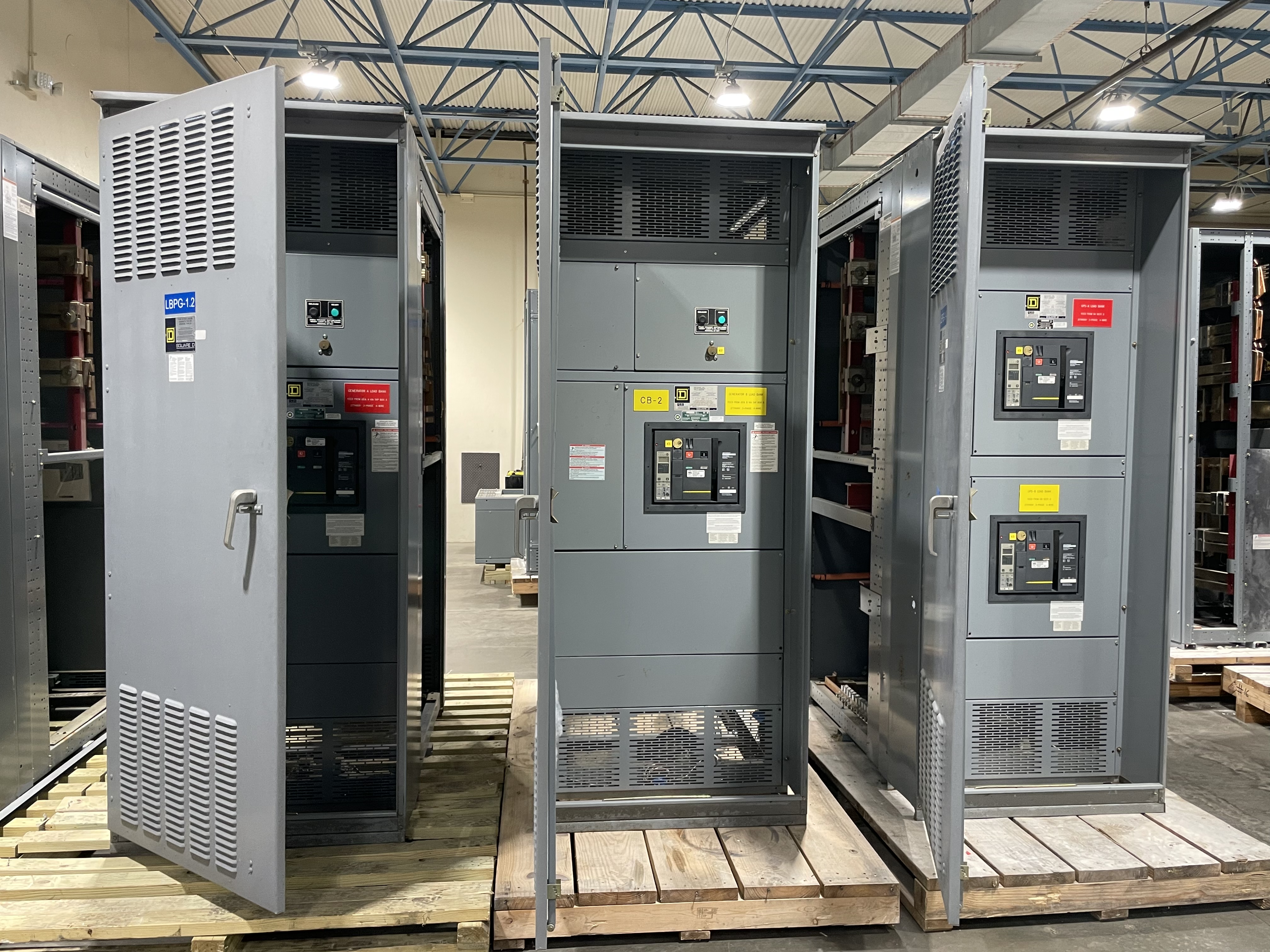
Start with the storage history, not an assumption about condition
If a lineup has been stored outdoors, note whether it sat beneath a roof or was fully exposed, and for roughly how long if that information is known. Roof cover may reduce direct rain and sun exposure, yet wind-driven moisture or roof leaks can still matter. Exposed storage may leave more visible weather effects, but surface appearance is not a technical assessment. Record the storage arrangement and any known changes in a concise inventory. Do not open enclosures or approach equipment to investigate; electrical inspection belongs to qualified, authorized personnel under site rules.
Document visible weather effects from a safe position
From an authorized safe position, describe only what is plainly observable on accessible exterior surfaces: for example, a damaged roof panel, visible corrosion, a broken door, standing water nearby, or faded labeling. Distinguish observations from conclusions; “rust visible at the lower exterior” is more useful than declaring the interior ruined. Photographs should show only safely accessible exterior nameplates and equipment, taken without approaching, touching, opening, or otherwise handling it. If safe access is uncertain, skip the photograph and provide a written note instead. Do not energize, test, or move equipment to improve documentation.
Compare covered and exposed lineups item by item
A roofed lineup and an exposed lineup in the same yard may warrant separate descriptions rather than one broad condition statement. Identify each assembly by its location in the seller’s records or an existing inventory label, then note its storage exposure and visible exterior differences. If one section has a protective cover and another does not, document that distinction without implying that the covered section is serviceable. An assembly’s condition, completeness, and resale potential are assessed individually. Clear separation helps a buyer consider the actual group offered instead of treating every section as identical.
Check truck access before discussing pickup logistics
Yard access can change the practical plan even when the equipment itself is identifiable. Ask whether a truck can reach the staging area, whether gates or turning space constrain access, and whether the route includes overhead obstructions or soft ground. Use site records or observations made from an authorized safe position; do not approach electrical gear to measure around it. If access is restricted, describe the constraint early so pickup requirements can be evaluated. Crane, rigging, disconnects, loading, freight, and hauling are buyer-paid considerations, subject to individual assessment and safe site arrangements.
Account for accessories without disturbing the lineup
Loose accessories can affect how a lineup is described and evaluated, so list what the seller already knows accompanies each group: for example, separately stored breakers, handles, keys, drawings, or unused components. Do not retrieve items from inside or beside electrical equipment, or handle anything whose safe status is uncertain. A simple inventory can distinguish “known to accompany” from “not confirmed,” and can note whether items are stored separately. If accessories are mixed among several lineups, flag the uncertainty rather than assigning them by guesswork. This avoids confusion about completeness without asking the seller to prepare or test equipment.
Describe electrical identity accurately, without inferring ratings
When safely accessible exterior nameplates are available, provide their readable information as observed; do not infer a rating from a breaker’s appearance or a lineup’s size. An assembly, breaker, bus, frame, trip, nominal voltage, and rating are distinct identifiers, and one does not establish the others. If a field is obscured or unreadable, say so rather than estimating. The buyer considers equipment across all voltage classes, but acceptance and offer decisions depend on the particular assets and available information. No seller testing is required, and no one should energize or open equipment to fill in missing details.
Make the offer discussion fit the seller’s responsibilities
If you own the equipment or have authority to sell it, share the inventory, storage notes, safe exterior documentation, accessory list, and access constraints for individual review. Offers are assessed case by case; there is no guaranteed acceptance, price, or schedule. For accepted equipment, the buyer offers cash and pays upfront, with freight and pickup work arranged as applicable rather than requiring seller testing or preparation. All electrical work, including disconnecting, must be performed by qualified, authorized personnel under site rules. This keeps the decision grounded in the actual yard conditions and avoids unsafe seller handling.