Separate property permission from work authorization
Before discussing a possible hoist, identify who controls the property and who can authorize access to the exterior route. A landlord, facility owner, site operator, or other party may have separate approval requirements; do not assume one person’s consent covers them all. Ask the relevant contacts what permissions and documents they require, and whether access is limited by operating hours, security procedures, or designated contractors. These are planning questions, not authority to begin work. No equipment should be approached or handled to investigate the route, and any eventual work must follow site rules.
Describe the route using records, not guesswork
Useful route information can include existing site drawings, approved access plans, building elevations, and records of known restrictions. Share only records you are authorized to provide, and distinguish documented facts from items that still need professional review. Potential concerns may include canopies, glazing, utility lines, landscaping, traffic lanes, neighboring property, or limited access for vehicles. A seller need not measure, inspect overhead conditions, or create a route plan. A qualified planning team determines what information is adequate and whether a proposed path can be considered safely under the property’s requirements.
Make obstructions and unknowns explicit
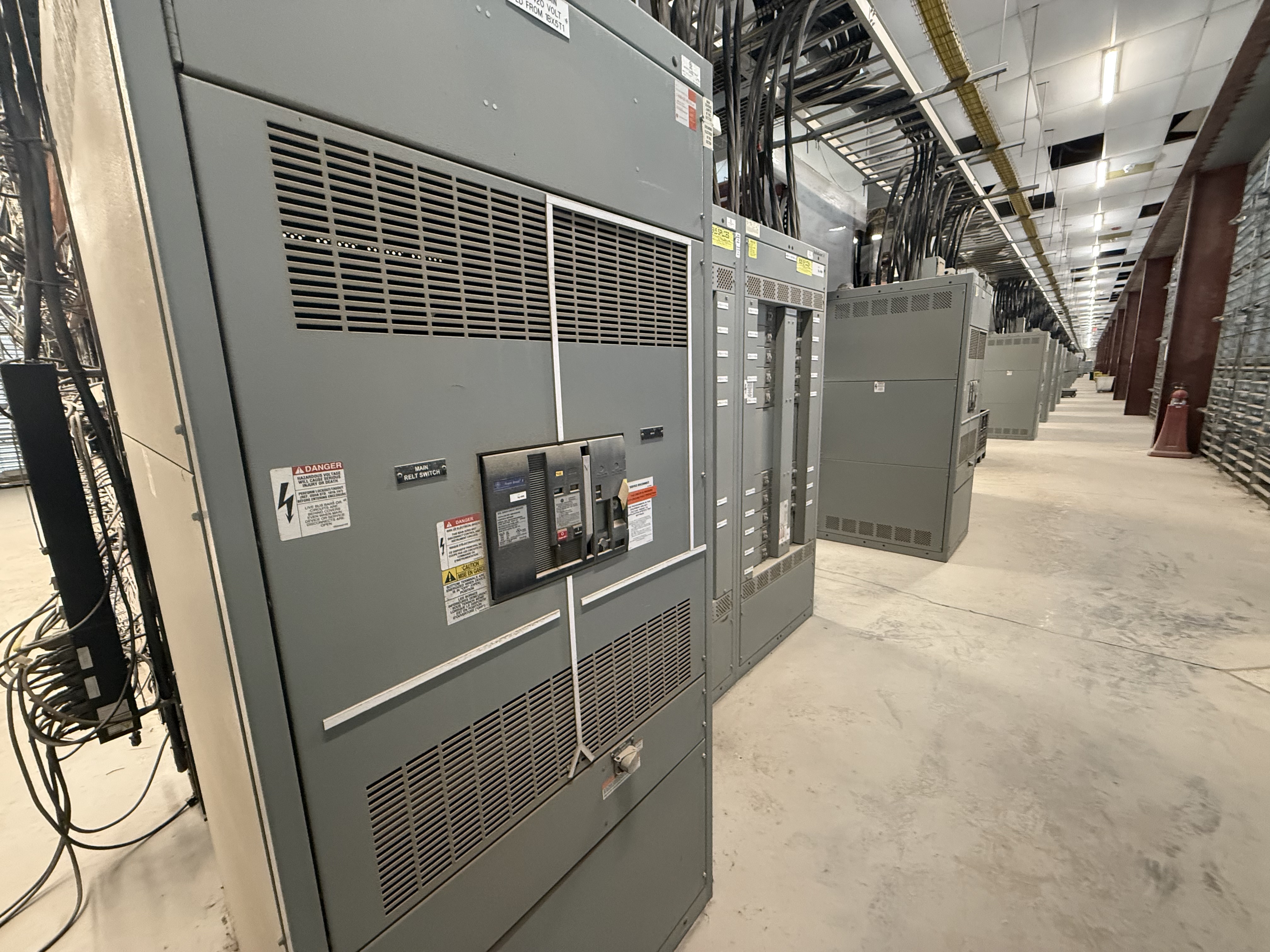
List visible or documented constraints without trying to resolve them yourself: restricted zones, occupied areas, access gates, surface conditions, nearby services, or rules about blocking roads and walkways. Note when information is incomplete rather than treating an unknown as clear. Existing records may not reflect current conditions, and a photograph cannot establish load capacity, clearances, or permission. Do not approach, touch, open, operate, test, disconnect, remove, or move energized or potentially energized switchgear. Route review and all electrical work belong to qualified, authorized personnel working under applicable site rules.
Share equipment records without creating new tests
For an initial purchase assessment, provide available inventories, prior asset records, or exterior nameplate details already documented safely. If photos help, send only images of safely accessible equipment exteriors and exterior labels or nameplates, taken from site-authorized safe positions. Never open a cabinet or take interior photographs. Do not arrange testing, measurements, staging, or seller preparation to request an assessment. Voltage and current descriptions must remain tied to their records: nominal system voltage, assembly voltage, continuous current, device frame, trip rating, and interrupting rating are distinct values, not interchangeable shorthand.
Agree on responsibilities before scheduling
A route discussion does not itself approve a purchase or authorize removal. If both parties agree to a purchase, the buyer covers the necessary crane, rigging, disconnects, loading, freight, and hauling within the agreed scope; the seller does not hire or pay a removal crew. Electrical work may be performed only by qualified, authorized personnel under site rules. Confirm the approved access window, responsible site contacts, required documentation, and handover boundaries before scheduling. Any work outside the agreed purchase scope, including unrelated demolition or hazardous-material remediation, is not implied by the hoist discussion.
Understand the purchase decision and payment
The buyer assesses each asset and route individually; an exterior route that appears feasible does not guarantee acceptance, price, or timing. The business buys used, surplus, and decommissioned electrical equipment across all voltage classes, including equipment from decommissioned data centers and shut-down power plants. For agreed purchases, it makes a cash offer and pays upfront under the agreed terms. A seller can request an assessment using available records without testing or preparing the equipment. The offer depends on the specific equipment, information available, site permissions, and agreed removal scope.
Use a clear, safe handover
Before any handover, document what equipment is included, what records accompany it, who has site authority, and which access conditions remain outstanding. Keep possession and access arrangements distinct from approval to perform electrical or rigging work. Do not move equipment to improve access or meet a proposed schedule. If permission is denied or a route constraint remains unresolved, pause planning and revisit the scope with the responsible property and site contacts. A practical assessment can identify next questions, but only authorized professionals and the site’s approval process determine whether work may proceed.