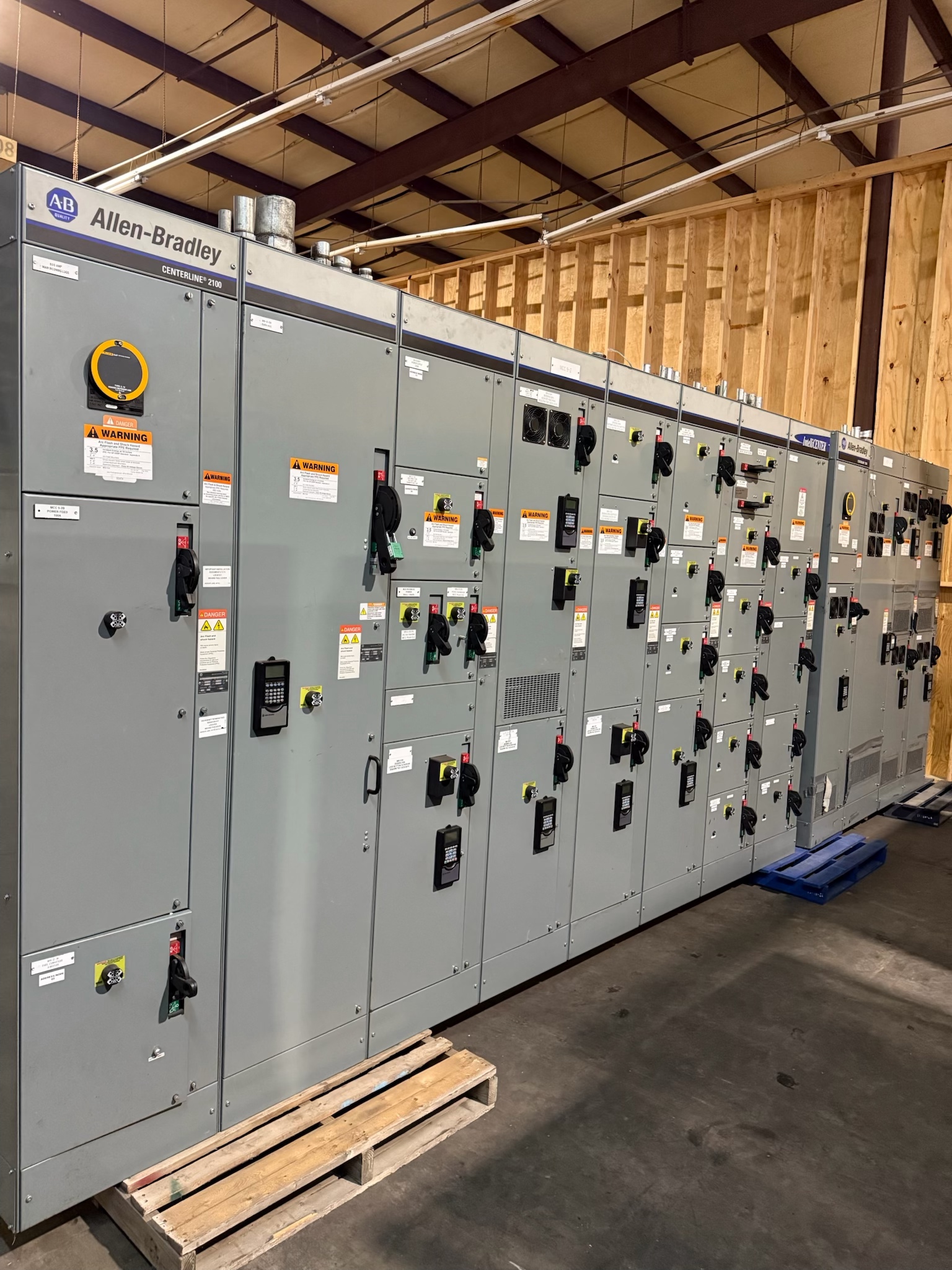
Set the sale boundary before demolition planning
Identify the switchgear and associated items being offered, using existing records and descriptions rather than assumptions about what a demolition scope includes. Clarify whether the proposed sale covers complete assemblies or only identified components, and note anything expressly excluded, such as building services, cabling, foundations, or unrelated electrical equipment. The buyer may assess used, surplus, or decommissioned equipment of all voltage classes, including equipment from decommissioned data centers and shut-down power plants. Assessment does not guarantee acceptance of any particular asset. Keep demolition, structural work, and hazardous-material remediation outside the equipment purchase unless separately arranged by responsible parties.
Use records to describe assets, not to infer ratings
Gather available asset lists, one-line diagrams, maintenance or decommissioning records, and exterior nameplate information. Records can help identify equipment and reveal gaps, but should not be treated as proof of condition or compatibility. Keep distinct any documented nominal system voltage, switchgear assembly voltage, continuous-current rating, device frame, trip setting or rating, and interrupting rating; do not substitute one for another. If details are missing or inconsistent, mark them unknown rather than estimating. A buyer can review the information for an individual purchase assessment without requiring the seller to test, measure, open cabinets, or create new technical documentation.
Agree who controls safe access and electrical status
Before any site visit or removal planning, the owner and relevant site authority should define access, electrical status, work boundaries, permits, and the handover point. Never approach, touch, operate, open, test, disconnect, remove, or move equipment that is energized or potentially energized. Electrical isolation and any other electrical work must be planned and performed only by qualified, authorized personnel under site rules. The buyer does not replace the site’s electrical authority or direct unsafe work. If status or access is uncertain, pause coordination until the responsible site personnel resolve it; demolition pressure is not a reason to bypass controls.
Make contractor responsibilities explicit
Separate the equipment transaction from the demolition contractor’s scope in writing. Identify who approves access, controls the work area, coordinates permits and site escorts, and confirms that the agreed handover conditions have been met. For an agreed purchase, the buyer covers necessary crane, rigging, disconnects, loading, freight, and hauling; the seller does not hire or pay a removal crew. Confirm how the buyer’s removal arrangements interface with site rules and the demolition schedule. This does not make the buyer responsible for building demolition, general site clearance, or hazardous-material remediation, and it does not authorize work beyond the agreed equipment scope.
Plan the handover around real site constraints
Discuss the available access route, delivery or pickup windows, security procedures, overhead or floor constraints documented by the site, and any restrictions on vehicle or lifting operations. The seller is not expected to stage equipment, prepare a route, fabricate lifting points, or arrange removal labor for an assessment. The parties should agree in advance how the removal crew will gain authorized access and when control of the identified equipment transfers. If demolition activity changes the route or access window, reschedule through the site contact rather than attempting an informal workaround. Logistics and timing depend on the individual site and accepted scope.
Share only safe exterior information
For an initial review, provide existing records and, if useful, photographs limited to safely accessible equipment exteriors and exterior labels or nameplates, taken from positions authorized by the site. Do not open a cabinet, remove a cover, enter a restricted area, or take interior photographs. Do not approach equipment to obtain a better image if its status or access conditions are uncertain. No seller testing or measurements are required. The buyer makes cash offers and pays upfront for agreed purchases, with the offer and acceptance assessed individually. Neither a particular price nor a removal date is guaranteed before the details are reviewed and agreed.
Keep exclusions and schedule contingencies visible
Record unresolved items before demolition mobilization: uncertain asset identity, unavailable records, access restrictions, pending site approvals, and any equipment excluded from the proposed purchase. A buyer may decline an asset or revise an assessment as information and scope are reviewed; an inquiry is not a commitment to buy. Do not count on equipment removal until the purchase and handover arrangements are agreed by the responsible parties. If an agreement is not reached, the owner and demolition contractor must determine their own lawful project plan. The buyer’s role is limited to an agreed equipment purchase and its necessary removal logistics, not demolition or remediation.