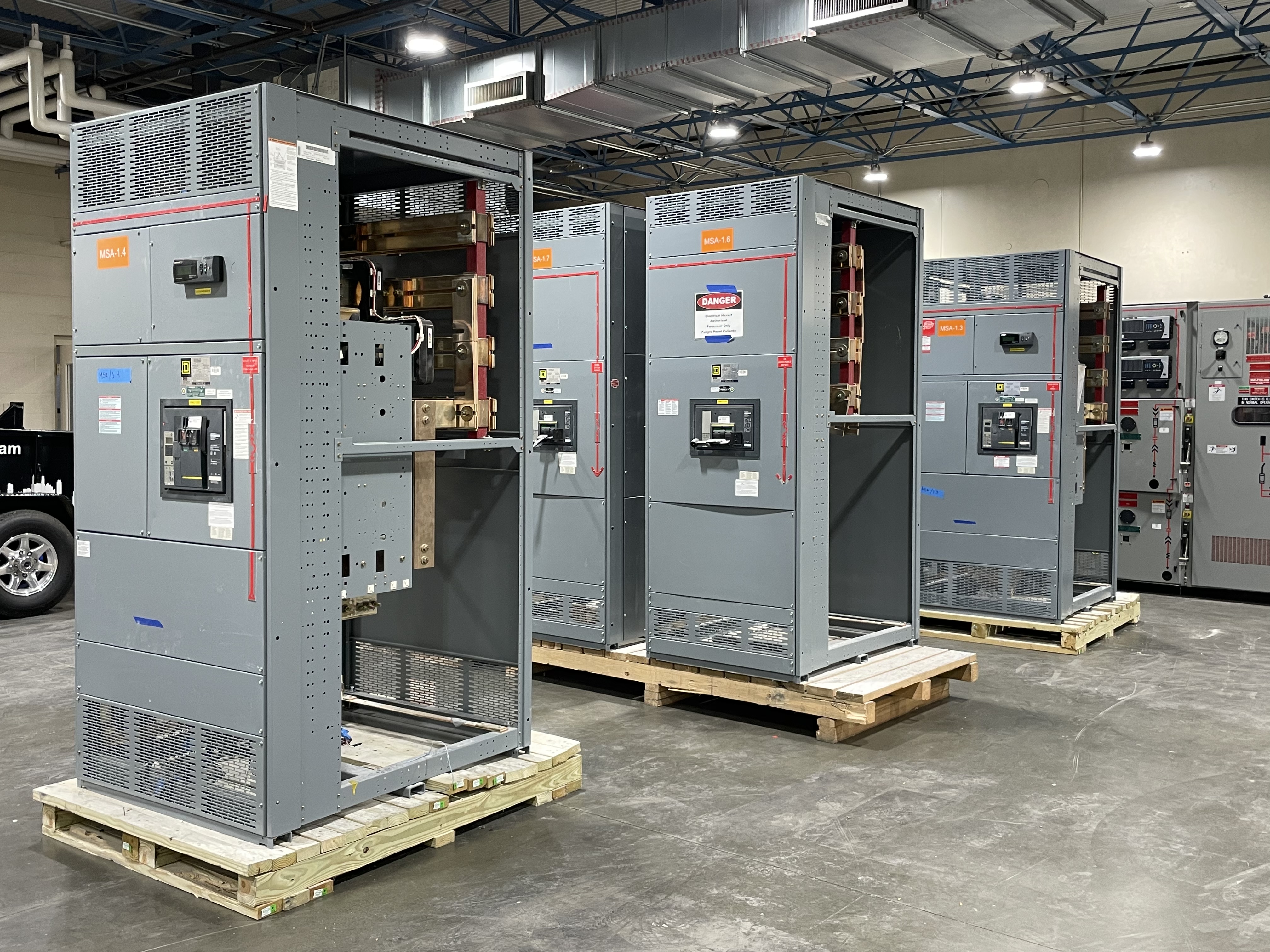
Start with the permitted route
Before discussing a pickup plan, identify who can authorize entry and which gate, hours, and vehicle routes are permitted. A public map or visible entrance does not establish that a truck may use a particular driveway, cross a controlled area, or enter an electrical yard. Ask the site contact about check-in, escort requirements, access restrictions, overhead obstructions, turning limits, and any vehicle-size or weight rules already in force. Share those requirements during purchase discussions so a feasible approach can be considered. Do not enter restricted areas or approach switchgear to gather details; site-authorized staff can provide information without asking you to take risks.
Check the ground and operating constraints
Ground conditions can shape whether equipment can be reached and loaded, but sellers should not inspect, probe, or measure surfaces for a buyer. Relevant existing information may include site vehicle limits, known pavement or yard restrictions, seasonal access closures, drainage concerns, and designated routes that must remain clear. The buyer and authorized site representatives can discuss whether the intended truck and lifting arrangement fit those limits. Do not assume that a visible paved area can support heavy vehicles or lifting equipment. If restrictions are unknown, treat them as unresolved planning questions; the site’s authorized personnel determine what access is permitted under its rules.
Agree on a loading location
A practical loading point needs to work with site operations, the equipment’s location, and the planned removal method. It may be necessary to preserve fire lanes, keep gates available, avoid underground services or restricted zones, and coordinate with other contractors. These are matters for discussion, not reasons for a seller to relocate, stage, or prepare equipment. Once the yard equipment is purchased by agreement, the buyer covers the necessary crane and rigging, disconnects, loading, hauling and freight. The seller does not hire or pay a removal crew. The scope is limited to the agreed equipment and logistics, not unrelated demolition.
Use records, not unsupported ratings
Existing asset lists, nameplate records, drawings, maintenance files, and decommissioning documents can help identify equipment without requiring seller testing. Provide records that are already available and note gaps or conflicting descriptions. Keep distinct values distinct: nominal system voltage, assembly or equipment voltage, continuous current, device frame, trip setting or rating, and interrupting rating are not interchangeable. A value should be represented only when supported by records, and a record may not establish condition, compatibility, or suitability for a particular removal plan. No seller testing, measurements, fabrication, or staging are required to request an assessment. Electrical work is restricted to qualified, authorized personnel working under site rules.
Share safe exterior information
If useful and permitted, photographs should show only safely accessible equipment exteriors and exterior labels or nameplates, taken from site-authorized safe positions. Do not approach, touch, open, operate, test, disconnect, remove, move, or handle equipment that is energized or potentially energized. Never open a cabinet or take interior photographs; a closed exterior image is enough to begin a conversation. If equipment cannot be photographed safely from an authorized position, rely on existing records or have site personnel provide information through approved channels. Images and documents support an initial review but do not guarantee that the buyer will accept an asset.
Confirm scope before handover
Each offer and acceptance is assessed individually, so neither price nor pickup timing is guaranteed. For agreed purchases, the buyer makes a cash offer and pays upfront under the agreed terms, then coordinates necessary removal logistics with the seller and authorized site contacts. Confirm the equipment included, access approvals, loading location, site scheduling, and any limits on contractor entry before work is arranged. Electrical disconnects and related electrical tasks must be handled only by qualified, authorized personnel under site rules. The purchase does not include unrelated demolition or hazardous-material remediation. A clear handover plan helps avoid unauthorized access and keeps seller responsibilities distinct from buyer-funded removal arrangements.