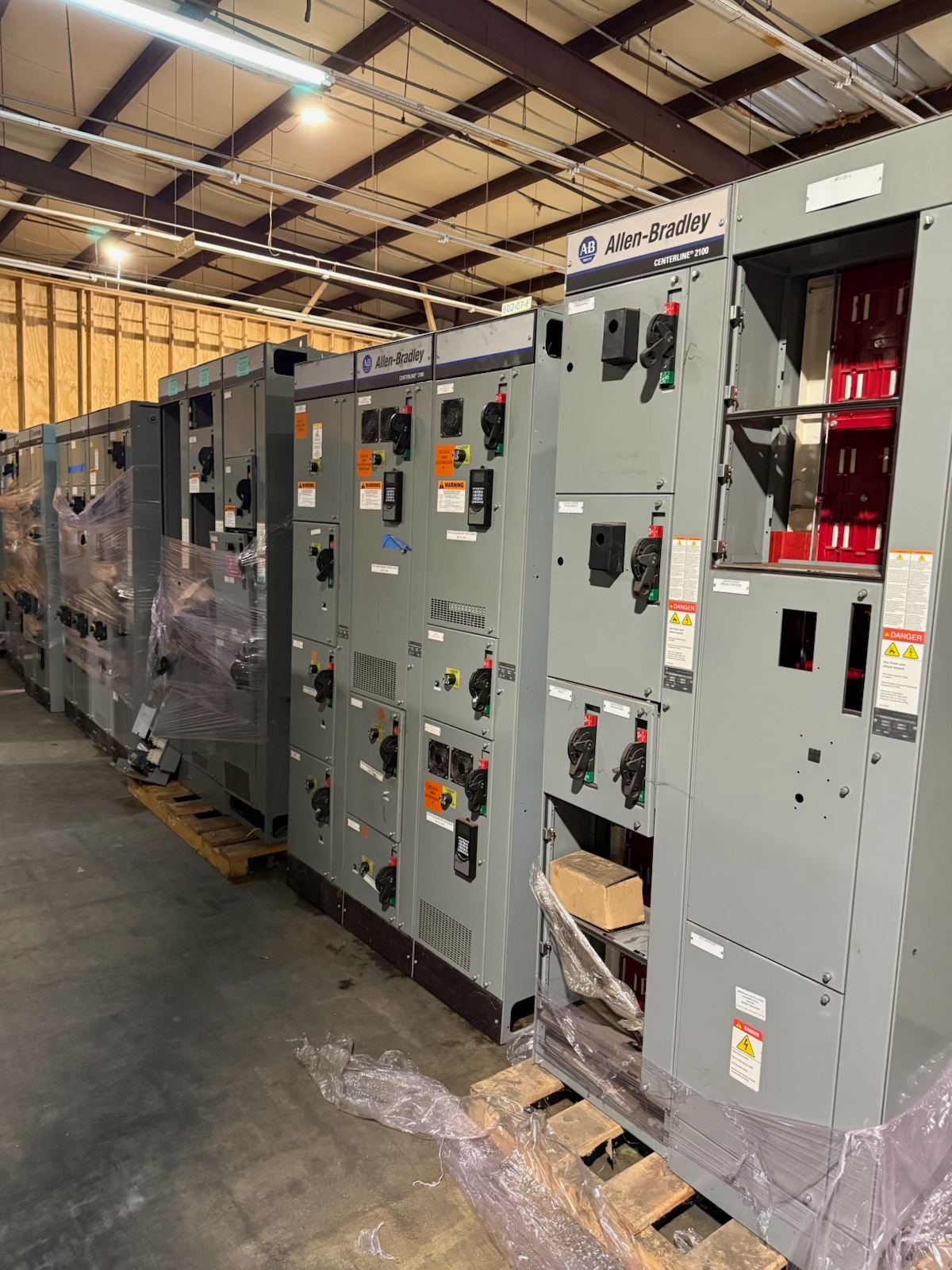
Separate sale authority from site access
Start by identifying the equipment’s owner and the person authorized to accept a purchase offer. A tenant may operate switchgear without owning it; a landlord may own the building but not the installed assets. Lease terms, purchase records, or asset schedules may clarify the distinction, but do not assume that possession establishes title. Separately, obtain permission from the party controlling entry and the proposed removal route. A seller can request an assessment without asserting ownership prematurely; the buyer will assess each proposed purchase individually and may need confirmation of sale authority before proceeding.
Get route approval before agreeing logistics
Approval to enter the building is not automatically approval to use a loading bay, corridor, freight lift, yard, or exterior access point. Ask the landlord and site operator to identify applicable access hours, escort requirements, floor or doorway restrictions, shared-area rules, and any required insurance or contractor documentation. These are questions for the parties controlling the premises, not assumptions about a particular Georgia property. A route may need separate written approval, especially if it crosses common areas or another tenant’s space. If an acceptable route cannot be authorized, the equipment may not be practically removable under the proposed purchase.
Keep electrical release with qualified personnel
Access permission and sale authority do not establish that switchgear is safe to disconnect. Electrical work, including isolation and release for removal, must be performed only by qualified, authorized personnel under site rules and applicable procedures. Do not approach, touch, open, operate, test, disconnect, remove, or move equipment that is energized or potentially energized. The buyer does not require seller testing to request a purchase assessment. Clarify which site-authorized personnel will control electrical release and when the removal crew may enter the approved work area; unresolved electrical status is a reason to pause, not improvise.
Share existing records and label what is unknown
Useful records may include asset schedules, prior sale or ownership documents, one-line diagrams, drawings, maintenance records, and existing equipment schedules. Share only information already available; do not create measurements, conduct tests, stage equipment, or fabricate documentation for an inquiry. If ratings are reported, preserve the record’s distinctions: nominal system voltage is not assembly voltage, and continuous current is not device frame, trip, or interrupting rating. If a value is absent, unclear, or unverified, say so. For visual context, provide photos only of safely accessible exteriors and exterior labels or nameplates, from site-authorized safe positions; never open a cabinet or photograph its interior.
Agree the removal scope, not a wider project
For the equipment purchase agreed by both parties, the buyer covers needed crane support, rigging and disconnects, together with loading, hauling and freight. The seller does not hire or pay a removal crew. Confirm in writing which assets are included, the approved route, site coordination, and the handover boundary so neither party assumes that unrelated building work is included. A switchgear purchase is not a commitment to demolish the property, clear unrelated materials, or remediate hazardous substances. If the site requires work beyond the agreed equipment removal, identify it separately with the responsible property party before scheduling.
Coordinate a controlled handover
Before a removal date is considered, align the landlord or access controller, operator, seller, and qualified electrical personnel on authorization, access, release, and loading arrangements. The buyer can coordinate necessary removal logistics for an agreed purchase, but site permissions and electrical release remain subject to the responsible parties and site rules. Keep the equipment in place unless authorized site personnel direct otherwise; do not ask the seller to disconnect, stage, or move it. Agree how entry and exit will be documented and who can resolve a route change. Timing depends on individual approvals, scope, and logistics, so it is not guaranteed.
Request an assessment without overpromising
Provide the available asset description, location in the facility, existing records, ownership or sale-authority status, and the name or role of the party who controls access. Note any unknowns plainly. This independent buyer considers used, surplus, and decommissioned electrical equipment across all voltage classes, including equipment from decommissioned data centers and shut-down power plants; that breadth does not mean every asset will be accepted. For purchases it agrees to, the buyer makes a cash offer and pays upfront under the agreed terms. Each offer and acceptance is assessed individually, with no guaranteed price or schedule; request an assessment before committing to a removal plan.